Blog3/17/2026
Vet-Recommended Dog Joint Supplements: Top Ingredients
8 mins Read
The Briefing
Quick takeaways for the curious
Veterinary-guided joint care emphasizes chondroprotection to dampen inflammation, nourish cartilage, and improve synovial fluid for better mobility and comfort.
Glucosamine serves as a building block for cartilage, while chondroitin helps cartilage retain water and defend against breakdown.
MSM provides anti-inflammatory support and can help reduce morning stiffness and overall joint tightness.
Omega-3 fatty acids act at the cellular level to dampen inflammatory pathways and may allow reduction of pharmaceutical anti-inflammatories over time.
Because the supplement market is largely unregulated, owners should scrutinize ingredient quality, bioavailability, dosing, and consult a veterinarian for a tailored plan.
There is a specific, heart-tugging sound every dog owner knows: the slow, rhythmic click-clack of paws on a hardwood floor that seems just a little heavier and more hesitant than it did a year ago. As a veterinarian, I’ve sat on countless exam room floors watching these subtle shifts in gait, knowing that behind every stiff rise from a nap is a story of a body trying to keep up with a spirit that never ages. Helping our dogs maintain their mobility is not just about extending their walks; it is about preserving the dignity of their daily lives and ensuring that their "golden years" are defined by comfort rather than quiet endurance.
The Architecture of Agility: Understanding the Canine Joint
To appreciate how supplements work, we must first look at the elegant, high-pressure engineering of the canine joint. A healthy joint is a marvel of biological lubrication, where two bones meet, capped by smooth, resilient articular cartilage and bathed in a viscous "grease" known as synovial fluid. Think of this cartilage as a living shock absorber; it is a specialized tissue that lacks its own blood supply, meaning it relies entirely on the surrounding fluid for its nutrients and waste removal.
As a dog ages, or due to genetic predispositions in breeds like Labrador Retrievers and German Shepherds, the production of this lubricating fluid can slow down, and the cartilage can begin to fray like an old carpet. This leads to the dreaded "bone-on-bone" friction that characterizes osteoarthritis. Inflammation then sets in—a biological "fire" that further degrades the joint environment. When I recommend supplements, I am not just looking for a "painkiller"; I am looking for biological agents that can dampen that fire, nourish the remaining cartilage, and improve the quality of the synovial fluid. This proactive approach, often called "chondroprotection," is the cornerstone of modern veterinary geriatric medicine.
The Essential Toolkit: Key Ingredients and How They Function
In the crowded aisles of the pet store, the ingredient labels can feel like a chemistry exam. However, from a clinical perspective, there are a handful of "heavy hitters" that have the most robust evidence for efficacy. The foundation of most high-quality joint supplements is Glucosamine. This is an amino sugar that acts as a precursor for glycosaminoglycans, the literal building blocks of cartilage. By providing the body with an abundance of these raw materials, we can support the repair processes that are naturally occurring within the joint capsule.
Paired with glucosamine is almost always Chondroitin Sulfate. If glucosamine is the building block, chondroitin is the structural engineer. It helps the cartilage retain water, which is essential for its elasticity and shock-absorbing properties. Furthermore, chondroitin has been shown to inhibit the enzymes that break down cartilage, effectively playing "defense" while glucosamine plays "offense." Another vital component is MSM (Methylsulfonylmethane), a sulfur compound that acts as a natural anti-inflammatory. MSM helps to stabilize cell membranes and can significantly reduce the "stiffness" owners notice in the morning or after a long day at the park.
Beyond these three, we must look at the role of Omega-3 Fatty Acids, specifically EPA and DHA derived from fish or algae oil. In my practice, I consider Omega-3s to be the "oil for the engine." They work at a cellular level to switch off inflammatory pathways. When a dog is on a high-dose, therapeutic level of Omega-3s, we often find we can reduce the dosage of pharmaceutical anti-inflammatories, which is a major win for long-term kidney and liver health.
The Quality Conundrum: Navigating Labels and Bioavailability
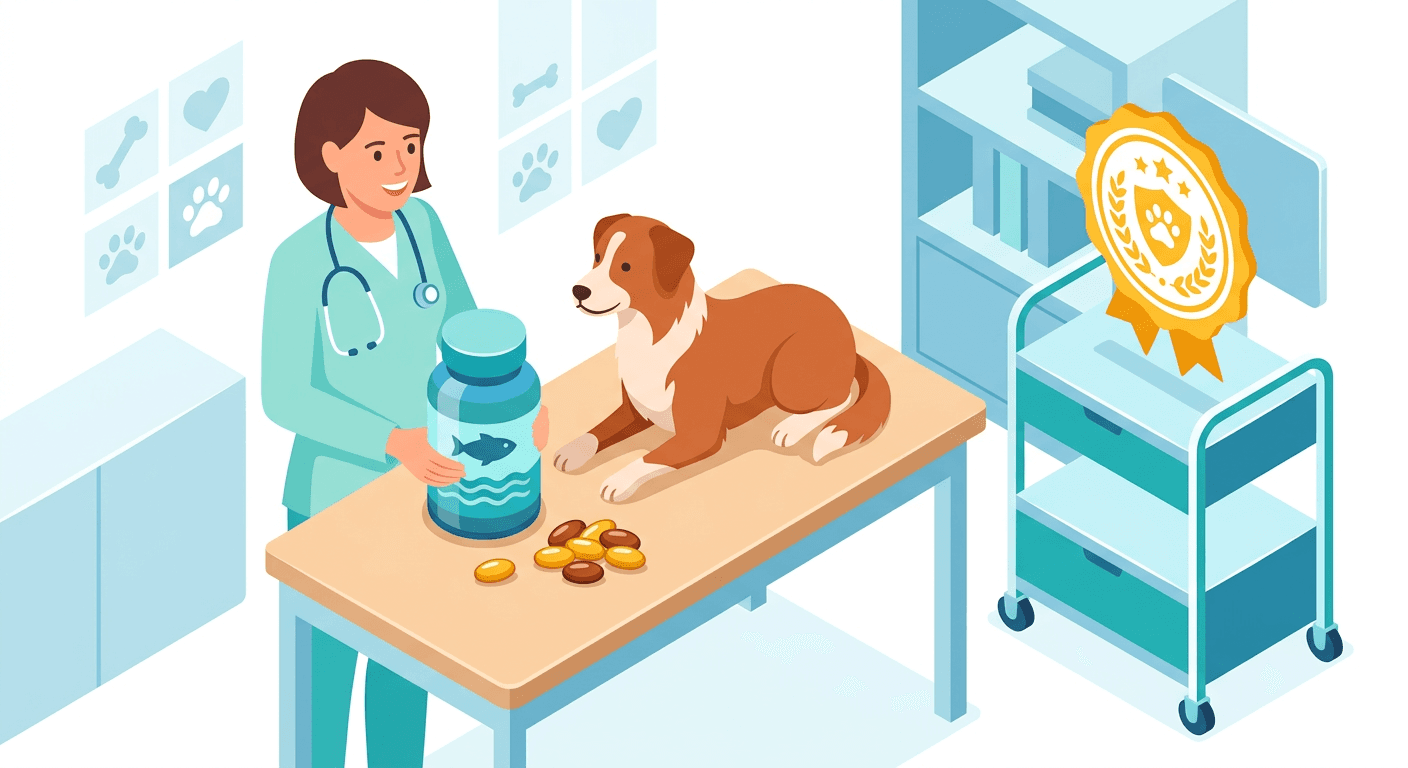
One of the most frustrating aspects of the pet supplement industry is that it is largely unregulated compared to pharmaceuticals. This means that what is on the label isn't always what is in the bottle. As a vet, I always tell my clients to look for the NASC (National Animal Supplement Council) seal. This yellow seal indicates that the company has passed independent audits and adheres to strict quality control standards. Without this, you are essentially "buying on faith," which is not a risk I like to take with my patients.
Another critical factor is bioavailability—the portion of the supplement that actually makes it into the bloodstream and reaches the joints. For example, many low-quality supplements use glucosamine hydrochloride because it is cheaper to manufacture, but some studies suggest that glucosamine sulfate may be absorbed more efficiently by the canine digestive tract. Similarly, the source of your Omega-3s matters; "fish meal" in a kibble is not the same as a concentrated, purified oil.
I also frequently discuss the "dosage gap." Many over-the-counter treats claim to "support joint health" but only contain a "dusting" of active ingredients. To achieve a therapeutic effect in a 70-pound dog, you often need 1,000mg to 1,500mg of glucosamine daily. If a treat only has 50mg, your dog would need to eat the entire bag to see a benefit—which would lead to obesity, the number one enemy of joint health. Always look for the specific milligrams (mg) per tablet rather than vague marketing claims.
Timing the Intervention: When to Start and What to Expect
A common mistake I see pet parents make is waiting until their dog is visibly limping to start a supplement regimen. By the time a dog shows a limp, significant structural damage has often already occurred. In the veterinary world, we are shifting toward a "proactive" model. For "at-risk" breeds—which include almost all large and giant breeds, as well as highly active sporting dogs—I recommend starting a high-quality joint supplement as early as one or two years of age.
Think of it as a "joint 401(k)." You are making small, daily investments in the structural integrity of their body so that they have a "wealth" of mobility to draw from when they are ten or twelve years old. For senior dogs who are already showing signs of slowing down, supplements can still be transformative, but the goals change. In these cases, we are looking for a "loading phase." Most supplements require four to six weeks of a double dose to saturate the tissues before you see a visible change in how the dog moves.
It is also important to manage expectations. Supplements are not "magic pills" that will fix a torn ligament or a severely dysplastic hip. They are support tools. If your dog has a sudden onset of lameness, a supplement is not the answer; a diagnostic X-ray and a physical exam by your vet are the first steps. However, as part of a long-term management plan, supplements often provide that "extra 20%" of comfort that allows a senior dog to jump back onto the sofa or chase a ball for a few extra minutes.

The Multi-Modal Approach: Supplements as Part of a Larger Strategy
While this guide focuses on supplements, I would be remiss if I didn't emphasize that a bottle of pills cannot outrun a poor lifestyle. The most effective "joint supplement" in the world is actually free: weight management. Every extra pound your dog carries puts exponential stress on their joints. In my clinical experience, a 5-pound weight loss in an overweight Labrador often does more for their mobility than any supplement on the market. We use the Body Condition Score (BCS) to ensure a dog has a visible waist and ribs that are easily felt; keeping your dog on the "lean" side of normal can add up to two years to their lifespan.
In addition to weight control, we must consider the "mechanics" of the dog's environment. If you have a senior dog, adding rugs to slippery hardwood floors can prevent "splay" injuries that strain aging ligaments. Using ramps for cars or high beds can take the "concussive force" off their front shoulders. We also recommend "low-impact" exercise. While a game of high-intensity Frisbee might be their favorite thing, it is incredibly hard on the joints. Switching to long, steady walks or swimming allows the dog to maintain muscle mass—which supports the joints—without the "wear and tear" of jumping and twisting.
Finally, don't overlook the power of newer, more advanced supplements like Undenatured Type II Collagen (UC-II) or Green Lipped Mussel (GLM). UC-II works through a process called "oral tolerance," essentially training the immune system to stop attacking its own joint cartilage. Green Lipped Mussel is a powerhouse of unique omega fatty acids and minerals that are not found in standard fish oils. When we combine these advanced ingredients with the "golden trio" of glucosamine, chondroitin, and MSM, we create a comprehensive shield for the canine joint.
A Future of Fluid Movement
Investing in your dog’s joint health is one of the most profound ways you can say "thank you" for their years of loyalty. By understanding the biological needs of their cartilage, choosing supplements with high bioavailability and the NASC seal, and maintaining a lean body weight, you are giving your companion the best possible chance at a pain-free life. Remember that mobility is more than just movement; it is the ability for your dog to greet you at the door, to explore the world through their nose, and to remain an active participant in your family’s daily adventures. Start early, choose wisely, and watch as your dog continues to move with the grace and joy they’ve had since they were a puppy.
Common Questions
🤔
Frequently Asked Questions
What are the core ingredients in vet-recommended canine joint supplements and what do they do?▼
Glucosamine acts as a building block for cartilage, supporting repair processes in the joint. Chondroitin helps cartilage retain water, maintaining elasticity and providing a defensive barrier against breakdown. MSM offers anti-inflammatory support and can reduce stiffness. Omega-3 fatty acids from fish or algae oils help dampen inflammatory pathways at the cellular level, potentially reducing the need for higher doses of other anti-inflammatories.
How do veterinarians decide when to add supplements versus relying on conventional medications?▼
Vets assess OA severity, the dog's activity level, and overall health to determine the best approach. For many dogs with early to moderate OA, supplements can form a foundational therapy that works alongside NSAIDs or other medications. If inflammation and pain are well-controlled, a veterinarian may adjust therapy to minimize drug exposure while maintaining comfort. Each plan is individualized based on the dog’s response and goals.
What should dog owners look for on supplement labels to ensure quality and efficacy?▼
Look for clear listing of exact amounts for each active ingredient and avoid vague proprietary blends. Prefer products with third-party testing or transparent quality standards from reputable brands. Check that the ingredients are in bioavailable forms and that the product has a reasonable shelf life and dosing guidance appropriate for your dog’s size. Be wary of additives or fillers that could upset sensitive stomachs.
Are there risks or interactions to be aware of when giving joint supplements to dogs?▼
Joint supplements are generally safe but can cause mild gastrointestinal upset in some dogs. They can interact with certain medications, such as NSAIDs or thyroid therapies, so it’s important to review all drugs with your veterinarian. Start with the recommended dose and monitor for changes in appetite, stool, or behavior. If any adverse signs appear, discontinue and contact your veterinarian promptly.