Blog4/24/2026
Preventive Dental Care Routines for Dogs: A Vet Guide
6 mins Read

The Briefing
Quick takeaways for the curious
Preventive dental care is essential for dogs not only to keep breath fresh but to protect heart, kidneys, and liver from the effects of chronic periodontal inflammation.
Dogs have high-pH saliva that accelerates plaque calcification into tartar, which can form deep gum pockets and allow bacteria to enter the bloodstream.
A low-stress brushing routine built on desensitization and positive reinforcement, practiced consistently with a soft brush and veterinary-approved enzymatic toothpaste, is more effective than forceful cleaning.
When brushing isn’t feasible every day, safe chews and VOHC-approved dental diets provide mechanical plaque control, but choose products carefully to avoid damaging teeth.
Avoid human toothpaste and xylitol, and look for evidence-backed dental products and routines as part of a comprehensive preventive wellness plan.
There is a persistent, outdated myth in the modern pet care community that canine dental health is merely a cosmetic concern, leading many owners to believe that a little "doggy breath" is an inevitable price to pay for pet companionship. As a veterinarian consultant, I frequently speak with worried pet parents who are shocked to learn that periodontal disease is not just about stinky kisses—it is a systemic inflammatory process that can compromise the heart, kidneys, and liver if left unchecked. We are finally moving toward a more sophisticated, preventative standard of pet wellness that views oral care not as an occasional chore, but as a vital therapeutic intervention, effectively closing the gap between a dog prone to chronic infections and one who enjoys a pain-free, vibrant, and long-lasting life.
The Silent Epidemic: Understanding Canine Periodontal Disease
To understand why proactive dental hygiene represents a paradigm shift for our canine companions, we must first demystify the biomechanics of the dog’s oral cavity. Unlike humans, dogs have a high-pH saliva environment that promotes the rapid calcification of plaque into tartar, or calculus. When this biofilm is left undisturbed, it migrates below the gum line, creating deep pockets where anaerobic bacteria thrive. This isn’t just local irritation; it is a gateway for pathogens to enter the bloodstream.
When we talk about dental health, we are really talking about the health of the entire organism. Chronic inflammation in the mouth serves as a constant immune system stressor. Over time, these bacteria can travel through the circulatory system, lodging in the delicate valves of the heart or the filtration units of the kidneys. By prioritizing oral hygiene, we aren't just freshening breath; we are actively reducing the systemic inflammatory load on our pet’s internal organs, potentially adding years of healthy, comfortable life to their journey.
Establishing a Low-Stress Brushing Routine
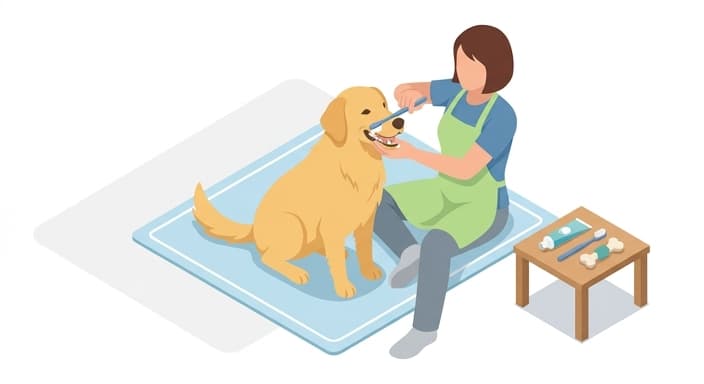
Many pet parents struggle with the idea of brushing their dog’s teeth, often because they try to force the process too quickly, leading to resistance from the dog and frustration for the human. The secret to success lies in desensitization and positive reinforcement. I always tell my clients to treat dental care like a game of "trust building" rather than a clinical procedure. Start by simply touching the muzzle or lifting the lips while offering high-value rewards, such as small pieces of boiled chicken or a lick mat covered in dog-safe peanut butter.
Once your dog is comfortable with their mouth being handled, introduce a veterinary-approved enzymatic toothpaste. Never use human toothpaste, as ingredients like xylitol are highly toxic to dogs. Apply a small amount to your finger and let them lick it off, allowing them to acclimate to the flavor. Gradually progress to using a soft-bristled canine toothbrush or a finger brush. Focus on the outer surfaces of the teeth—the side that touches the cheek—as this is where the majority of plaque accumulates. Remember, consistency is far more important than intensity; thirty seconds of relaxed brushing is infinitely better than five minutes of a stressful struggle.
Beyond the Brush: The Role of Chews and Diet
While daily brushing remains the gold standard for removing biofilm, we live in the real world where busy schedules sometimes get in the way. This is where mechanical stimulation through safe chews and specialized diets becomes a valuable secondary defense. Not all chew toys are created equal, however. I often see dogs with fractured molars due to overly aggressive chews like hard nylon bones, ice cubes, or real animal antlers. When choosing a chew, use the "knee-cap test"—if you wouldn't want to be hit in the kneecap with it, it is likely too hard for your dog’s teeth.
Look for the Veterinary Oral Health Council (VOHC) seal of approval on dental chews. These products have been scientifically proven to reduce the buildup of plaque and tartar through mechanical abrasion. Additionally, consider incorporating dental-specific diets. These kibbles are formulated with a larger, cross-linked fiber structure that resists crumbling, allowing the tooth to penetrate the piece before it breaks. This provides a "scrubbing" action that cleans the tooth surface while the dog eats. Think of these as a nutritional supplement to your manual brushing efforts rather than a total replacement.
Recognizing the Red Flags of Oral Pain
Dogs are masters of stoicism; they are evolutionarily hardwired to hide signs of weakness, which means they rarely stop eating just because their mouth hurts. As a result, many owners mistake oral pain for "finicky" behavior. It is crucial to become a student of your dog’s subtle cues. Pay attention to changes in their eating habits, such as dropping food while chewing, tilting their head to one side while eating, or a sudden preference for soft food over crunchy kibble.
Other indicators include excessive drooling, pawing at the mouth, or a noticeable increase in aggression or irritability when the face is touched. You might also notice a change in grooming habits, such as a dog that suddenly stops licking their paws or toys because the movement of the jaw causes discomfort. If you notice any of these signs, it is time to schedule a professional oral assessment. A veterinary exam can identify issues like slab fractures, resorptive lesions, or subgingival infections that are invisible to the naked eye but cause significant, ongoing pain for your companion.
The Necessity of Professional Veterinary Cleanings
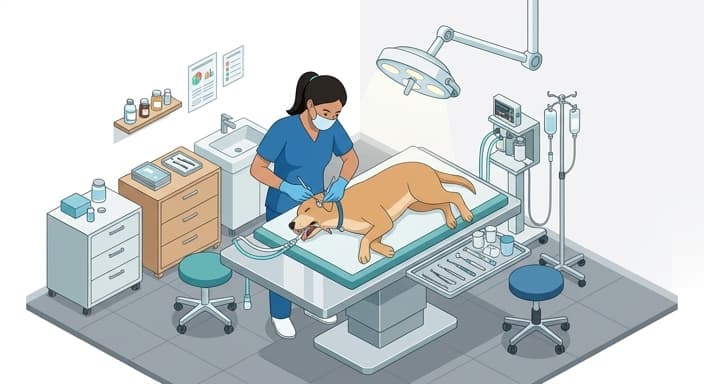
Even with the most dedicated home-care routine, professional veterinary dental cleanings—often referred to as COHAT (Comprehensive Oral Health Assessment and Treatment)—are a non-negotiable component of long-term wellness. Home care manages the visible plaque above the gum line, but professional cleanings are the only way to address the bacteria and calculus hiding deep within the periodontal pockets.
These procedures are performed under general anesthesia, which is essential for two reasons: it allows for a thorough probe of the gum line to measure for pocket depth and enables the veterinarian to take dental X-rays. Because the majority of a dog’s tooth structure lies beneath the gum line, X-rays are the only way to identify underlying issues like root abscesses, bone loss, or impacted teeth. Viewing a dental cleaning as a surgical necessity rather than a cosmetic "polishing" helps shift the perspective from cost to value. It is an investment in your dog’s comfort, ensuring that they can enjoy their golden years without the constant, draining presence of chronic oral pain.
Building a Sustainable Dental Wellness Habit
Consistency is the cornerstone of any successful dental routine. To make this habit stick, I recommend "habit stacking"—linking your dog’s dental care to an existing part of your daily rhythm. Perhaps you brush their teeth right after their evening walk or while you are waiting for their dinner to cool. By associating this activity with a calm, predictable time of day, you reduce the novelty and potential anxiety surrounding the process.
Ultimately, your commitment to your dog’s oral health is one of the most profound acts of love you can provide. By demystifying the process and choosing evidence-based practices, you are doing more than just cleaning teeth; you are protecting your dog’s heart, kidneys, and overall vitality. Every gentle swipe of the toothbrush is a deposit into a long-term wellness account, ensuring that your companion remains happy, healthy, and ready to share many more years of smiles by your side.
Common Questions
🤔
Frequently Asked Questions
Why is canine dental health connected to overall health?▼
Chronic mouth inflammation can stress the immune system and allow bacteria to travel through the bloodstream to heart valves and kidneys. Periodontal disease is not just a bad breath issue; it is a systemic inflammatory process. Early, proactive dental care reduces systemic inflammatory load and can support longer, healthier lives for dogs.
How can I start a low-stress tooth brushing routine with my dog?▼
Begin with desensitization by gently touching the muzzle and offering high value rewards to build trust. Introduce a veterinary enzymatic toothpaste (not human toothpaste) and allow your dog to lick it first, then progress to a soft brush. Practice for short, calm sessions, aiming for about 30 seconds of brushing on the outer tooth surfaces, and be consistent rather than forceful.
What should I do when brushing is not feasible every day?▼
Safe chews and VOHC approved dental diets can provide additional plaque control when brushing is limited. Choose products that are appropriate for your dog's size and chewing style, and avoid very hard items that could fracture teeth. Remember that these are supplementary to brushing, not a replacement for daily oral care.
What should I look for when selecting dental chews or treats for my dog?▼
Look for the VOHC seal of acceptance, which indicates the product meets evidence-based standards for reducing plaque. Avoid overly hard chews that can fracture teeth, and use the knee-cap test as a practical guide to assess chew hardness. Always supervise your dog while chomping treats and align choices with your veterinarian guidance.