Blog4/27/2026
At-Home Dental Care Tips for Dogs: Simple Daily Habits
6 mins Read
The Briefing
Quick takeaways for the curious
Proactive at-home dental care is essential not just for fresh breath but to prevent systemic inflammation that can affect the heart, kidneys, and liver.
Daily dental care is a vital preventive intervention that can close the gap between a dog prone to painful periodontal disease and a long, vibrant life.
Canine oral biology means plaque forms quickly and tartar hardens within 24 to 48 hours, leading to gingivitis and periodontitis if not removed.
Desensitization is recommended to build compliance, starting with muzzle handling and rewards before attempting brushing.
Alternatives to brushing, such as VOHC approved chews and textured toys, can support mechanical cleaning when brushing is not feasible, while avoiding hard objects that can cause tooth fractures.
There is a persistent, outdated myth in the modern pet care community that a dog’s oral health is merely a matter of "bad breath" or cosmetic aesthetics, leading many owners to believe that dental disease is an inevitable consequence of aging. As a veterinarian consultant, I frequently speak with well-meaning pet parents who are surprised to learn that by the time a dog exhibits clinical signs of oral pain—such as difficulty chewing, excessive drooling, or a reluctance to play with toys—they are often already suffering from systemic inflammation that can compromise their heart, kidneys, and liver. We are finally moving toward a more sophisticated, holistic standard of pet wellness that views daily preventive dental care not as a burdensome chore, but as a vital therapeutic intervention, effectively closing the gap between a dog prone to chronic, painful periodontal disease and one who enjoys a pain-free, vibrant, and long-lasting life.
The Silent Epidemic: Understanding the Mechanics of Canine Periodontal Disease
To understand why proactive dental care represents a paradigm shift for our canine companions, we must first demystify the biomechanics of the canine oral cavity. Unlike humans, whose teeth are designed for grinding plant matter, dogs are mesocarnivores with teeth shaped for tearing and shearing. Because their mouths are designed for gulping rather than the prolonged, abrasive chewing that naturally cleans tooth surfaces, plaque begins to accumulate almost immediately after a meal.
When this sticky, bacteria-laden film is not mechanically removed, it reacts with the minerals in the dog's saliva to harden into tartar (calculus) within 24 to 48 hours. Once tartar forms, it creates a rough, porous surface that acts as a magnet for further bacteria. This leads to gingivitis, where the gums become inflamed and bleed, eventually progressing to periodontitis—a state where the attachment fibers holding the tooth in the jaw are destroyed. At this stage, the bacteria do not just stay in the mouth; they enter the bloodstream through the damaged gum tissue, potentially seeding infections in distant, vital organs.
Building a "Dental Comfort" Routine: The Foundation of Compliance
The most common barrier to effective at-home dental care is the assumption that you must force a toothbrush into your dog's mouth on day one. As a veterinarian, I advise a "desensitization" approach that prioritizes your dog’s emotional comfort over immediate cleaning results. If your dog views the toothbrush as an instrument of stress, the routine will fail.
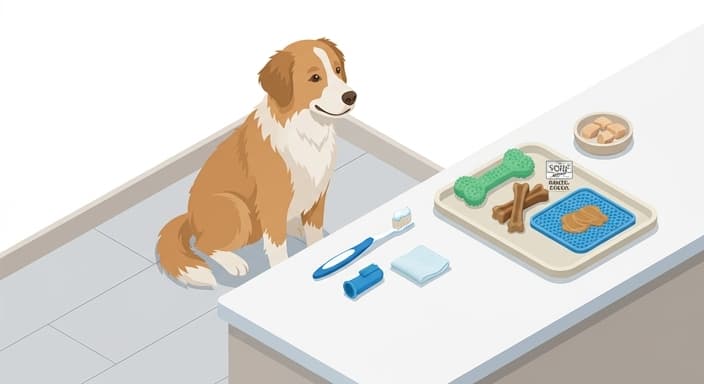
Start by simply handling your dog’s muzzle and lifting their lips while offering high-value rewards, like small bits of boiled chicken or a lick mat with dog-safe peanut butter. Once they are comfortable with their mouth being touched, introduce a finger brush or a piece of soft gauze dipped in pet-safe toothpaste. Never use human toothpaste, as ingredients like xylitol—a common sugar substitute—are profoundly toxic to dogs. By keeping sessions short (under 60 seconds) and pairing them with a positive activity, such as a walk or a game of fetch, you transform dental care from a clinical chore into a bonding experience.

Mechanical Cleansing: Beyond the Toothbrush
While daily brushing is the gold standard, I recognize that for many busy families—or dogs with particularly sensitive temperaments—it is not always feasible. Fortunately, the "mechanical" aspect of dental health can be supported through smart environmental enrichment. The key is choosing items that provide enough resistance to dislodge plaque without causing "slab fractures," which are common when dogs chew on excessively hard objects like cow hooves, deer antlers, or ice cubes.
Look for Veterinary Oral Health Council (VOHC) approved chews and toys. These products have undergone rigorous testing to prove they actually reduce plaque and tartar accumulation. Textured rubber toys, such as those with deep ridges or "nubs," encourage your dog to use their molars, which are the most susceptible to decay. Additionally, incorporating dental-specific diets or fiber-rich treats can help. These items are designed to be slightly larger and more fibrous, forcing the dog to chew longer, which produces more saliva—the mouth’s natural defense mechanism against acidic bacteria.
Recognizing the Red Flags: When Home Care Isn't Enough
Even the most diligent at-home routine cannot reach every nook and cranny of a canine mouth. As a consultant, I emphasize that home care is a preventive measure, not a cure for existing pathology. It is essential to become an "oral detective" for your pet. Periodontal disease is often hidden beneath the gumline, meaning a tooth can look white and clean on the surface while the root is being destroyed by an abscess.
Key indicators that your pet needs a professional veterinary dental cleaning include:
- Asymmetrical facial swelling: This can indicate a root abscess, particularly under the eye.
- Persistent halitosis: While "dog breath" is common, foul, rotting odors are a sign of necrotic tissue.
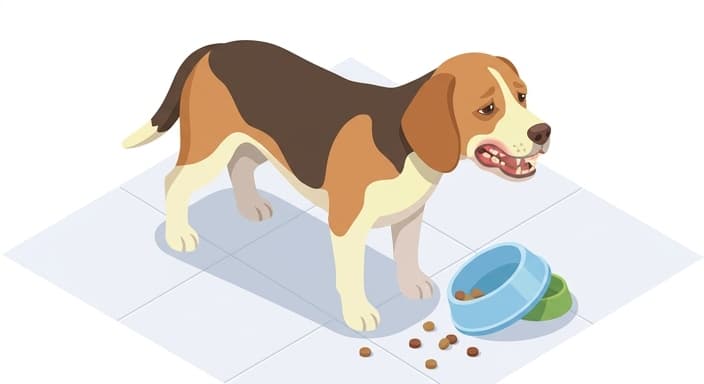
- Drop-feeding: If your dog picks up a piece of kibble and immediately drops it, they are likely experiencing pain upon biting down.
- Red or receding gums: Healthy gums should be a salmon-pink color; bright red or purple gums indicate an active inflammatory response.
The Role of Water Additives and Oral Sprays
For the pet parent who struggles with physical brushing, oral hygiene sprays and water additives offer a supplemental layer of protection. These products typically work by altering the pH of the oral cavity or using enzymatic properties to break down the biofilm that plaque bacteria use to adhere to enamel.
However, a word of caution: these should never replace mechanical cleaning. Think of these as the "mouthwash" of the canine world—they can help inhibit the growth of odor-causing bacteria and slow the rate of tartar buildup, but they cannot physically scrape away the hardened calculus that has already formed. Use these as a bridge to support your dog’s health between professional dental exams, ensuring you always check with your veterinarian to ensure the specific product is safe for your dog’s individual medical history, especially if they have pre-existing kidney or endocrine conditions.
Cultivating a Lifetime of Oral Wellness
Establishing an at-home dental care routine is an investment that pays dividends in your dog’s overall longevity. By shifting your perspective from "fixing teeth" to "maintaining a healthy system," you are actively preventing the systemic inflammation that leads to premature organ failure. Whether it is through daily brushing, the strategic use of VOHC-approved chews, or simply performing a weekly visual inspection, your consistency is the greatest gift you can give your companion. Remember, a healthy mouth is the gateway to a healthy body; by dedicating just a few minutes each day to your dog’s dental hygiene, you are securing years of pain-free, joyful, and vibrant life ahead.
Common Questions
🤔
Frequently Asked Questions
Why is at-home dental care for dogs more than just fresh breath?▼
Dental care matters because periodontal disease can trigger systemic inflammation that affects the heart, kidneys, and liver. Early, daily care reduces plaque and tartar buildup, which in turn lowers the risk of painful gum disease. Consistent routines also improve your dog's comfort and overall quality of life.
How should I start a desensitization-based dental routine with my dog?▼
Begin by gently handling your dog’s muzzle and lifting their lips while offering high value rewards. Once they tolerate mouth contact, introduce a finger brush or soft gauze with dog safe toothpaste. Keep sessions under 60 seconds and pair brushing with a positive activity like a walk or game to make it a bonding experience.
What are effective alternatives to brushing if my dog resists?▼
Look for VOHC approved chews and textured toys designed to reduce plaque and tartar. Choose products appropriate for your dog’s size and chewing style, and avoid very hard objects that can cause slab fractures. Use these aids as part of a broader dental routine when brushing isn’t feasible.
What safety considerations should I keep in mind for canine dental care?▼
Always use dog safe toothpaste and never human toothpaste because ingredients like xylitol are toxic to dogs. Avoid overly hard chews that risk tooth fractures, and supervise all dental tools and treats to prevent choking. If dental problems persist, consult your veterinarian for a personalized plan.