Blog4/27/2026
Preventive Dental Care Routines for Dogs: Essential Tips
6 mins Read
The Briefing
Quick takeaways for the curious
Canine dental disease is linked to systemic inflammation that can affect the heart, kidneys, and liver if left untreated.
Preventive dental care should be considered a vital part of daily wellness, not just a cosmetic feature.
Plaque can mineralize into tartar within 24 to 48 hours, triggering chronic gingival inflammation and progression to periodontitis.
Brushing with a pet-safe toothpaste and a soft brush is the most effective home routine, with daily sessions preferred.
Consistency and positive reinforcement—gradually acclimating the dog to mouth handling—make brushing easier and more effective than sporadic, lengthy efforts.
There is a persistent, outdated myth in the modern pet care community that a dog’s oral health is merely a matter of "bad breath" or cosmetic aesthetics, leading many owners to believe that dental disease is an inevitable consequence of aging. As a veterinarian consultant, I frequently speak with well-meaning pet parents who are surprised to learn that by the time a dog exhibits clinical signs of oral pain—such as difficulty chewing, excessive drooling, or a reluctance to play with toys—they are often already suffering from systemic inflammation that can compromise their heart, kidneys, and liver. We are finally moving toward a more sophisticated, holistic standard of pet wellness that views daily preventive dental care not as a burdensome chore, but as a vital therapeutic intervention, effectively closing the gap between a dog prone to chronic, painful periodontal disease and one who enjoys a pain-free, vibrant, and long-lasting life.
The Silent Epidemic: Understanding the Mechanics of Canine Periodontal Disease
To understand why proactive dental care represents a paradigm shift for our canine companions, we must first demystify the biomechanics of the canine oral cavity. Unlike humans, who have a diverse diet that requires extensive grinding, dogs are mesocarnivores with teeth specifically shaped for tearing and shearing. Their mouths are designed for gulping, not for the prolonged chewing that would naturally abrade plaque from tooth surfaces. Because their mouths lack the diverse enzymes found in human saliva that help break down carbohydrates, the oral cavity of a dog provides a perfect, warm, and nutrient-rich environment for bacteria to flourish.
When plaque—a sticky film of bacteria and food particles—is not removed, it begins to mineralize into tartar (calculus) within as little as 24 to 48 hours. Once tartar forms, it creates a rough, porous surface that acts as a magnet for even more bacteria. This is where the "silent" danger begins: the bacteria trigger a chronic inflammatory response in the gingival tissue. If left untreated, this inflammation progresses to periodontitis, where the tissues supporting the tooth—the gums, the periodontal ligament, and the alveolar bone—begin to break down. This isn't just a mouth problem; the blood-rich environment of the gums allows these oral bacteria to enter the bloodstream, potentially seeding infections in distant organs.
Building the Routine: The Gold Standard of Home Dental Hygiene
The most effective tool in any veterinarian’s arsenal is the toothbrush. While it may seem daunting to introduce a toothbrush to an adult dog, it is a skill that can be mastered with patience, positive reinforcement, and the right approach. The goal is to make the experience a "high-value" event rather than a struggle.
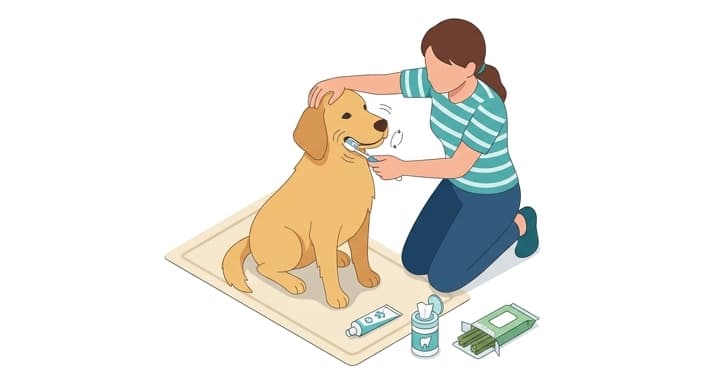
Begin by getting your dog accustomed to having their mouth handled. Start by gently touching the muzzle and lifting the lips for a few seconds, immediately rewarding the behavior with a high-value treat. Once your dog is comfortable, introduce a pet-specific toothpaste—never use human toothpaste, as ingredients like xylitol are highly toxic to dogs. Pet-safe pastes are often flavored like poultry or peanut butter to encourage acceptance.
When you are ready to brush, focus on the outside surfaces of the teeth, where plaque buildup is most significant. You do not need to pry the mouth open; simply lift the lip and use a soft-bristled brush or a finger brush to work in circular motions along the gum line. Consistency is far more important than intensity; aiming for 30 seconds of brushing every day is significantly more effective than a frantic, five-minute deep clean once a week.
The Role of Nutrition and Chews as Adjunctive Support
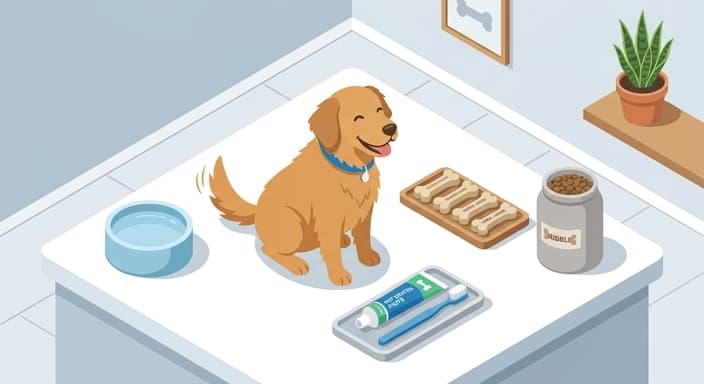
While daily brushing is the gold standard, we must acknowledge the practical realities of pet ownership. For many, a "perfect" routine is a challenge. This is where high-quality dental chews and specialized diets come into play as vital secondary supports. However, not all chews are created equal. As a veterinarian, I urge pet parents to look for the Veterinary Oral Health Council (VOHC) seal of approval. This seal ensures that the product has undergone rigorous, independent clinical testing to prove it actually reduces the accumulation of plaque and tartar.
Avoid hard, dense items like cow hooves, antlers, or extremely dense nylon bones, which can lead to "slab fractures"—a painful condition where the tip of a carnassial tooth shears off, often exposing the sensitive pulp. Instead, opt for chews that provide a degree of "give" or those designed with enzymes that help break down the bacterial matrix. Additionally, consider dental-specific diets. These are formulated with larger kibble sizes or specific fiber structures that prevent the kibble from shattering immediately upon impact, instead forcing the tooth to sink into the morsel, which creates a scrubbing action against the enamel.
Environmental Enrichment: Teeth-Friendly Playtime
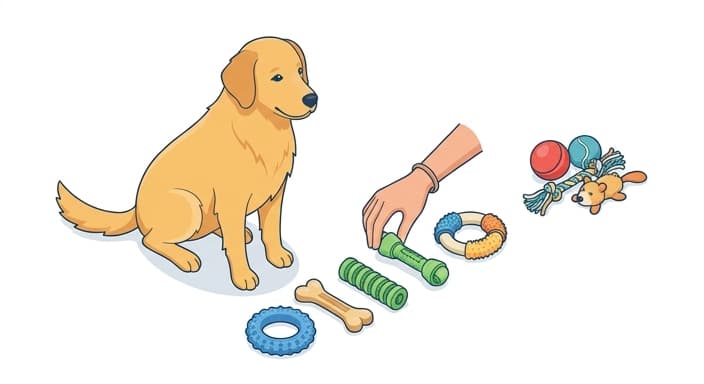
We can also leverage a dog’s natural desire to chew by selecting toys that promote dental health. The best toys are those that offer a "mechanical cleaning" effect while being durable enough to withstand chewing but soft enough to prevent dental trauma. Rope toys, for example, can act like dental floss as your dog pulls against them, provided they are supervised to ensure the fibers are not being ingested.
Rubber toys with ridges or "nubs" are also excellent choices. When you pair these with a smear of pet-safe enzymatic toothpaste, you turn a play session into a cleaning session. The mechanical friction of the nubs against the teeth helps dislodge debris, while the enzymes in the paste provide a chemical advantage against plaque-forming bacteria. It is important to rotate these toys regularly; a dog that becomes bored with a toy will stop chewing it, rendering its dental benefits useless. Keep the "dental toy" separate from other play toys so your dog associates that specific item with a rewarding, taste-filled experience.
When to See the Specialist: Recognizing the Limits of Home Care
Even with the most dedicated home care routine, some dogs are genetically predisposed to dental disease. Factors such as breed (especially small-breed dogs with crowded teeth), age, and the individual pH balance of your dog’s saliva mean that professional veterinary cleanings are an essential component of total health. Home care is designed to slow the progression of plaque, but it cannot remove established, mineralized tartar that has already formed below the gum line.
If you notice persistent halitosis (bad breath), bleeding gums, or a reluctance to eat, it is time for a professional evaluation. Modern veterinary dentistry has evolved significantly; today, we use digital dental X-rays to visualize what is happening beneath the surface of the gum line. Often, a tooth that looks perfectly healthy from the outside may have a resorptive lesion or an abscess at the root that is causing the dog immense pain. By integrating a professional cleaning schedule—which requires anesthesia to safely and thoroughly clean below the gum line—with your consistent home routine, you are effectively creating a "defensive wall" that protects your dog’s overall systemic health.
Cultivating a Lifetime of Dental Wellness
Preventive dental care is a marathon, not a sprint. It is a commitment to observing your pet’s behavior, understanding their anatomy, and taking small, manageable steps every single day to ensure their comfort. By shifting our perspective from reacting to dental emergencies to proactively managing oral hygiene, we do more than just save our pets from the pain of tooth decay; we extend their quality of life and ensure that their golden years are spent comfortable, happy, and free from the systemic burdens of chronic inflammation. Remember, a healthy mouth is the gateway to a healthy body, and your dedication to your dog’s dental routine is one of the most profound acts of love you can provide.
Common Questions
🤔
Frequently Asked Questions
How often should I brush my dog's teeth and how do I start?▼
Daily brushing is ideal for preventing dental disease, but any consistent brushing is better than none. Begin by acclimating your dog to having their mouth handled, using muzzle touches and high-value treats. Introduce a pet-specific toothpaste (never human toothpaste) and a soft-bristled brush, and brush the outer surfaces along the gum line in gentle circles. Aim for about 30 seconds per session and keep sessions positive and stress-free.
Why is canine dental care more than just 'bad breath'?▼
Bad breath is often a sign of underlying dental disease that can cause systemic inflammation. Without timely care, plaque and tartar can lead to periodontitis and compromised organ health. Preventive care reduces pain and lowers the risk of heart, kidney, and liver complications by limiting oral bacteria entering the bloodstream.
What kind of toothpaste should I use for dogs?▼
Use a toothpaste formulated for dogs rather than human toothpaste. Human toothpaste can contain xylitol, which is toxic to dogs. Pet-safe pastes are often poultry- or peanut-butter flavored to encourage acceptance. Always follow product directions and avoid swallowing large amounts.
Can chews and diets replace brushing, and how should I use them?▼
Chews and specialized diets can support dental health but should not replace brushing. They provide adjunctive benefits by reducing plaque and promoting chewing action, but daily brushing remains the gold standard. Incorporate high-quality dental chews and validated dental diets as complements to brushing, not substitutes.