Blog4/25/2026
Safe At-Home Dental Care for Cats: Holistic Tips and Prevention
6 mins Read
The Briefing
Quick takeaways for the curious
There is a persistent myth that feline dental health is optional, leading many owners to treat bad breath as normal rather than a sign of potential disease.
By the time a cat shows visible signs of oral pain, they may have advanced periodontal disease that has developed for months or even years.
At-home dental care is a vital therapeutic intervention that helps prevent systemic inflammation and protects major organ systems from these silent threats.
Prevention hinges on a cooperative-care approach that desensitizes pets and reduces stress, rather than forcing brushing from day one.
When you progress to brushing, use ultra-soft feline-specific tools and enzymatic toothpaste formulated for pets, and avoid human toothpaste due to toxic ingredients such as xylitol and fluoride.
There is a persistent, outdated myth in the modern pet care community that feline dental health is an optional luxury, leading many owners to believe that a cat’s "fishy" breath is simply a normal, albeit unpleasant, quirk of their species. As a veterinarian consultant, I frequently speak with well-meaning pet parents who are surprised to learn that by the time a cat shows visible signs of oral pain—such as dropping food or pawing at their mouth—they have likely been suffering from advanced periodontal disease for months or even years. We are finally moving toward a more sophisticated, holistic standard of pet wellness that views at-home dental care not as a challenging chore, but as a vital therapeutic intervention, effectively closing the gap between a cat prone to chronic systemic inflammation and one who enjoys a pain-free, vibrant, and long-lasting life.
The Anatomy of the Feline Mouth: Why Prevention is Paramount
To understand why at-home dental care represents a paradigm shift for our feline companions, we must first demystify the biomechanics of the cat’s oral cavity. Cats are obligate carnivores, evolved to shear meat with sharp, blade-like teeth rather than grind fibrous plant material. Because their teeth are designed for slicing, they lack the broad, flat surfaces that allow for the self-cleaning friction seen in some other species. Furthermore, cats have a unique oral microbiome and a high-pH saliva environment that promotes the rapid calcification of plaque into tartar, or calculus, often within just 24 to 48 hours.
When this sticky, bacteria-laden biofilm is left undisturbed, it migrates below the gum line, creating deep, anaerobic pockets where pathogens thrive. This process is not merely local irritation; it is a gateway for systemic disease. As the gums become inflamed (gingivitis) and eventually recede (periodontitis), the bacteria can enter the bloodstream, potentially impacting the health of the heart, kidneys, and liver. By establishing a consistent at-home routine, you are doing far more than freshening your cat’s breath—you are proactively protecting their major organ systems from a silent, inflammatory assault.
Building a Foundation: The "Desensitization" Strategy
The most significant barrier to feline dental care is the assumption that you must dive straight into aggressive tooth brushing on day one. For most cats, the mouth is a high-value, protected zone, and sudden intrusion will inevitably trigger a defensive reaction. Success in feline oral hygiene is built on the foundation of "cooperative care," a strategy that prioritizes the cat’s emotional comfort and voluntary participation over forced compliance.
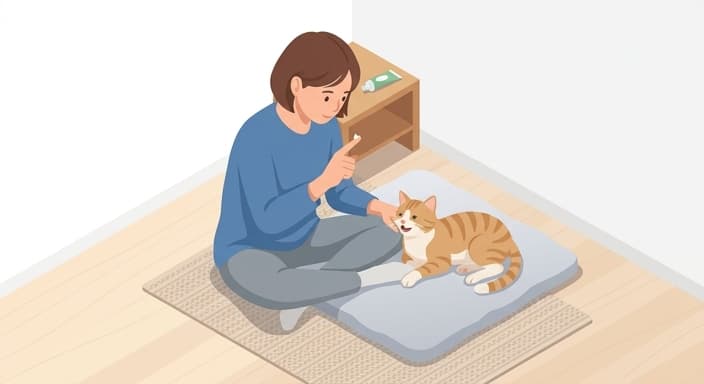
Start by simply handling your cat’s muzzle and lips during quiet, calm moments, pairing this touch with a high-value reward like a lickable treat or a small piece of freeze-dried protein. Do not attempt to use a toothbrush or paste during this phase. Your goal is to normalize the sensation of your fingers near their gums. Once your cat is relaxed with this interaction, you can introduce a tiny amount of enzymatic toothpaste—specifically formulated for pets and flavored to their liking—on your finger. Never use human toothpaste, as ingredients like xylitol or fluoride can be toxic to cats. By associating the taste and the touch with positive reinforcement, you turn a potential stressor into a routine bonding experience.
Tools of the Trade: Choosing the Right Equipment
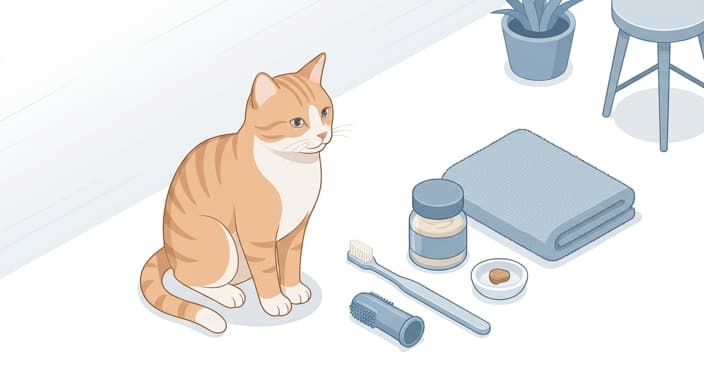
Not all dental products are created equal, and selecting the right tools can make the difference between a successful routine and a daily struggle. When you are ready to transition from finger-brushing to actual cleaning, look for a ultra-soft, feline-specific toothbrush or a silicone finger brush. The bristles should be incredibly gentle, as a cat’s gum tissue is far more delicate than human tissue; if you use a brush that is too stiff, you risk causing micro-abrasions that can actually harbor more bacteria.
Beyond the brush, consider the utility of water additives and dental chews as complementary tools. While they cannot replace the mechanical action of brushing, Veterinary Oral Health Council (VOHC) approved chews and additives can help disrupt the biofilm in areas you might miss. However, always verify that these products carry the VOHC seal, which signifies that they have been clinically proven to reduce plaque or tartar accumulation. Remember, these are "force multipliers" for your hygiene routine, not a replacement for the mechanical removal of debris.
Managing the "Hard to Reach" Areas: Techniques for Success
When performing at-home care, you do not need to pry your cat’s mouth wide open to achieve results. Most of the damaging plaque accumulation occurs on the buccal (outer) surfaces of the upper premolars and molars. Because the tongue naturally cleans the inner surfaces of the teeth, focusing your efforts on these outer surfaces is the most efficient and effective use of your time.
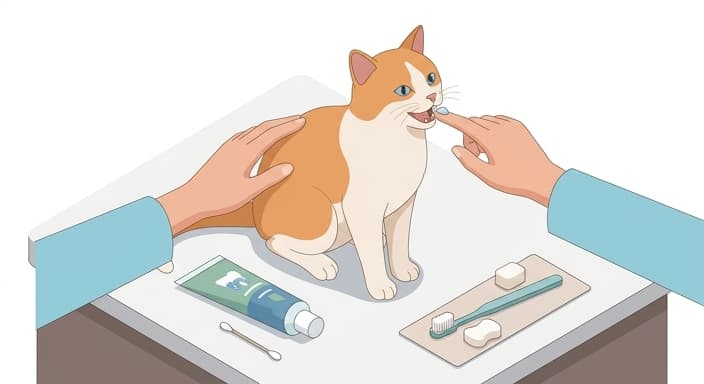
Aim for a quick, 30-second session. Using a circular motion, gently sweep along the gum line, ensuring you are making contact with both the tooth and the edge of the gingiva. If your cat tolerates only five seconds of brushing, that is five seconds of progress. The key is consistency rather than intensity. If you find that a traditional brush is too stressful, don't despair—there are enzymatic dental gels available that can be applied to the gums with a finger or even a cotton swab. These gels contain enzymes that break down the protein matrix of plaque, providing a chemical defense that works even when mechanical brushing is a work in progress.
Recognizing the Red Flags: When to See Your Veterinarian
Despite your best efforts at home, some dental conditions are beyond the reach of a toothbrush. At-home care is a preventative strategy, but it cannot reverse existing periodontitis or treat painful conditions like Feline Odontoclastic Resorptive Lesions (FORLs). FORLs are a common and agonizing condition where the body begins to break down and absorb the tooth structure itself, often starting below the gum line where you cannot see it.
Monitor your cat for subtle changes that indicate clinical dental disease: a sudden preference for soft food, dropping food while eating, increased drooling, or an inexplicable change in temperament (such as increased irritability). If you notice red, swollen gums, bleeding, or persistent bad breath that does not improve with daily care, it is time to schedule a professional oral assessment. Veterinarians use specialized equipment and intraoral X-rays to identify disease hidden beneath the gum line, ensuring that your cat remains pain-free. Think of your at-home routine as the "daily maintenance" and your veterinarian as the "expert service" provider—together, they form an impenetrable shield for your cat’s health.
Cultivating a Lifetime of Oral Wellness
Establishing a dental routine for your cat is an investment in their longevity and quality of life. By choosing a path of patience, desensitization, and consistent, low-stress daily maintenance, you are transforming a high-risk area of your cat’s health into a manageable, routine aspect of their care. As you become more comfortable with the process, you will find that your cat does as well, turning what was once a source of anxiety into a quiet, rewarding moment of connection. Remember that the goal is progress, not perfection; every stroke of the brush is a step toward preventing the pain of dental disease and ensuring your feline companion can continue to thrive for years to come.
Common Questions
🤔
Frequently Asked Questions
What is cooperative care and why is it important for my cat's dental health?▼
Cooperative care is a strategy that centers on the cat's emotional comfort and voluntary participation rather than forced handling. Begin by calmly handling your cat's muzzle and lips during quiet moments, pairing the touch with a high-value reward. Avoid using a toothbrush or toothpaste during this initial desensitization phase. As your cat becomes comfortable, you can progress toward gentle brushing with a tiny amount of enzymatic toothpaste on your finger.
How should I begin an at-home dental routine for my cat?▼
Start with desensitization to touch near the gums and practice during calm moments, using rewards to reinforce positive associations. Do not attempt to use a toothbrush or toothpaste in this early phase. Gradually introduce a tiny amount of pet enzymatic toothpaste on your finger, then move toward a feline-friendly toothbrush as your cat relaxes.
What tools should I use and what should I avoid?▼
Use an ultra-soft feline-specific toothbrush or a silicone finger brush to protect delicate gum tissue. Avoid brushes that are too stiff, which can cause micro-abrasions and harbor bacteria. Always use toothpaste formulated for pets and never use human toothpaste due to toxic ingredients like xylitol and fluoride.
Why is at-home dental care important for overall health?▼
Feline dental disease can allow bacteria to enter the bloodstream and affect the heart, kidneys, and liver. A consistent at-home routine helps prevent this inflammatory cascade and supports a longer, more comfortable life. At-home care should complement regular veterinary exams and professional cleanings as part of a comprehensive wellness plan.