Blog4/25/2026
Benefits of Enrichment Toys for Dogs: Boost Cognitive Health
6 mins Read
The Briefing
Quick takeaways for the curious
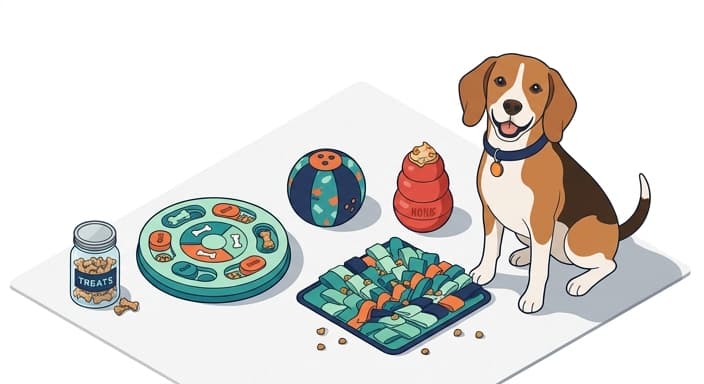
Enrichment toys are essential for a dog s cognitive health and are part of a holistic pet wellness approach, not just a luxury or boredom buster.
In the wild dogs use foraging and problem solving; modern homes can cause behavioral atrophy if cognitive needs go unmet.
Interacting with puzzle toys stimulates dopamine release and supports neurological health, slow age-related decline, and confidence in shy dogs.
A structured enrichment routine can replace destructive behaviors with constructive outlets and reduce anxiety, creating a more peaceful home.
Licking and sniffing are powerful self soothing behaviors that calm the nervous system, with licking triggering endorphin release to help relax.
There is a persistent, outdated myth in the modern pet care community that enrichment toys are merely "boredom busters" or expensive ways to keep a dog occupied while their owners are busy. As a veterinarian consultant, I frequently speak with well-meaning pet parents who view puzzle toys as a luxury rather than a necessity, failing to realize that a dog’s cognitive health is just as essential as their physical fitness. We are finally moving toward a more sophisticated, holistic standard of pet wellness that views canine enrichment not as a distraction, but as a vital therapeutic intervention, effectively closing the gap between a dog prone to destructive, stress-induced behaviors and one who enjoys a cognitively challenged, emotionally balanced, and fulfilled life.
The Science of Canine Cognition: Why Enrichment Matters
To understand why enrichment represents a paradigm shift for our canine companions, we must first demystify the biomechanics of the dog’s brain. In the wild, dogs spend a significant portion of their waking hours foraging, scavenging, and solving problems to survive. In our modern homes, we have effectively "unemployed" our dogs by providing food in a bowl, removing the need for them to use their natural hunting and problem-solving skills. This leads to a phenomenon known as "behavioral atrophy," where the lack of cognitive exertion manifests as restlessness, anxiety, and unwanted habits like excessive barking or destructive chewing.
Enrichment toys act as a bridge between a dog's ancestral instincts and their domestic environment. When a dog interacts with a puzzle toy, they are engaging in "foraging behavior," which stimulates the release of dopamine—the brain’s reward chemical. This is not just "fun"; it is a physiological requirement for a healthy nervous system. By providing an outlet for these innate biological drives, we aren't just entertaining our pets; we are providing the mental stimulation necessary to maintain neurological health, slow age-related cognitive decline, and build confidence in shy or under-stimulated dogs.
Managing Destructive Behaviors Through Cognitive Outlets
One of the most common reasons pet parents reach out to me is to address "naughty" behaviors. From shredded couch cushions to dug-up flowerbeds, many of these actions are simply symptoms of an under-stimulated brain. When a dog has excess energy and nowhere to direct their focus, they will create their own "enrichment" in ways that don't align with our household standards. It is crucial to shift our perspective: your dog is not acting out of spite; they are acting out of a biological necessity to engage with their environment.
By implementing a structured enrichment routine, we can proactively manage these behaviors. For example, a dog that tends to chew furniture may actually be expressing a need for oral stimulation and physical work. Replacing that forbidden outlet with a durable, stuffable rubber toy filled with a frozen, species-appropriate mixture redirects that energy toward a constructive activity. This shift creates a positive feedback loop: the dog feels satisfied, their anxiety levels drop, and the household environment remains peaceful. Enrichment toys serve as a structured, safe environment for your dog to explore, sniff, lick, and solve problems, effectively "tiring out" their brain in a way that physical exercise alone cannot achieve.
The Therapeutic Power of Licking and Sniffing
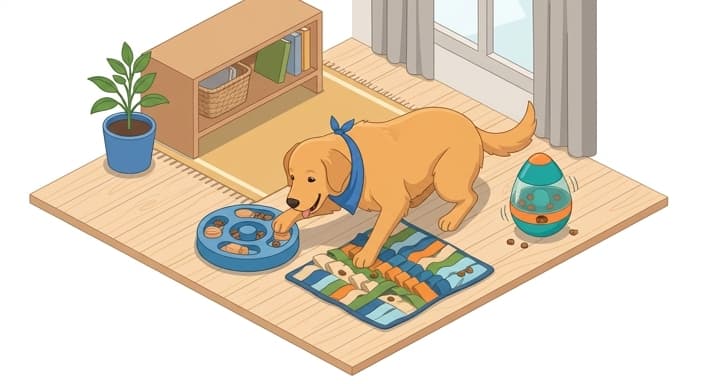
Not all enrichment is created equal, and understanding the specific mechanics of how dogs interact with their environment is key to success. Two of the most underrated, yet powerful, tools in our enrichment arsenal are licking and sniffing. Both behaviors are self-soothing and produce a calming effect on the canine nervous system. Licking, in particular, triggers the release of endorphins, which helps to lower a dog’s heart rate and induce a state of relaxation.
When you use enrichment toys that require licking—such as textured lick mats or stuffable feeders—you are essentially providing your dog with a natural form of stress relief. This is especially beneficial for dogs that suffer from separation anxiety or noise phobias. Similarly, scent-based enrichment, such as snuffle mats or hide-and-seek treat games, taps into the dog's most powerful sense. Because the olfactory bulb in a dog’s brain occupies a massive amount of space compared to ours, engaging their sense of smell provides an intense cognitive workout. Ten minutes of sniffing can be as mentally exhausting for a dog as a thirty-minute walk, making these tools an essential component for high-energy breeds or dogs with mobility limitations.
Choosing the Right Toys for Your Dog’s Personality
Not every toy is suitable for every dog, and selecting the right "difficulty level" is essential to prevent frustration. A dog that is new to enrichment should start with simple, easy-to-solve puzzles that provide an immediate reward. If the task is too difficult, the dog will quickly become discouraged and lose interest. Conversely, a highly intelligent or experienced "puzzle solver" will need complex, multi-step toys to stay engaged.
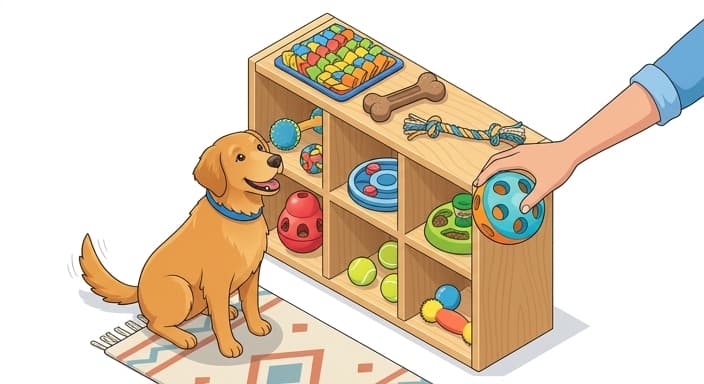
As a veterinarian, I always emphasize safety. Always supervise your dog when introducing a new toy, especially if they are a "power chewer." Look for toys made of non-toxic, durable materials that can withstand consistent interaction. I recommend rotating your dog's toys frequently to keep the novelty high—just like us, dogs can become bored if they interact with the same exact puzzle every single day. By curating a "toy library" and rotating them throughout the week, you ensure that the enrichment experience remains fresh, challenging, and mentally stimulating.
Integrating Enrichment into Your Daily Routine
The beauty of enrichment is that it doesn't require hours of your time. In fact, the most effective enrichment is often the kind that fits seamlessly into your existing schedule. For instance, instead of feeding your dog their breakfast from a bowl, consider using a puzzle feeder or a wobbling treat dispenser. This simple change converts a two-minute meal into a twenty-minute cognitive exercise.
Consistency is the secret to long-term success. Try to designate specific times for "enrichment sessions," such as when you are getting ready for work or settling in for dinner. This helps your dog establish a routine and signals that it is time for them to focus on a quiet, rewarding task. Additionally, remember to account for the calories in the treats you use for enrichment. If your dog is a heavy snacker, use their regular kibble for their puzzles and reduce their meal portions accordingly. By making enrichment a part of their daily life, you are building a stronger bond with your dog, helping them reach their full potential, and ensuring they live a life that is not just physically healthy, but mentally vibrant and deeply fulfilling.
Ultimately, the journey toward providing your dog with a rich, intellectually stimulating environment is one of the most rewarding aspects of pet ownership. By embracing enrichment toys as a proactive health tool rather than a mere distraction, you are acknowledging your dog’s innate biological needs and honoring the complex, intelligent creature they truly are. Whether you are helping an anxious dog find peace through licking or giving a high-energy puppy a constructive way to burn off steam, these tools are the keys to a happier, better-adjusted companion. Start small, stay consistent, and watch as your dog transforms into a more confident, calm, and satisfied member of your family.
Common Questions
🤔
Frequently Asked Questions
What are enrichment toys and why are they important for a dog's cognitive health?▼
Enrichment toys are not just toys to entertain; they provide structured cognitive challenges that mimic a dog s natural foraging and problem solving. This mental stimulation triggers dopamine release, supporting neurological health and delaying age related decline. They can build confidence in shy or under stimulated dogs and contribute to a balanced emotional state. For best results, pair enrichment with a consistent routine and appropriate supervision.
How does enrichment help manage destructive behaviors?▼
Destructive behaviors often reflect under stimulation rather than misbehavior. Structured enrichment directs energy toward safe, constructive activities and reduces the urge to engage in household damage. Using items like a durable, stuffable toy can redirect chewing and provide oral and physical work. This approach lowers anxiety and helps maintain a peaceful home environment.
Can you provide an example of an enrichment activity or toy?▼
A practical example is a durable rubber toy that can be stuffed with a frozen, species appropriate mixture. Freezing extends engagement and provides both oral stimulation and problem solving, tapping into foraging instincts. This helps tire the brain beyond physical exercise and can be adjusted in difficulty as the dog progresses. Always supervise to ensure safe use.
What is the role of licking and sniffing in enrichment?▼
Licking and sniffing are self soothing behaviors that calm the nervous system. They trigger endorphins and help lower heart rate, contributing to a state of relaxation. Enrichment setups that encourage these activities can reduce anxiety and promote steadier behavior. They are important components of a balanced enrichment strategy.