Blog4/28/2026
High-Fiber Foods for Cat Digestion: Boost Gut Health
6 mins Read
The Briefing
Quick takeaways for the curious
Dietary fiber is not filler; in cats, it is a bioactive fuel for the microbiome that supports immune health, metabolism, and even emotional well-being.
Cats are obligate carnivores, but their digestive health benefits from both insoluble fiber (bulk to aid motility) and soluble fiber (water-holding gel that slows digestion and supports short-chain fatty acid production).
A balanced fiber strategy promotes a flourishing gut microbiome and strengthens the intestinal barrier against pathogens.
Common signs that a cat could benefit from more fiber include straining, dry or hard stools, recurrent diarrhea, coat dullness, and unexplained hunger due to poor nutrient absorption.
Introducing fiber should be guided by a veterinarian to avoid gas, bloating, or blockages from inappropriate types or excessive amounts.
There is a persistent, outdated myth in the modern pet care community that fiber is merely "filler" in cat food, serving only to manage weight or satisfy a pet’s hunger without providing nutritional value. As a veterinarian consultant, I frequently speak with well-meaning cat parents who are surprised to learn that dietary fiber is actually a complex, bioactive component of nutrition that acts as the primary fuel source for the feline microbiome, effectively acting as the silent engine behind a cat’s immune system, metabolic health, and even emotional stability. We are finally moving toward a more sophisticated, holistic standard of pet wellness that views fiber not as an inert additive, but as a vital therapeutic intervention, effectively closing the gap between a cat prone to chronic gastrointestinal distress and one who enjoys a robust, resilient, and thriving gut environment.
The Feline Digestive Paradox: Why Cats Need Fiber
To understand why fiber represents a paradigm shift for our feline companions, we must first demystify the biomechanics of the cat. Cats are obligate carnivores, which means their systems are evolutionary marvels designed to process high-protein, high-fat diets. However, even in the wild, a cat’s natural prey—small rodents, birds, and insects—contains small amounts of fiber in the form of fur, feathers, and the contents of the prey’s digestive tract. When we provide a strictly "protein-only" diet, we often neglect this ancestral requirement.
Fiber serves two distinct roles in the feline gut: insolubility and solubility. Insoluble fiber adds bulk to the stool, promoting healthy intestinal motility and preventing the common feline woe of constipation. Soluble fiber, on the other hand, absorbs water to form a gel-like substance that slows digestion, helps regulate blood sugar levels, and provides the essential fuel for short-chain fatty acid production. When these two work in harmony, they create the optimal environment for the "good" bacteria in the colon to flourish, which in turn reinforces the intestinal barrier against pathogens.
Recognizing the Signs: When Your Cat Needs a Fiber Boost
Many cat parents fail to realize that digestive issues are often silent. Because cats are masters of masking discomfort, they may not show obvious signs of pain until a digestive condition has become chronic. If you notice your cat straining in the litter box, producing exceptionally dry or hard stools, or experiencing recurrent bouts of diarrhea, these are clinical red flags that the microbiome is out of balance.
Beyond the litter box, keep an eye on your cat’s grooming habits and energy levels. A cat with poor gut health often develops a lackluster coat, as the body redirects energy away from skin and fur maintenance to manage chronic low-grade inflammation in the gut. Additionally, if your cat seems perpetually hungry despite a healthy calorie intake, it may be a sign that they are not properly absorbing nutrients, which is a classic symptom of an inefficient, fiber-deprived digestive tract.
Safe and Effective Fiber Sources for Cats
If your veterinarian has recommended an increase in fiber, it is crucial to understand that not all fiber sources are created equal. Cats have very specific physiological requirements, and adding the wrong type of fiber—or too much too quickly—can lead to gas, bloating, or even intestinal blockages.
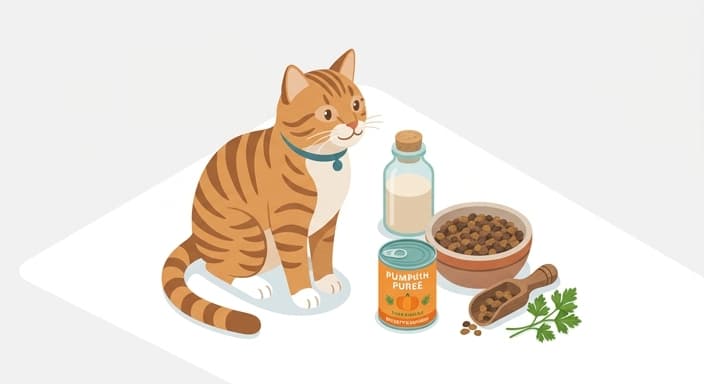
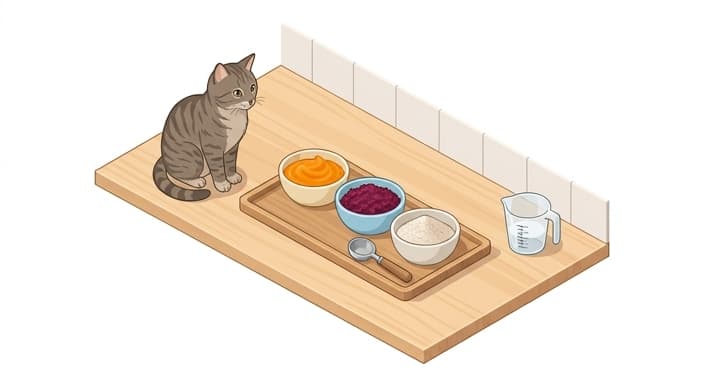
The gold standard for feline fiber supplementation is often psyllium husk. Because it is highly fermentable and gentle on the gut, it acts as a prebiotic, nourishing the beneficial bacteria that keep the colon healthy. Another excellent, vet-approved option is canned, plain pumpkin (not the spiced pie filling). Pumpkin is rich in soluble fiber and provides a boost of hydration, which is essential for cats, who are notoriously low-thirst drinkers. Other options, such as powdered cellulose or beet pulp, are often found in high-quality commercial cat foods specifically designed for digestion, as they provide a consistent, measured amount of insoluble fiber to keep the digestive tract moving smoothly.
How to Introduce Fiber Without GI Upset
The transition to a higher-fiber diet must be a "slow and steady" process. The feline gastrointestinal tract is incredibly sensitive to rapid dietary changes. If you suddenly dump a large amount of fiber into your cat’s bowl, you risk triggering an acute bout of diarrhea or causing your cat to turn up their nose at their food entirely.
Start by introducing the fiber source—such as a small teaspoon of plain pumpkin—mixed thoroughly into their wet food. Observe your cat over the course of three to five days. Are they eating with their usual enthusiasm? Is their stool consistency changing for the better? If everything looks stable, you can gradually increase the amount based on your veterinarian's guidance. The goal is to reach a "sweet spot" where the cat is producing soft, well-formed stools once or twice a day without straining. If you notice any signs of lethargy, vomiting, or a complete refusal to eat, stop the supplementation immediately and consult your primary veterinarian, as these can be signs that the fiber is not being processed correctly.
The Long-Term Benefits: Beyond Digestion
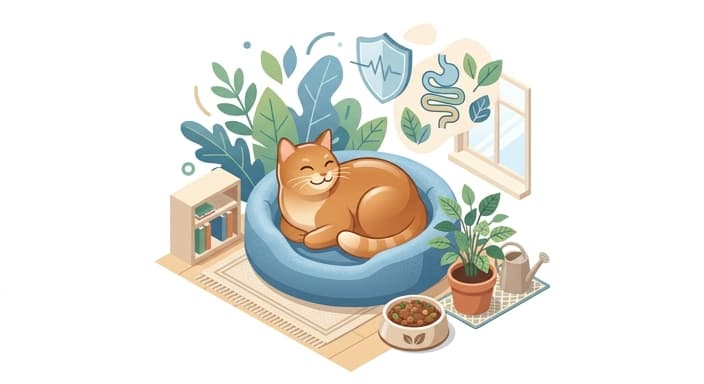
When we prioritize fiber as a cornerstone of feline health, the rewards extend far beyond the litter box. A cat with a healthy, fiber-supported microbiome experiences less systemic inflammation, which can translate to a stronger immune system and a reduced risk of chronic diseases. For indoor cats, who are prone to obesity and metabolic syndrome, the inclusion of appropriate fiber helps to manage satiety, keeping them feeling full and satisfied after meals. This prevents the "begging" behavior that leads to excessive weight gain and sets the stage for diabetes or joint issues later in life.
Furthermore, we are learning more about the "gut-brain axis" in cats. A healthy, flourishing microbiome produces neurotransmitters that influence mood and stress levels. Owners often report that cats with improved digestion appear more relaxed, playful, and affectionate. By supporting their gut health, you aren't just fixing a plumbing problem; you are actively contributing to your cat’s psychological well-being and longevity.
Final Thoughts on Your Cat’s Digestive Journey
Navigating the world of feline nutrition can feel overwhelming, especially with the abundance of conflicting information available online. However, focusing on the basics—high-quality protein, adequate hydration, and the right balance of fermentable fiber—will always be the most effective strategy for your cat’s vitality. As you embark on this journey to improve your cat’s digestive health, remember that you are the primary advocate for their well-being. By choosing to move away from the myth of fiber as "filler" and embracing it as a therapeutic tool, you are providing your companion with the best possible foundation for a long, happy, and symptom-free life. Always keep your veterinarian in the loop, as they can help tailor these recommendations to your cat’s specific medical history and unique needs. With patience and a proactive approach, you can ensure your cat’s gut health remains the silent, powerful engine driving their daily joy.
Common Questions
🤔
Frequently Asked Questions
Why is fiber important for a cat's digestion?▼
Fiber in cats is more than filler; it fuels the feline microbiome, supporting immune function, metabolic health, and even emotional well-being. Insoluble fiber adds bulk and promotes gut motility, while soluble fiber slows digestion and feeds short-chain fatty acid production, helping regulate blood sugar. Together, they foster a healthy gut environment and a stronger intestinal barrier.
How can I tell if my cat needs more fiber?▼
Watch for signs like straining in the litter box, consistently dry or hard stools, or recurrent diarrhea, which point to an imbalanced microbiome. A lackluster coat, reduced energy, or persistent hunger despite adequate calories can also indicate poor nutrient absorption from a gut that needs fiber. If you notice these signs, consult your veterinarian before making changes.
What are safe fiber sources for cats?▼
Safe options include psyllium husk, which is a gentle, prebiotic fiber. Plain canned pumpkin (not pie filling) provides soluble fiber and hydration. Other options such as powdered cellulose or beet pulp are commonly found in high-quality cat foods and can be considered under veterinary guidance.
How should I introduce fiber into my cat's diet?▼
Fiber should be introduced gradually under veterinary guidance. Adding the wrong type of fiber or increasing the amount too quickly can cause gas, bloating, or even blockages; a slow, monitored approach helps your cat adjust and reduces the risk of adverse effects.