Blog3/17/2026
How to Set Up a Pet-Friendly Home: Sensory and Denning Guide
8 mins Read
The Briefing
Quick takeaways for the curious
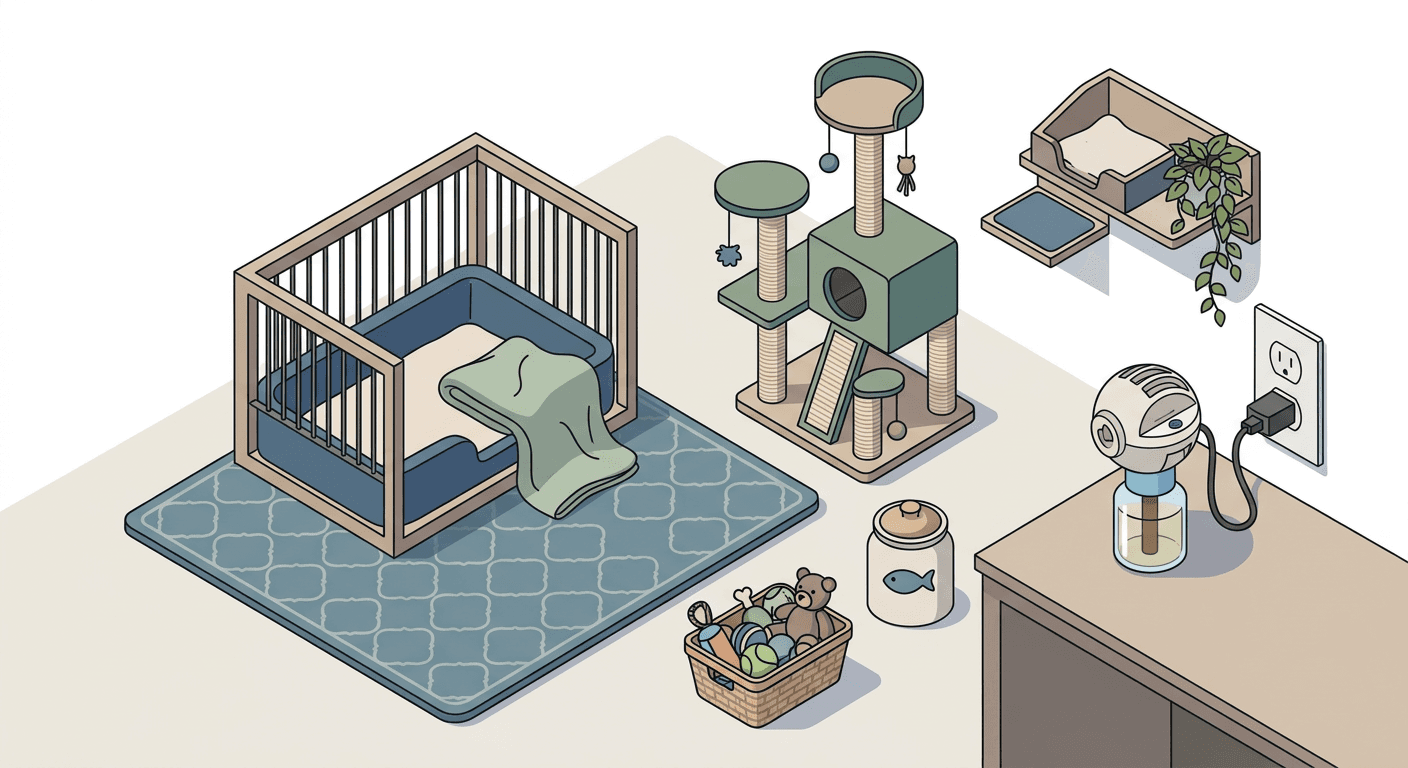
Set up a pet-friendly home by actively shaping the olfactory and acoustic environment with pheromone diffusers (Adaptil for dogs, Feliway for cats) and calming psychoacoustic music to soothe nerves from day one.
Design a dedicated den or safe zone that respects each species: provide a roomy crate with orthopedic bedding for dogs and offer vertical options like cat trees or wall-mounted perches for cats to satisfy their safety and surveillance instincts.
Honor the denning instincts by giving dogs a non-punitive retreat they can retreat to, and providing cats elevated vantage points to observe their surroundings.
Position the primary pet area away from high-traffic zones and loud appliances to minimize stress triggers, and avoid setups that rely on punishment or negative associations.
Adopt a holistic, biology-informed approach to home design that regulates sensory input and space from arrival, fostering calm behavior, better adaptation, and long-term well-being.
The moment a new pet crosses your threshold, the very air in your home shifts, vibrating with the potential of a decade or more of shared memories. As a veterinarian, I have seen that the difference between a seamless transition and a stressful upheaval often lies not in the breed of the animal, but in the intentionality of the environment we provide. To set up a home for a companion is to engage in an act of biological translation, turning human architecture into a functional, safe, and enriching habitat that honors their ancestral instincts.
Sensory Architecture: Designing for the Nose and Ear
When we walk into a room, we lead with our eyes. Our pets, however, inhabit a world defined by a rich tapestry of scents and sounds that are often invisible to us. To set up a successful home environment, we must first address the olfactory landscape. For a dog, a new home is a barrage of chemical signals; for a cat, it is a territory that lacks their own "scent markers." I recommend starting with pheromone therapy. Synthetic analogues of canine or feline facial pheromones—such as Adaptil for dogs or Feliway for cats—can be plugged into walls to signal "safety" at a molecular level. These diffusers mimic the soothing chemicals mothers release to calm their young, providing a physiological "hug" that lowers the heart rate and reduces cortisol levels.
Furthermore, we must consider the acoustic environment. Modern homes are filled with the high-frequency hum of appliances and the sudden intrusion of digital notifications. When setting up your pet’s primary area, choose a location away from the "traffic" of the laundry room or the front door. Studies in animal behavior have shown that psychoacoustic music—specifically classical arrangements with a lower tempo—can significantly reduce vocalization and pacing in shelter environments. By curating the sensory input of your home, you are not just decorating; you are regulating your pet’s nervous system from the moment they arrive.
The Denning Instinct: Crafting the Perfect Sanctuary
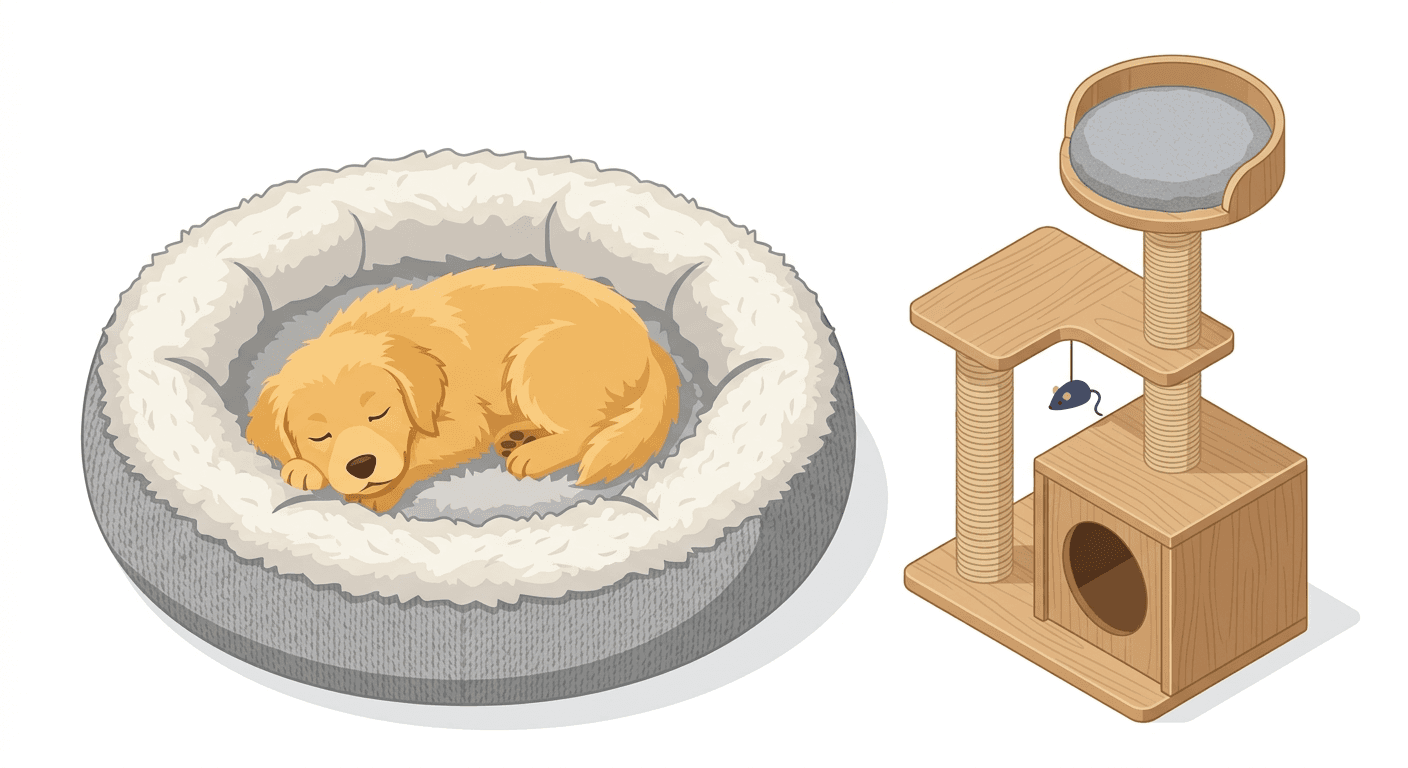
In the wild, both canids and felids are "den-dwellers" to varying degrees. Dogs are cursorial hunters that seek out small, enclosed spaces for safety when they are vulnerable (sleeping), while cats are both predators and prey, requiring vertical height to survey their kingdom. When setting up your pet’s "safe zone," think of it as their private bedroom. For dogs, a crate should never be a place of punishment; it is a modern-day cave. It should be large enough for them to stand, turn, and lie down, outfitted with orthopedic bedding to support joint health—especially critical for breeds like Great Danes or Greyhounds who lack the natural cushioning of significant body fat.
For our feline friends, the "setup" must go vertical. Cats experience a sense of security when they can observe the room from an elevated vantage point. A high-quality cat tree or wall-mounted perches allow them to utilize the three-dimensional space of your home, effectively doubling their territory. Historically, cats lived in the scrublands and forests where height meant safety from ground-dwelling predators. By providing a "sky-high" sanctuary, you satisfy a primal psychological need that prevents behavioral issues like redirected aggression or inappropriate marking.
Gastronomy and Hydration: The Science of the Feeding Station
The setup of your pet’s feeding station is often overlooked, yet it is the site of their most frequent daily interaction with you. From a clinical perspective, the hardware matters as much as the kibble. I always advocate for stainless steel or ceramic bowls over plastic. Plastic is porous and can harbor biofilms and bacteria that lead to "feline acne" or canine dermatitis. Furthermore, the placement of the water bowl is vital. Many cats have a biological aversion to drinking water that is placed directly next to their food—an ancestral trait designed to prevent water contamination from prey carcasses.
For larger dog breeds, consider an elevated feeder. While the debate regarding elevated feeders and Gastric Dilatation-Volvulus (GDV) or "bloat" continues in the veterinary community, many senior dogs with osteoarthritis benefit significantly from the reduced strain on their cervical spine. Additionally, consider the phenomenon of whisker fatigue in cats. A cat’s vibrissae (whiskers) are highly sensitive tactile organs; if their food bowl is too deep and narrow, the constant brushing of whiskers against the sides can cause sensory overload. A shallow, wide saucer is often the "setup" secret to a happier, more relaxed eater.
Strategic Safety: Creating a "Puppy-Proof" and "Cat-Safe" Perimeter
Setting up a home requires a rigorous safety audit that looks at the world from six inches off the floor. We call this the "puppy-eye view." Electrical cords are not just hazards; to a teething puppy, they represent a textural curiosity that can lead to fatal electric shocks. Use cord hiders or "critter cords" to encase these temptations. Similarly, ensure that all "trash-can treasures" are secured behind child-proof locks. Items like sugar-free gum containing xylitol, grape stems, or even used dental floss can lead to emergency surgeries or acute hepatic failure.
For cat owners, the setup must account for their incredible curiosity and "liquid" skeletal structure. Ensure that window screens are reinforced; the "High-Rise Syndrome" is a very real clinical phenomenon where cats fall from significant heights because they were distracted by a bird. Furthermore, check your houseplants. While we all love an indoor jungle, common plants like Lilies are nephrotoxic to cats—even the pollen can cause total kidney failure. A safe setup includes pet-friendly greenery like Spider Plants or Boston Ferns, which provide enrichment without the risk of toxicity.
Enrichment Zones: Mental Stimulation as a Foundation
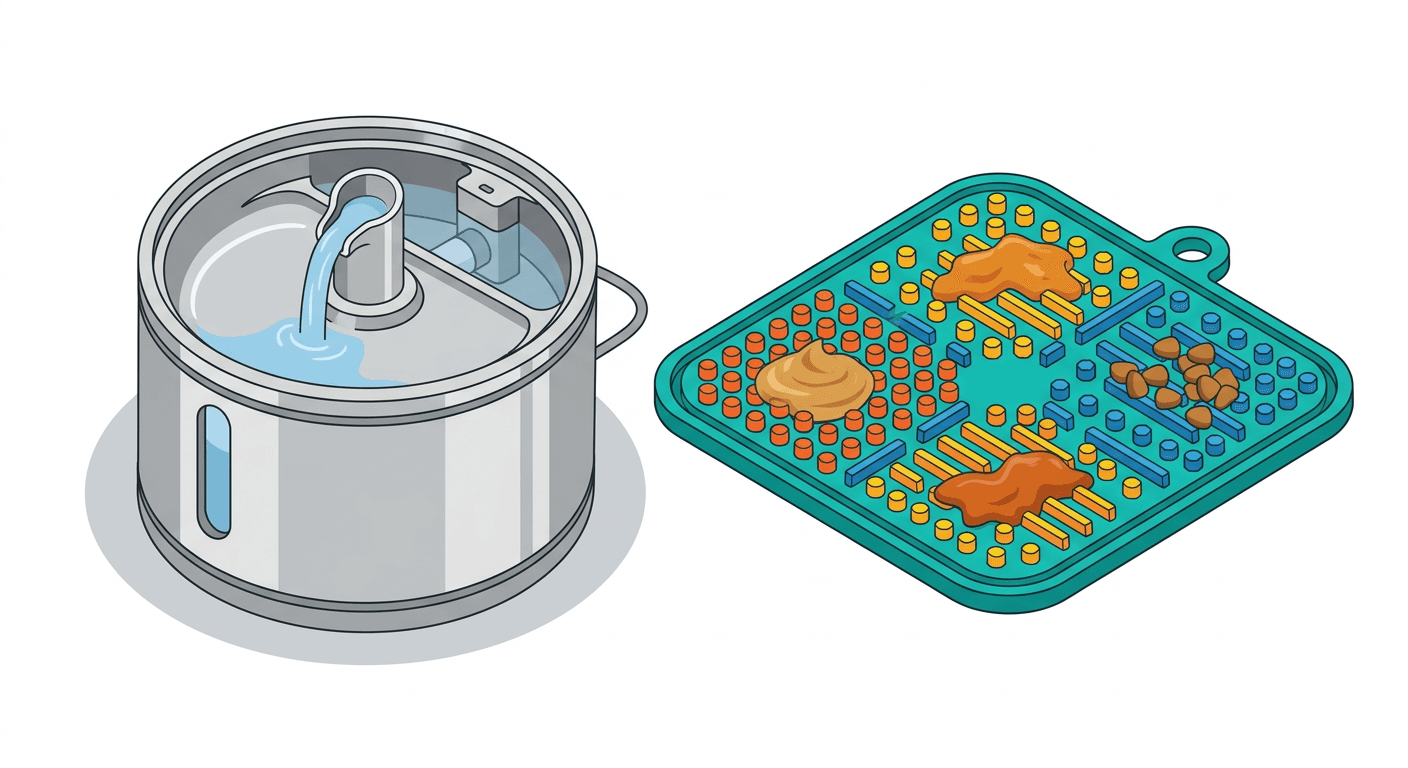
A pet’s home should be more than a place to wait for their human to return; it should be an interactive playground. When setting up your space, dedicate an area to cognitive enrichment. This doesn't mean a pile of squeaky toys in the corner. Instead, think about "work-to-eat" stations. Puzzle feeders and snuffle mats engage a dog’s natural foraging behaviors, releasing dopamine in the brain and providing a healthy outlet for energy.
For cats, "catio" setups or window perches with a view of a bird feeder provide hours of "cat TV." This visual stimulation is essential for indoor-only pets to prevent boredom-induced lethargy. It is a historical fact that dogs and cats were bred for specific jobs—herding, hunting, or vermin control. In a modern domestic setting, the "job" is gone, but the biological drive remains. By setting up enrichment zones, you are providing a "mental job" that keeps their cognitive functions sharp and their anxiety levels low.
The Health Hub: Setting Up Your Veterinary First Aid Station
The final, and perhaps most critical, part of a home setup is the Health Hub. This is a designated area—perhaps a specific shelf or a durable bin—where all medical records, preventative medications, and first aid supplies live. As a vet, I cannot stress enough how much time is saved during an emergency when an owner knows exactly where the styptic powder, digital thermometer, and emergency clinic phone number are located.
Your setup should include:
- Self-adherent bandages (that don't stick to fur).
- Saline solution for flushing eyes or wounds.
- Hydrogen peroxide (only to be used under a vet's direction to induce vomiting).
- A copy of your pet’s vaccination records and microchip number.
- Tick removal tools and grooming shears.
By centralizing these items, you transition from a reactive pet owner to a proactive guardian. This "hub" represents your commitment to their long-term wellness, ensuring that when the unexpected happens, your home remains a place of healing rather than chaos.
Key Takeaways for the Ultimate Pet Setup
- Prioritize Pheromones: Use diffusers to create a molecular "safety net" in the home.
- Respect the Den: Provide species-specific safe zones (crates for dogs, vertical height for cats).
- Optimize Hardware: Use stainless steel or ceramic bowls and consider elevated feeders for large breeds.
- Sensory Management: Use white noise or low-tempo classical music to mask stressful outside sounds.
- The "Puppy-Eye View": Conduct a safety sweep for cords, toxic plants, and small swallowable objects.
- Mental Enrichment: Incorporate puzzle feeders and snuffle mats to satisfy ancestral foraging instincts.
- Centralize Care: Keep a dedicated first aid kit and medical record folder in an accessible location.
In the end, setting up a home for a pet is about more than aesthetics or even convenience. It is about creating a sanctuary where a different species can truly flourish. When we take the time to understand the world through their eyes, ears, and noses, we bridge the gap between our two worlds. This intentionality is the greatest gift you can give your new companion—a foundation of safety upon which a lifetime of love and loyalty can be built. Welcome home to your new best friend; the journey is just beginning.
Common Questions
🤔
Frequently Asked Questions
What’s the best way to set up a home for a new dog or cat to minimize stress?▼
Start by shaping the olfactory and acoustic environment: use pheromone diffusers such as Adaptil for dogs or Feliway for cats to signal safety, and play psychoacoustic music with a slower tempo to calm nervous systems. Position the pet's primary area away from high-traffic rooms like the laundry or front door to reduce sudden stress. Create a clearly defined safe zone—a comfortable crate for dogs with enough room to stand, turn, and lie down and vertical options like cat trees for felines—and introduce these tools gradually to support a smooth transition. Monitor your pet's response and adjust lighting and noise levels accordingly.
How do pheromone diffusers help new pets settle in?▼
Pheromone diffusers release synthetic analogues of facial pheromones that signal safety and comfort, providing a physiological 'hug' that lowers heart rate and cortisol. They work best when used consistently in the pet's primary living area and can be used alongside gradual exposure to new stimuli. They are a supportive tool, not a cure-all, for easing the transition during the first weeks. Ensure replacements are fresh and follow manufacturer guidelines.
Why is vertical space important for cats, and how should I set up their area?▼
Cats feel secure when they can observe their surroundings from height, so include sturdy cat trees or wall-mounted perches and arrange furniture to give safe routes to these vantage points. Provide calm, quiet zones and keep litter boxes accessible but out of direct line of sight from busy walkways. The overall setup should let the cat survey its kingdom while maintaining a sense of safety and control. Consider multiple reachable levels to encourage exploration.
Should a dog's crate be used as a safe den, and how can I make it comfortable?▼
Yes—the crate should function as a safe den, not a punishment, and it must be large enough for the dog to stand, turn, and lie down. Provide orthopedic bedding to support joints, which is especially important for breeds with higher risk of joint issues like Great Danes or Greyhounds. Use positive reinforcement to help the dog associate the crate with comfort, and acclimate gradually with food, treats, and gentle introductions. Avoid crating for long periods and ensure it remains a calm, quiet space rather than a place of isolation.