Blog3/10/2026
How to Stop Dogs: Teach Quiet Behavior Effectively
8 mins Read
The Briefing
Quick takeaways for the curious
Shifting your goal from simply 'stopping' a dog's behavior to 'teaching' the dog creates clearer communication and strengthens the human–dog bond, making training feel like teamwork rather than a chore.
Most so-called 'bad' behaviors are natural canine impulses; addressing underlying needs for regular exercise, mental stimulation, and predictable communication helps prevent unwanted actions before they start.
Understanding the breed's historical instincts (e.g., guarding, herding) helps explain behaviors like nuisance barking or nipping, guiding more empathetic and effective training strategies.
To stop nuisance barking, first identify the trigger—territorial, alarm, or attention-seeking—and apply a tailored approach rather than generic commands.
Practical techniques such as the 'Thank You' method for territorial barking and planned ignoring for attention-seeking barking, combined with high-value rewards for calm behavior, promote lasting behavioral change.
Sharing your life with a canine companion is one of the most rewarding journeys a human can take, but it often comes with moments of frustration when their natural instincts clash with our domestic expectations. Whether you are dealing with a serial jumper, a vocal barker, or a leash-puller, understanding the "why" behind the behavior is the first step toward a harmonious home. By shifting our perspective from "stopping" a dog to "teaching" a dog, we unlock a deeper level of communication and trust that transforms the training process from a chore into a bonding exercise.
Understanding the Instinctual Root: Why Dogs Do What They Do
Before we can effectively stop an unwanted behavior, we must acknowledge that most of what we consider "bad" behavior is actually perfectly natural for a dog. Historically, dogs were selectively bred for thousands of years to perform specific tasks. For example, the Great Pyrenees was bred to bark at any perceived threat to its flock, while the Border Collie was bred to nip at the heels of stubborn sheep. When we bring these breeds into a suburban environment, those same instincts manifest as nuisance barking or nipping at the children.
In the Victorian era, as dogs transitioned from outdoor laborers to indoor companions, the concept of "pet etiquette" began to emerge. However, the biological hardwiring of a dog doesn't change as quickly as human social trends. Most dogs engage in "annoying" behaviors because they are either bored, anxious, or simply haven't been taught an alternative. When a dog jumps on you, they aren't trying to dominate you; they are trying to reach your face to greet you, which is how dogs communicate with one another. To "stop" a dog effectively, we must first satisfy their biological needs for exercise, mental stimulation, and clear communication.
The Art of Silent Communication: Stopping Nuisance Barking
Barking is a dog’s primary way of vocalizing emotion, but when it becomes a constant soundtrack to your life, it’s time to intervene. To stop nuisance barking, you must first identify the trigger. Is it territorial barking (the mailman), alarm barking (a squirrel), or attention-seeking barking (you're on a Zoom call)?
For territorial barking, the goal is to change the dog's emotional response to the trigger. Instead of shouting "Quiet!"—which the dog often interprets as you barking along with them—use the "Thank You" method. When your dog barks at the window, calmly acknowledge the alert, then lure them away with a high-value treat. You are essentially saying, "I see the threat, I’ve got it from here, now come get a reward for stopping." Over time, the dog learns that seeing the mailman is a cue to look at you for a treat rather than to bark.
For attention-seekers, the most effective tool is planned ignoring. If your dog barks while you are preparing their dinner or sitting on the couch, turn your back and become a statue. Any attention, even negative attention like scolding, reinforces the behavior because the dog got what they wanted: your focus. Only when the dog is silent for at least three seconds should you turn back and offer praise or the resource they were asking for.
Four on the Floor: How to Stop Jumping
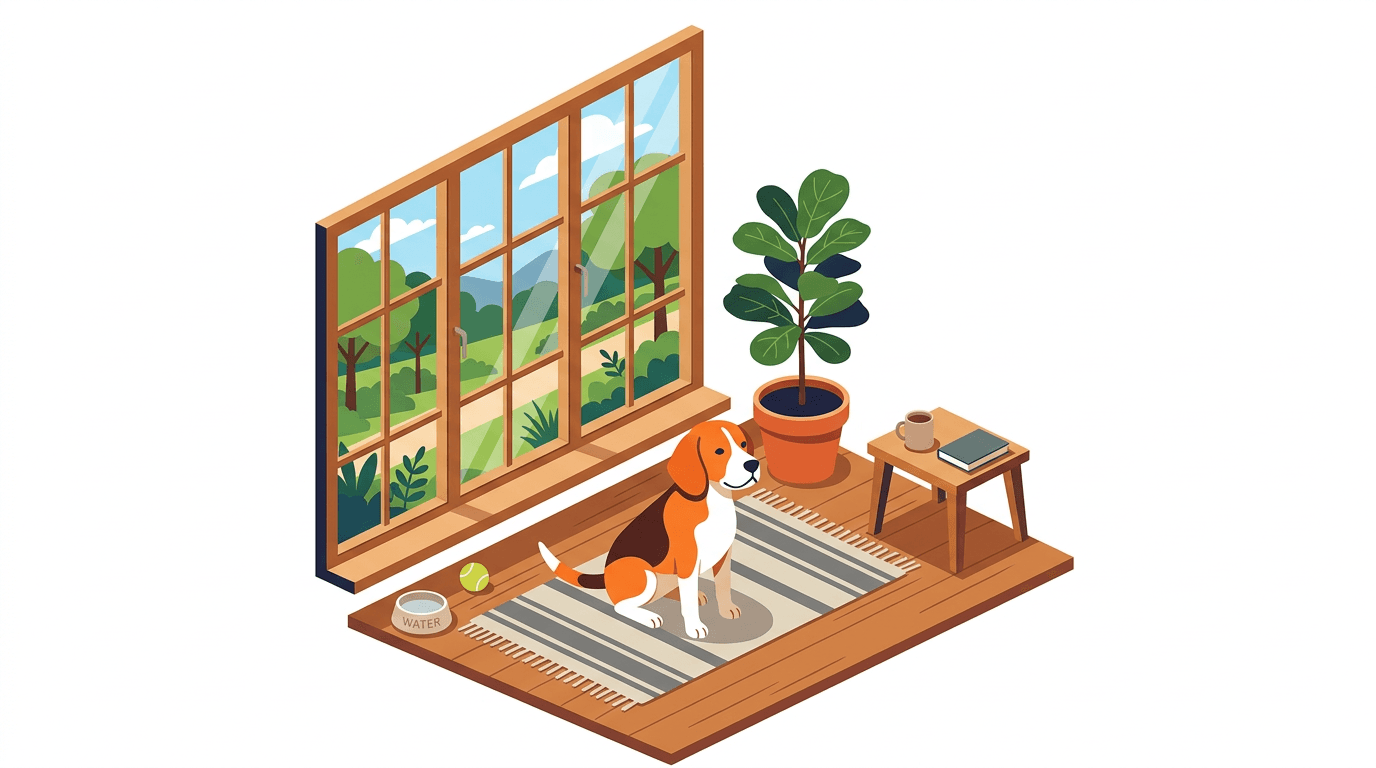
Jumping is perhaps the most common complaint among pet parents. It’s an enthusiastic greeting, but it can be dangerous for children or the elderly. To stop a dog from jumping, you must implement the "Four on the Floor" rule. This means the dog receives zero attention—no eye contact, no touch, no talking—unless all four paws are touching the ground.
When you walk through the door and your dog launches at you, immediately turn your back and fold your arms. If the dog circles around to jump again, turn again. The moment the dog sits or simply stands still, immediately drop to their level to offer pets and praise. You are teaching the dog that "sitting is the key that unlocks the human."
For high-energy breeds like Boxers or Golden Retrievers, who often find it physically difficult to contain their excitement, give them a "job" to do during greetings. Keeping a basket of toys near the front door is a classic vet-recommended strategy. If the dog has a plush toy in their mouth, they are much less likely to jump or nip, as their focus is redirected toward holding the object. This is a form of Incompatible Behavior training; a dog cannot jump and hold a sit-stay at the same time.
Taming the Nipping and Mouthing Instinct
Puppy "mouthing" is a vital stage of development, but it must be managed before those needle-sharp teeth grow into adult jaws. In the wild, puppies learn bite inhibition by playing with their littermates. If one puppy bites too hard, the other yelps and stops playing. We must replicate this feedback loop.
If your dog nips your hand during play:
- Emit a high-pitched "Ouch!" or "Yip!"
- Immediately let your hand go limp (don't pull away quickly, as this triggers the prey drive).
- Stop all interaction for 20-30 seconds.
- Resume play with a toy instead of your hands.
For adult dogs that nip—often seen in herding breeds like the Australian Shepherd—the behavior is often a sign of "herding" their humans. This usually happens when people are moving quickly or running. To stop this, you must teach the dog that movement doesn't always mean it's time to work. Practicing "Place" training, where the dog learns to stay on a specific mat or bed while there is activity in the room, is essential for calming the herding drive.
Mastering the Walk: Stopping Leash Pulling
Walking a dog that pulls can feel like a grueling workout rather than a relaxing stroll. Dogs pull because they move faster than we do and because they have an opposition reflex—an instinctive impulse to pull against pressure. When the leash gets tight, the dog's instinct is to pull even harder.
To stop the pulling, you must become the most interesting thing in the environment. Use a front-clip harness, which gently redirects the dog’s chest back toward you if they try to forge ahead. Avoid retractable leashes, which actually teach dogs that pulling "works" to get more line.
The "Red Light, Green Light" method is highly effective:
- Green Light: As long as the leash is loose, you keep walking.
- Red Light: The moment the leash becomes taut, stop dead in your tracks. Do not pull back; just become an anchor.
- Wait for the dog to look back at you or step back to loosen the tension.
- The moment the leash goes slack, praise and move forward again.
This teaches the dog that a tight leash is a "stop" signal and a loose leash is the "go" signal. For breeds like the Siberian Husky, who were literally bred to pull sleds, this takes immense patience, but the result is a dog that walks in harmony with you rather than leading the way.
Key Takeaways for a Well-Behaved Dog
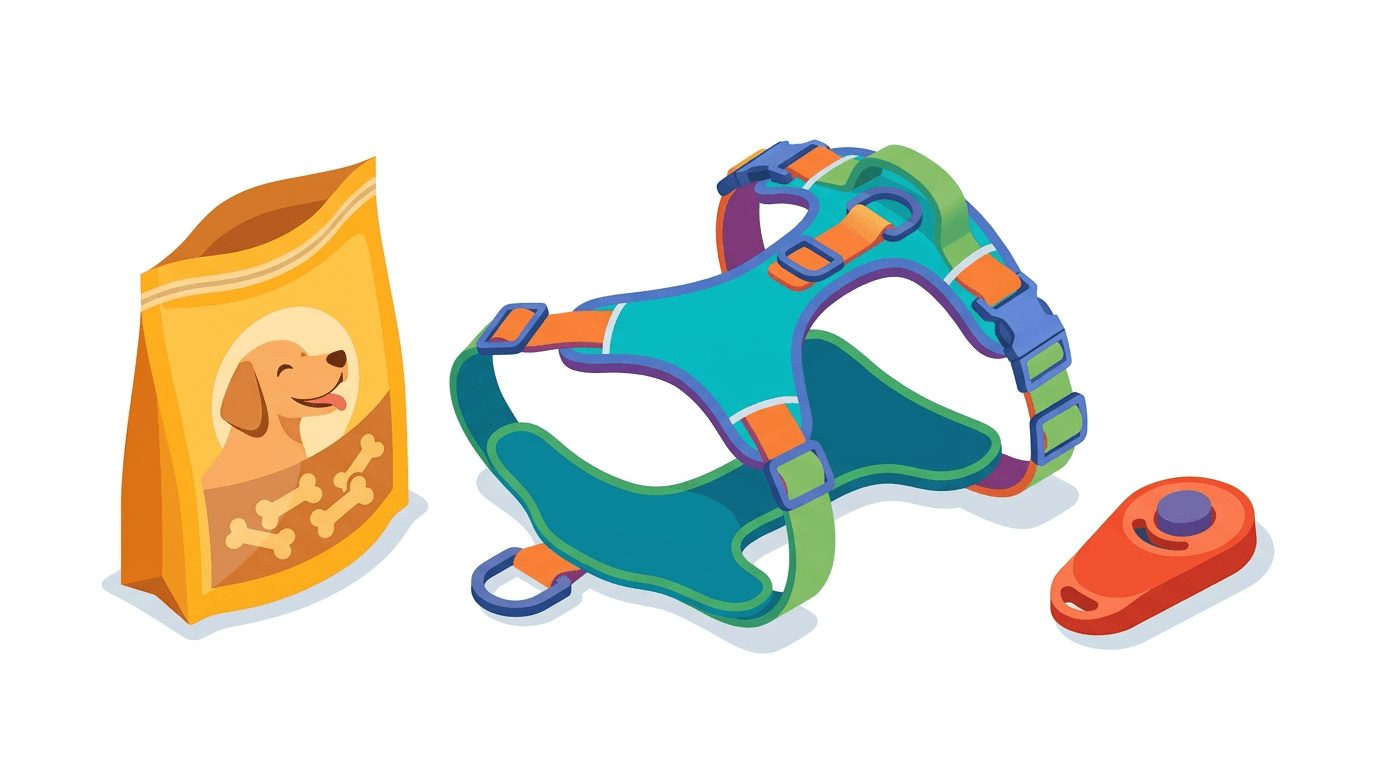
To ensure long-term success in stopping unwanted behaviors, keep these core principles in mind:
- Consistency is King: If you let the dog jump on you when you're wearing "grubby" clothes but scold them when you're in a suit, the dog will be confused. Everyone in the household must follow the same rules.
- Positive Reinforcement: Focus on rewarding what the dog does right rather than just punishing what they do wrong.
- Mental Stimulation: A tired dog is a good dog. Many behaviors like chewing or barking stem from boredom. Use puzzle feeders and sniffing walks to tire their brains.
- Identify the Trigger: You cannot stop a behavior if you don't know what is causing it. Observe your dog’s body language closely.
- Patience and Time: Behavioral changes don't happen overnight. It takes hundreds of repetitions for a new habit to become the dog's "default" setting.
- Health Check: If a well-behaved dog suddenly starts acting out (like snapping or house soiling), consult a veterinarian. Sudden behavioral changes are often the first sign of pain or illness.
The Bond Beyond the Training
At the end of the day, "stopping" a dog's bad habits isn't about being an "alpha" or asserting dominance. Modern veterinary science and animal psychology have shown us that the most effective training is built on a foundation of mutual respect and clear communication. When you take the time to understand why your dog is barking at the fence or pulling on the leash, you aren't just fixing a problem; you are learning to speak their language.
The goal of training is to create a world where your dog feels safe, understood, and confident. By replacing unwanted behaviors with positive alternatives, you aren't stifling your dog’s personality—you are giving them the tools they need to navigate our human world successfully. Cherish the small victories, stay patient during the setbacks, and remember that every training session is an investment in the lifelong bond you share with your best friend. There is no greater reward than the look of a dog who finally understands what you’re asking of them, their tail wagging in happy alignment with your expectations.
Common Questions
🤔
Frequently Asked Questions
How can I stop my dog's nuisance barking effectively?▼
Identify the trigger behind the barking (territorial, alarm, or attention-seeking). Use the 'Thank You' method for territorial barking by calmly acknowledging the alert and rewarding a calm response, and apply planned ignoring for attention-seeking barking. Redirect with high-value treats and consistent training to reinforce quiet behavior over time.
Why does my dog jump on people and how can I stop it?▼
Jumping is a natural greeting behavior dogs use to reach faces. Teach an alternate, calmer greeting such as sitting or offering a paw, and reward the dog for calm behavior with treats. Ensure exercise and mental stimulation meet their needs so they are less likely to seek attention through jumping.
What is the 'Thank You' method and how does it help stop barking?▼
The 'Thank You' method involves calmly acknowledging the dog's alert and then redirecting them with a high-value treat, signaling that you’ve handled the situation. This reframes barking as a cue to look for you for a reward rather than a signal to continue. Over time, the dog learns that calm behavior gets attention and rewards.
How can I address different barking triggers (territorial, alarm, attention-seeking)?▼
For territorial barking, create a calm response with acknowledgment and reward; for alarm barking, practice quiet periods and distraction techniques; for attention-seeking barking, implement planned ignoring and only reward when the dog remains quiet and attentive to you. Consistency across triggers helps the dog learn which behaviors are rewarded.