Blog4/24/2026
Calming Enrichment Activities for Anxious Dogs: Practical
6 mins Read
The Briefing
Quick takeaways for the curious
Calming enrichment reframes canine anxiety as a physiological state that can be mitigated through enrichment rather than punishment.
The amygdala-driven stress response can be modulated by activities that engage olfaction and repetitive licking, shifting the nervous system toward rest-and-digest.
Olfactory enrichment, like sniffing and scent-based games, lowers arousal and builds confidence by engaging natural canine instincts.
Rhythmic chewing and licking act as natural sedatives by relaxing jaw and neck muscles and triggering endorphin release.
Practical at-home strategies such as scatter feeds and snuffle mats provide non-punitive ways to occupy the dog and reduce stress hormones.
A compassionate, science-informed approach helps move from avoidance to wellness-focused care that empowers dogs to find calm.
There is a persistent, outdated myth in the modern pet care community that canine anxiety is a behavioral "choice" or a sign of poor training, and that the only way to manage a stressed dog is through strict discipline or total avoidance of triggers. As a veterinarian consultant, I frequently speak with devoted pet parents who feel trapped by their dog’s reactive behavior, failing to realize that anxiety is a physiological state of hyperarousal that can be significantly mitigated through the science of enrichment. We are finally moving toward a more sophisticated, compassionate standard of pet wellness that views calming enrichment not as a "distraction," but as a vital therapeutic intervention, effectively closing the gap between a dog trapped in a cycle of constant stress and one who is empowered to find a state of calm, balanced equilibrium through the natural expression of their innate behaviors.
The Neurobiology of Enrichment: Why Calming Matters
To understand why enrichment represents a paradigm shift for our anxious companions, we must first demystify the biomechanics of the canine brain. When a dog experiences stress, the amygdala—the brain’s alarm system—fires, releasing a cascade of cortisol and adrenaline. In an anxious dog, this system is often stuck in the "on" position. Enrichment, specifically activities that focus on olfactory stimulation and rhythmic chewing, acts as a biological "reset" button.
When a dog engages in scent work or intensive licking, the brain shifts from the sympathetic nervous system (fight-or-flight) to the parasympathetic nervous system (rest-and-digest). Licking, for instance, triggers the release of endorphins, which act as a natural sedative. Similarly, sniffing lowers a dog's heart rate, providing a meditative outlet that forces them to focus on the present moment rather than the perceived threat. By choosing activities that tap into these innate behaviors, we aren't just "keeping them busy"; we are physically modulating their neurochemistry to reduce the circulating levels of stress hormones.
The Power of Olfactory Enrichment: Following the Nose
The canine nose is their most sophisticated tool for interpreting the world. While we humans are visual creatures, dogs are olfactory ones; they "see" the world through scent. For an anxious dog, allowing them to utilize their natural scent-tracking instincts is one of the most effective ways to build confidence and lower arousal levels. This is why "sniffaris"—walks where the dog dictates the pace and chooses the items to investigate—are far more calming than rigid, structured exercise.
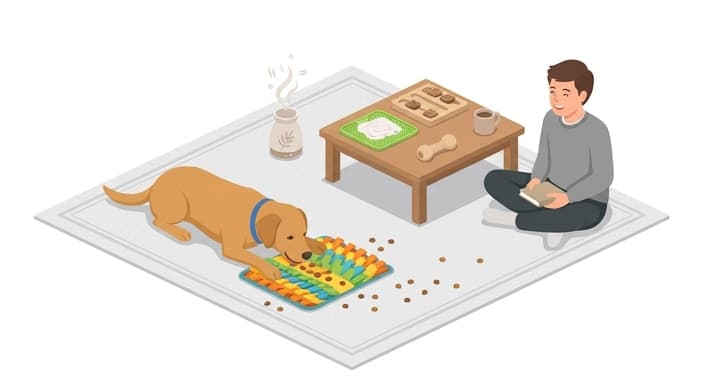
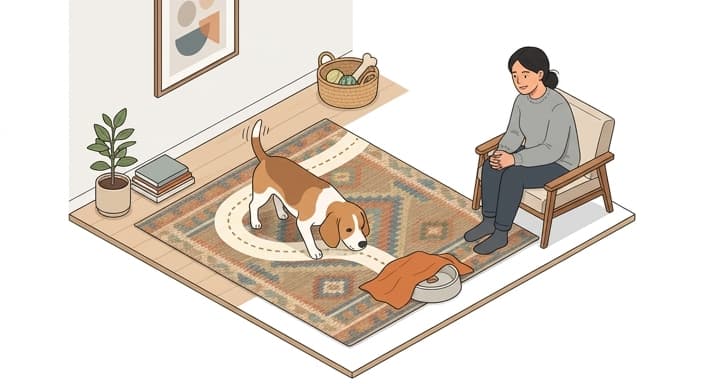
To bring this into the home, consider the "scatter feed" technique. Instead of serving breakfast in a bowl, take a portion of their kibble and scatter it in the grass, on a snuffle mat, or across a designated rug. This forces the dog to utilize their olfactory system to "hunt" for their meal. The act of sniffing requires deep, rhythmic breathing, which itself is a calming signal. When a dog is focused on tracking a scent, the prefrontal cortex—the area of the brain responsible for executive function and decision-making—becomes more active, effectively dampening the panic response of the amygdala.
Rhythmic Chewing and Licking: The Biological Sedatives
If you have ever noticed your dog settling down after chewing on a long-lasting treat, you have witnessed the power of the "Lick-Chew-Suck" sequence. From a veterinary perspective, these repetitive motions are deeply therapeutic. Chewing is a natural stress-reliever for dogs; it helps to release tension in the jaw and neck muscles, which are often tight in anxious animals.
To maximize this benefit, we need to focus on high-value, species-appropriate materials. Lick mats—silicone trays with textured surfaces—are excellent tools for this. By spreading a thin layer of plain, xylitol-free Greek yogurt, pumpkin purée, or unsalted peanut butter onto the mat, you encourage the dog to lick for an extended period. This rhythmic licking is soothing and occupies the dog’s mind, making it an ideal activity for times of day when your dog typically becomes restless, such as when you are preparing dinner or heading out the door. Always ensure the material is durable enough to prevent ingestion of plastic or rubber shards, and monitor your pet to ensure they are using the enrichment safely.
Creating a Low-Stimulation "Safe Zone"
Enrichment is only effective if the environment supports the dog's need for a calm experience. For many anxious dogs, the world is simply "too loud." If we attempt to introduce enrichment in a room where the television is blaring or children are running, the dog will struggle to engage because their cortisol levels remain elevated.
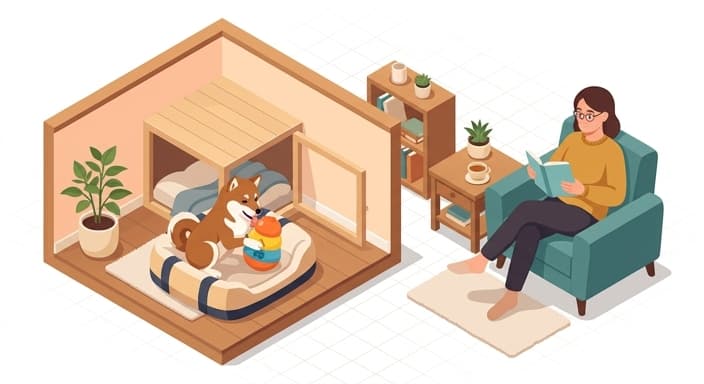
A "safe zone" is a dedicated space—a crate, an exercise pen, or a cozy corner in a quiet room—where the dog knows they will never be disturbed. This is where you should introduce long-duration enrichment like stuffed, frozen Kongs. By freezing the content, you increase the difficulty level, which means the dog must work harder and longer to extract the food. This extended mental engagement is vital for dogs suffering from separation anxiety. When you pair the "safe zone" with a high-value, long-lasting activity, you are creating a positive association with being alone. Over time, the dog begins to associate your departure not with fear, but with the arrival of their favorite puzzle toy, effectively turning a stress-inducing event into a rewarding, calming ritual.
The Importance of "Decompression" After Stress
In the veterinary world, we often discuss the concept of "trigger stacking." This is when a dog experiences multiple small stressors throughout the day—a loud mail carrier, a busy walk, a sudden noise—that eventually stack up until the dog hits a breaking point. Many owners wait until the dog is already exhibiting full-blown anxiety (pacing, panting, or whining) to offer help. Instead, we should be proactive about "decompression."
Decompression activities are low-impact, low-arousal tasks that allow the dog to shed the stress they have accumulated. This might mean a quiet session of "find it" in the living room, a slow-paced grooming session, or simply allowing them to spend time in a secure yard sniffing the air. The goal is to provide an outlet that doesn't require a high level of excitement. Avoid high-stakes games like fetch, which can spike adrenaline levels, and instead opt for activities that promote a steady, calm heart rate. Remember, the objective is to return the dog to a state of homeostasis—a biological "neutral" where they feel safe, secure, and ready to rest.
Moving Toward Long-Term Emotional Resilience
The path to helping an anxious dog is not linear. There will be days where progress seems slow, and that is perfectly normal. By viewing enrichment as a fundamental pillar of your dog’s healthcare—much like nutrition or veterinary check-ups—you are shifting the focus from "fixing a problem" to "supporting a nervous system."
Consistency is the secret ingredient. When you provide daily opportunities for your dog to express their natural behaviors—sniffing, licking, and solving problems—you are essentially building their emotional muscles. You are teaching them that they are capable, that their environment is safe, and that they have the tools to self-soothe when the world feels overwhelming. As a veterinarian, I have seen firsthand that the most successful cases are those where the pet parent prioritizes their dog’s mental state with as much dedication as their physical health. By incorporating these science-based, calming enrichment activities into your daily routine, you are doing more than just keeping your dog busy; you are providing them with the gift of peace, one snuffle mat and lick at a time.
Common Questions
🤔
Frequently Asked Questions
What is calming enrichment, and how does it help anxious dogs?▼
Calming enrichment is a science-based approach that uses activities aligned with a dog's natural instincts to reduce stress, rather than punish or avoid triggers. It treats anxiety as a physiological state that can be modulated by the brain through engagement of scent, chewing, and routine. By providing appropriate enrichment, we can help shift the dog's nervous system from fight-or-flight toward rest-and-digest, lowering cortisol and heart rate. It's not merely distractions; it's a therapeutic intervention that supports learning and wellness.
Which at-home activities are practical for daily use?▼
Practical activities include scatter feeding, snuffle mats, and nose-work games that let dogs follow scents at their own pace. Rhythmic licking and chewing with safe chew items or lick mats can provide a natural calm through endorphin release. Rotating scent tasks and giving dogs control over the pace of exploration, like sniffari-style walks, can reduce arousal more effectively than rigid exercise. Always use vet-approved foods and avoid anything with xylitol.
Are there risks or situations where calming enrichment should be avoided or complemented by veterinary care?▼
Calming enrichment is typically beneficial, but it should complement, not replace, veterinary care for diagnosed anxiety disorders. If a dog shows self-harm, panic attacks, or responds poorly to enrichment, consult a veterinarian or veterinary behaviorist. Enrichment plans should be tailored to the individual dog, avoiding overstimulation or triggers that worsen symptoms. In some cases, enrichment may need to be combined with medication or behavior modification strategies.
How soon can owners expect benefits and how to measure progress?▼
Progress varies by dog, but many see calmer moments and lower arousal within days to weeks of consistent practice. Track changes by noting resting heart rate, the ease of settling after a meal or enrichment, and the frequency of panic-like reactions. Use a simple diary to rate daily stress on a 0-10 scale during activities and celebrate small wins. Maintain a gentle, nonpunitive approach and adjust activities based on what the dog tolerates.