Blog4/26/2026
Natural Fiber Sources for Pet Gut Health and Vitality
6 mins Read
The Briefing
Quick takeaways for the curious
Fiber is a bioactive, essential component of a pet's nutrition, not a mere filler.
It fuels the gut microbiome, enabling production of short-chain fatty acids that support gut integrity, immune function, and even behavior.
A balanced mix of soluble and insoluble fiber is key: insoluble fiber adds bulk and supports transit, while soluble fiber moderates digestion and blood sugar.
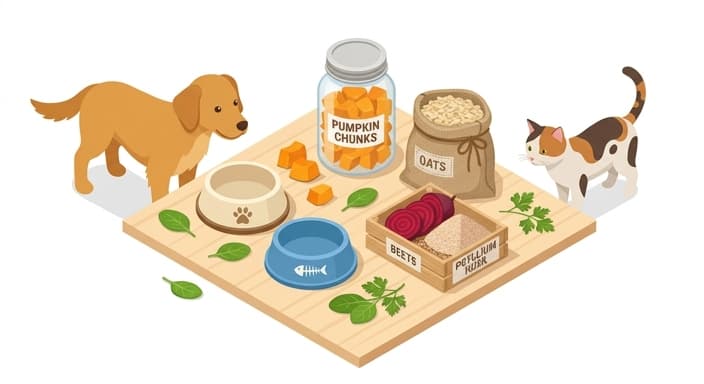
Natural whole-food fiber sources like pumpkin, beet pulp, and psyllium husk can transform gut health when used appropriately.
When using pumpkin, choose plain, cooked pumpkin rather than spiced pie filling to avoid additives that can harm pets.
There is a persistent, outdated myth in the modern pet care community that fiber is merely a "filler" ingredient in commercial pet foods, used solely to create bulk or manage weight. As a veterinarian consultant, I frequently speak with well-meaning pet parents who are surprised to learn that dietary fiber is actually a complex, bioactive component of nutrition that acts as the primary fuel source for the microbiome, effectively acting as the silent engine behind a pet’s immune system, metabolic health, and emotional stability. We are finally moving toward a more sophisticated, holistic standard of pet wellness that views fiber not as an inert additive, but as a vital therapeutic intervention, effectively closing the gap between a pet prone to chronic gastrointestinal distress and one who enjoys a robust, resilient, and thriving gut environment.
The Gut-Brain-Immune Axis: Why Fiber is the Foundation of Vitality
To understand why fiber represents a paradigm shift for our pets, we must first demystify the complex ecosystem of the gastrointestinal tract. A pet’s gut is not just a tube for processing food; it is a sprawling, high-stakes metabolic organ home to trillions of microorganisms, collectively known as the gut microbiome. When we feed our pets diets that are overly processed or devoid of high-quality, fermentable fibers, we starve the "good" bacteria that reside in the large intestine. These beneficial microbes rely on specific types of fiber—specifically prebiotics—to ferment into short-chain fatty acids (SCFAs) like butyrate.
Butyrate is the "gold standard" for gut health. It serves as the primary energy source for the cells lining the colon, maintains the integrity of the intestinal barrier to prevent "leaky gut," and modulates the immune response. When we neglect fiber, we don’t just see loose stools; we see systemic inflammation, compromised nutrient absorption, and even behavioral shifts. In modern veterinary medicine, we are increasingly recognizing that a lack of fiber-driven microbial diversity is linked to everything from food sensitivities to anxiety, underscoring the reality that the gut is truly the second brain of our companion animals.
Distinguishing Between Soluble and Insoluble Fiber
Not all fibers are created equal, and understanding the nuance between them is the secret to tailored pet nutrition. Insoluble fiber, often referred to as "roughage," acts like a broom in the digestive tract. It adds bulk to the stool and moves waste through the colon at a healthy pace, which is essential for pets prone to constipation or those struggling with anal gland issues. Sources like cellulose, found in the cell walls of plants, are the classic examples of this mechanical, non-fermentable fiber.
Conversely, soluble fiber acts like a sponge, absorbing water to form a gel-like consistency. This is crucial for regulating blood sugar levels and slowing down digestion, which can be life-changing for diabetic pets or those with sensitive stomachs who experience rapid transit diarrhea. Ingredients like beet pulp, psyllium husk, and pumpkin are excellent sources of soluble fiber that soothe the intestinal lining. A balanced diet often utilizes a precise "cocktail" of both types to ensure that a pet’s transit time is optimal—neither too fast, which leads to malabsorption, nor too slow, which leads to toxin reabsorption.
The Power of Natural Prebiotics: Beyond the Ingredient Label
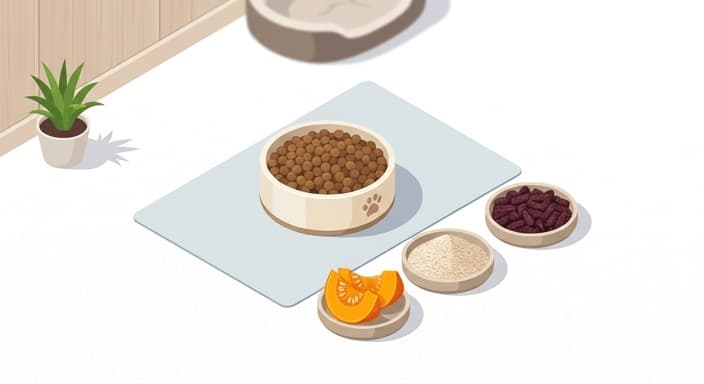
When we look at the ingredient labels on high-quality pet foods, we are often looking for more than just protein percentages; we are scanning for natural, fiber-rich "superfoods." Incorporating specific whole-food sources of fiber can transform a pet’s gut health from mediocre to excellent. Pumpkin is perhaps the most famous, and for good reason: it is rich in soluble fiber and antioxidants. However, it must be plain, cooked pumpkin—never the spiced pie filling, which contains dangerous additives like xylitol or nutmeg.
Another unsung hero is slippery elm bark. As a veterinarian, I often recommend this as a soothing, fiber-rich supplement for pets with acute gastritis or inflammatory bowel disease (IBD). It coats the digestive tract, reduces inflammation, and provides a gentle source of prebiotic fiber that feeds beneficial bacteria without irritating a sensitive gut. For dogs, small amounts of steamed sweet potato or carrots offer excellent beta-carotene and fiber, while for cats, who can be more particular about texture, a tiny amount of psyllium husk mixed into wet food can provide the prebiotic boost needed to stabilize their delicate digestive systems.
Addressing the "Fiber Gap" in Modern Pet Diets
Many commercial diets rely heavily on grain-based fillers that provide "bulk" without the metabolic benefits of complex, fermentable fibers. This leads to what I call the "Fiber Gap"—pets who are technically full but are suffering from microbial malnutrition. The physical manifestation of this gap is often visible: a pet with dull fur, frequent bouts of soft stool, or chronic flatulence. These are not merely inconveniences; they are signs that the microbial ecosystem is out of balance.
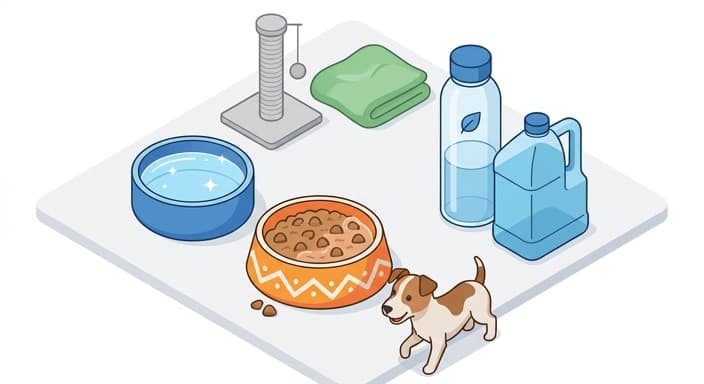
To bridge this gap, pet parents can focus on "fiber-forward" strategies. First, look for diets that list specific fiber sources like chicory root (a fantastic source of inulin), miscanthus grass, or high-quality beet pulp rather than generic "vegetable pomace." Second, consider the hydration factor. Fiber requires water to function; if you increase fiber intake without increasing water intake, you risk the exact constipation you are trying to avoid. Always ensure your pet has constant access to fresh, clean water, and consider adding moisture to their meals to help the fiber do its work efficiently.
Implementing Fiber Safely: A Veterinarian’s Protocol
If you are planning to introduce more fiber into your pet’s diet, the golden rule is "start slow, go slow." The microbiome is a sensitive community; a sudden, massive influx of fiber—even a healthy one like pumpkin—can cause dramatic gas, bloating, and diarrhea. I typically advise my clients to begin with a quarter-teaspoon for small pets or a tablespoon for large dogs, mixed thoroughly into their current meal. Over the course of two weeks, you can gradually increase the dose until you reach the desired effect, usually identified by firm, well-formed, and consistent stools.
It is also vital to recognize when fiber is not the answer. If a pet is experiencing chronic, bloody, or severe diarrhea, or if they appear lethargic or anorexic, do not attempt to "fix" it with fiber. These are medical emergencies that require a diagnostic workup, including fecal exams and blood panels. Fiber is a tool for maintenance, optimization, and preventative health, but it is not a substitute for veterinary diagnosis. Always consult with your primary veterinarian before making significant changes to your pet’s diet, especially if they have a pre-existing medical condition like kidney disease or chronic pancreatitis, where the type and amount of fiber must be carefully managed.
The Path to Long-Term Gut Resilience
The journey toward a healthy gut is a marathon, not a sprint. By prioritizing high-quality natural fiber sources, we are doing more than just managing bowel movements; we are investing in the long-term metabolic health of our pets. A well-nourished microbiome creates a stronger barrier against pathogens, supports the efficient absorption of vitamins and minerals, and fosters a sense of physical well-being that radiates through a pet’s behavior and vitality. As we move away from viewing fiber as a mere filler and embrace its role as a cornerstone of functional nutrition, we empower ourselves to be better advocates for our pets, ensuring they lead lives that are not just long, but deeply comfortable and vibrant.
Common Questions
🤔
Frequently Asked Questions
What makes natural fiber sources more beneficial than synthetic fillers for a pet gut?▼
Natural fiber sources act as prebiotics, nourishing beneficial gut bacteria and promoting production of SCFAs like butyrate, which support colon health and immune function. They provide a spectrum of nutrients and protective antioxidants that isolated fibers often lack. In contrast, synthetic fillers add bulk without supporting microbial diversity or metabolic health. Therefore, prioritizing whole-food fiber sources can yield more robust gut wellness and emotional stability in pets.
How do soluble and insoluble fibers differently affect digestion in pets?▼
Insoluble fiber adds stool bulk and speeds transit, helping with constipation and anal gland issues. Soluble fiber absorbs water, forms a gel, slows digestion, and can help with blood sugar control and sensitive stomachs. Different pets benefit from different ratios; a balanced 'cocktail' of both types is often used to optimize transit time. Examples include insoluble cellulose versus soluble sources like pumpkin and psyllium husk.
Which natural fiber sources are most effective as prebiotics, and how should they be used in a diet?▼
Pumpkin, beet pulp, and psyllium husk are well-regarded natural prebiotic fiber sources that can support gut health. Use plain, cooked pumpkin rather than pie filling with additives. Introduce these fibers gradually and monitor tolerance, adjusting amounts based on pet size and digestive response. For pets with diabetes or sensitive stomachs, consult a veterinarian to tailor fiber choices and doses.
What precautions should owners take when increasing fiber in their pet's diet?▼
Increase fiber gradually to avoid GI upset and flushing of the system. Monitor stools, gas, and overall comfort, and ensure ample fresh water to prevent constipation or bloating. Consider individual health conditions like diabetes, obesity, or anal gland issues when choosing fiber type and amount. Always work with a veterinary professional to tailor the plan to your pet.