Blog4/26/2026
Mental Health Enrichment for Indoor Dogs: Smart Stimulus
6 mins Read
The Briefing
Quick takeaways for the curious
Mental enrichment is not a luxury but a vital therapeutic intervention for indoor dogs, whose sensory environments can become a cognitive desert.
Indoor life often strips away environmental variance, which can dampen problem-solving pathways and elevate stress in dogs.
Olfactory enrichment taps into the canine superpower by prioritizing scent-based activities that calm the heart rate and tire a dog more effectively than some high-energy games.
Transitioning from bowls to enrichment feeding turns eating into a cognitive workout that stimulates dopamine release and a sense of accomplishment.
A dynamic, thoughtfully designed home environment that regularly rotates sniffing opportunities, puzzles, and scent trails helps indoor dogs become cognitively resilient and emotionally fulfilled.
There is a persistent, outdated myth in the modern pet care community that indoor living is the "ideal" state for a dog, assuming that a climate-controlled home and a soft bed are sufficient to ensure a dog’s total well-being. As a veterinarian consultant, I frequently speak with well-meaning pet parents who are surprised to learn that their "well-behaved" indoor dog is actually suffering from a silent epidemic of sensory deprivation, failing to realize that a dog’s mental health is just as essential as their physical fitness. We are finally moving toward a more sophisticated, holistic standard of pet wellness that views mental enrichment not as a luxury or a "nice-to-have" hobby, but as a vital therapeutic intervention, effectively closing the gap between a dog prone to chronic boredom-induced anxiety and one who enjoys a cognitively stimulated, emotionally resilient, and deeply fulfilled life.
The Ethology of the Indoor Dog: Why "Home" Can Be a Sensory Desert
To understand why mental enrichment represents a paradigm shift for our indoor companions, we must first demystify the evolutionary biology of the canine brain. Dogs are not merely domesticated lap-warmers; they are descendants of apex predators designed to navigate complex environments, track changing scents, and solve spatial problems to secure their next meal. When we move these animals indoors, we effectively strip away the "sensory map" their brains are evolved to interpret.
In the wild, a dog’s day is filled with unpredictable stimuli—the rustle of leaves, the shift in wind direction, and the subtle terrain changes underfoot. In a modern home, the environment is static and predictable. This lack of "environmental variance" leads to a phenomenon known as cognitive stagnation. When a dog’s brain is not challenged, the neural pathways associated with problem-solving weaken, while the pathways associated with stress and hyper-vigilance often become overactive. By introducing mental enrichment, we are not just "keeping them busy"; we are providing the necessary neural workouts to keep their brain chemistry in balance, preventing the onset of repetitive behaviors like tail chasing, excessive pacing, or chronic demand barking.
The Power of Olfactory Enrichment: Engaging the Canine Superpower
The most effective way to stimulate a dog’s mind is through their nose—the primary organ of canine perception. While we humans are visual creatures, a dog experiences the world primarily through a complex, layered olfactory landscape. Many indoor dogs are denied the opportunity to fully utilize their olfactory bulbs, which are roughly 40 times larger than those in the human brain.
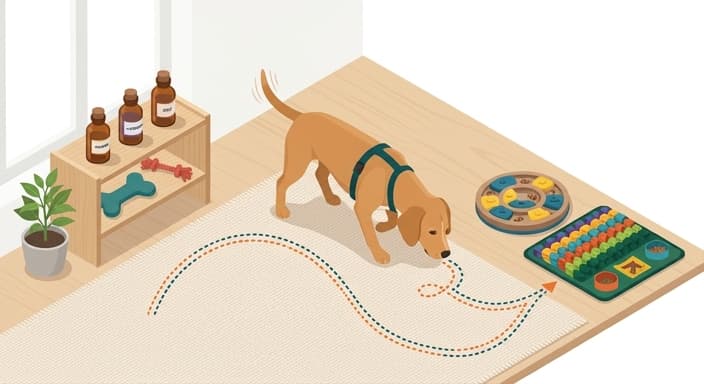
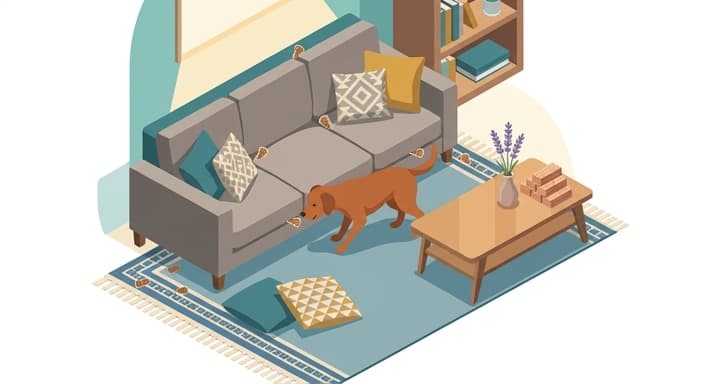
To bridge this gap, pet parents should prioritize "scent-based" enrichment. This doesn't require expensive training kits; it can be as simple as a "sniffari" walk, where you allow your dog to lead the way and sniff every blade of grass without distraction. Indoors, you can replicate this by creating scent trails using diluted essential oils (safe for pets, such as lavender or cedar) or simply hiding high-value treats around the living room for a game of "find it." When a dog spends 15 minutes engaging in active, deep sniffing, it has been shown to lower their heart rate and tire them out more effectively than a 30-minute high-intensity game of fetch. It turns the home into a dynamic, searchable environment rather than a static cage.
Cognitive Load and Problem Solving: Moving Beyond the Food Bowl
The traditional "food bowl" method of feeding is perhaps the greatest missed opportunity in modern dog care. By offering a dog their entire daily caloric intake in a bowl, we remove the "work" of eating—an activity that should take a dog a significant portion of their day. In the wild, foraging and scavenging are the primary drivers of the canine reward system, releasing dopamine and promoting a sense of accomplishment.
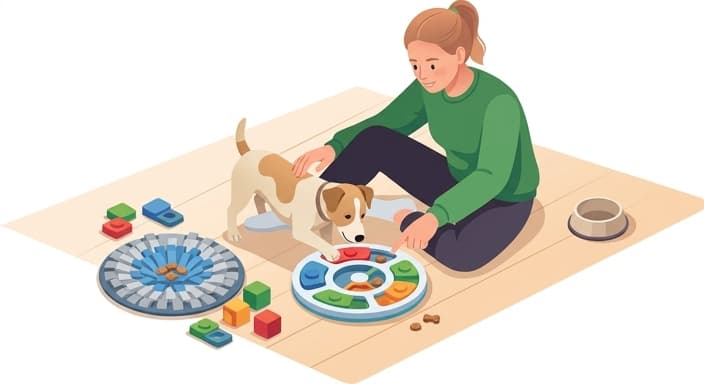
Transitioning to "enrichment feeding" is one of the easiest ways to improve your dog’s mental health. Replace the bowl with puzzles, snuffle mats, or slow-feeders that require the dog to use their paws, nose, and tongue to access their food. For advanced learners, consider DIY puzzles like wrapping kibble in a rolled-up towel or placing treats inside a cardboard box. This shift from "passive consumption" to "active problem-solving" changes the dog’s internal state. Instead of eating out of habit, they are engaging in a task that builds confidence and executive function. When a dog solves a puzzle, they receive a hit of feel-good neurotransmitters that reduce anxiety and promote a calm, sleepy state after the meal is finished.
Rhythmic Movement and Proprioception: The Body-Mind Connection
Mental health in dogs is inextricably linked to their physical awareness, or proprioception. An indoor dog that spends most of its time on flat, carpeted surfaces often loses the ability to navigate uneven terrain or use their body in complex ways. Enrichment that challenges a dog to balance, stretch, or change body positions is a form of "mental gymnastics" that keeps the brain and body in sync.
Simple, low-impact activities like teaching your dog to place their front paws on a sturdy stool, walk over a series of pool noodles on the floor, or navigate a makeshift "agility course" in the hallway can work wonders. These tasks require the dog to focus on where their paws are in relation to their body, which is a high-level cognitive task. When a dog is focused on the mechanics of their movement, they cannot simultaneously dwell on stressors like the sound of a delivery truck or the absence of their owner. This focus acts as a form of "canine mindfulness," grounding the animal in the present moment and building a deeper, more trusting bond with the human who is guiding them through the activity.
Creating a Sustainable Enrichment Routine for the Busy Household
One of the biggest hurdles to implementing enrichment is the fear that it requires hours of extra time each day. However, effective enrichment is about quality, not quantity. A 10-minute session of structured scent work or a 5-minute puzzle-feeding session is often more beneficial than an hour of unstructured "hanging out" on the couch. The goal is to build a "mental menu" that you can rotate throughout the week.
Start by auditing your dog’s day. When are they most restless? Is it when you are on work calls, or perhaps in the evening when you are trying to relax? Use that time to introduce a specific enrichment activity. If you are working, a frozen "toppl" or a stuffed Kong can provide 20 minutes of focused, soothing licking—a behavior that is naturally calming for dogs. By turning enrichment into a habitual part of your daily routine—rather than an "extra" activity reserved for weekends—you create a predictable structure that helps your dog feel safe and understood. Remember that every dog is an individual; observe what makes your dog light up, whether it’s tug-of-war, scent games, or complex puzzles, and lean into those preferences to build a bespoke wellness plan that works for your unique household.
Final Thoughts on Holistic Wellness
Mental enrichment is the foundation upon which a happy, well-adjusted indoor life is built. By moving away from the idea that our dogs are simply "pets" and acknowledging them as sentient, thinking, and feeling individuals with specific biological needs, we can transform our homes into spaces of true growth and contentment. It is not about filling their time with "toys," but about providing meaningful opportunities for them to engage their natural instincts and intellect. As you begin to integrate these practices into your daily life, you will likely find that the destructive behaviors and anxiety you once feared begin to fade, replaced by a dog who is not only physically healthy but mentally vibrant and deeply connected to you.
Common Questions
🤔
Frequently Asked Questions
What is mental enrichment and why does it matter for indoor dogs?▼
Mental enrichment is the purposeful activation of a dog's cognitive and emotional systems through safe, engaging activities. It helps prevent boredom-driven behaviors, reduces anxiety, and supports overall well-being beyond basic exercise or feeding. Indoor dogs especially benefit because their environment is often static and predictable. Regular enrichment creates a more resilient, emotionally balanced companion.
What is a sniffari and how can I implement olfactory enrichment safely at home and on walks?▼
A sniffari is a walk or indoor exploration that prioritizes sniffing over pace or performance, allowing a dog to lead the exploration with their nose. To implement safely, pick low-distraction routes, let the dog decide the pace, and place occasional scent cues or treats along the path. Indoors you can create scent trails with pet-safe scents or hidden goodies to encourage intentional sniffing without rushing.
How can I shift from traditional bowl feeding to enrichment feeding, and what are practical starter ideas?▼
Enrichment feeding uses puzzles, slow feeders, scatter feeding, or hiding food to turn mealtime into problem-solving. Start with a simple puzzle toy for 5-10 minutes or scatter kibble in a few low-distraction locations around a safe area. Rotate toys and introduce new hiding spots to keep the activity fresh, and monitor for frustration to adjust difficulty.
What signs indicate my dog needs more enrichment, and when should I consult a vet?▼
Common signs include pacing, tail chasing, repetitive barking, and reduced interest in play. If these behaviors persist or are accompanied by changes in appetite, sleep, or weight, consult your veterinarian to rule out medical causes and discuss enrichment plans. Mental enrichment should complement medical care, not replace it.