Blog4/23/2026
Safe Dental Care Tips for Dogs: Preventive Oral Health
5 mins Read

The Briefing
Quick takeaways for the curious
Canine dental disease is a systemic health issue, not just a cosmetic concern, and chronic mouth inflammation can affect the heart, kidneys, and liver.
Tartar formation accelerates in dogs due to high-pH saliva and plaque biofilm that penetrates below the gum line, creating pockets where bacteria thrive.
Daily brushing is the gold standard for home care, but desensitization and gradual introduction help most dogs tolerate it.
When brushing isn’t feasible, high-quality alternatives like VOHC-approved chews, dental wipes, and water additives can still support oral health.
Nutrition and chewing texture matter: professional-grade dental diets and fibrous kibble promote mechanical cleaning and stimulate saliva, aiding plaque control.
There is a persistent, outdated myth in the modern pet care community that canine dental health is merely a cosmetic concern, leading many owners to believe that a little "doggy breath" is an inevitable price to pay for pet companionship. As a veterinarian consultant, I frequently speak with worried pet parents who are shocked to learn that periodontal disease is not just about stinky kisses—it is a systemic inflammatory process that can compromise the heart, kidneys, and liver if left unchecked. We are finally moving toward a more sophisticated, preventative standard of pet wellness that views oral care not as an occasional chore, but as a vital therapeutic intervention, effectively closing the gap between a dog prone to chronic infections and one who enjoys a pain-free, vibrant, and long-lasting life.
The Silent Epidemic: Understanding Canine Periodontal Disease
To understand why proactive dental hygiene represents a paradigm shift for our canine companions, we must first demystify the biomechanics of the dog’s oral cavity. Unlike humans, dogs have a high-pH saliva environment that promotes the rapid calcification of plaque into tartar, or calculus. When this biofilm is left undisturbed, it migrates below the gum line, creating deep pockets where anaerobic bacteria thrive. This isn’t just local irritation; it is a gateway for pathogens to enter the bloodstream.
When we talk about dental health, we are really talking about the health of the entire organism. Chronic inflammation in the mouth forces the immune system to remain in a state of constant, low-grade activation. By managing the oral microbiome through consistent home care and professional monitoring, we are essentially protecting the body's internal organs from unnecessary stress. Neglecting this isn't just a lapse in grooming; it is a missed opportunity for life-extending preventative medicine.
The Hierarchy of Home Care: From Brushing to Functional Chews
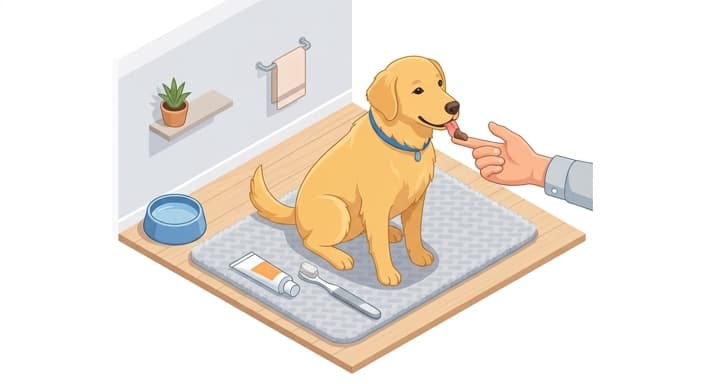
When it comes to home dental care, the "gold standard" remains daily brushing, yet many owners find this daunting. The key to successful brushing is not brute force, but incremental desensitization. Start by simply letting your dog lick a pet-safe, poultry-flavored toothpaste off your finger. Once they associate the taste with a positive experience, move to touching their gums with a soft silicone finger brush, and finally, introduce a soft-bristled toothbrush.
If your dog is truly resistant to brushing, do not despair. The hierarchy of home care includes several effective alternatives. Dental wipes can be used to mechanically remove plaque from the front teeth, while specialized water additives help shift the oral pH to inhibit tartar formation. Furthermore, Veterinary Oral Health Council (VOHC) approved chews and treats are a fantastic adjunct. However, be wary of "dental treats" that are essentially high-calorie fillers. Look for products with the VOHC seal, as these have undergone rigorous clinical testing to prove they actually reduce plaque and calculus accumulation rather than just masking odors.
Nutrition and Mechanical Abrasion: The Power of Texture
We often overlook the role of nutrition in oral health. While dry kibble is sometimes touted as "dental-friendly," the reality is that most kibble shatters upon impact and offers little to no mechanical scrubbing of the tooth surface. In my practice, I recommend considering a professional-grade dental diet if your dog is prone to heavy buildup. These diets are formulated with larger, fibrous kibble shapes that require the dog to actually crunch through the piece, allowing the tooth to penetrate the surface of the food. This creates a "brushing" effect that is far superior to standard diets.
In addition to food choices, the importance of chew time cannot be overstated. Chewing stimulates saliva production, which contains natural enzymes that help neutralize acids and wash away food debris. However, as a vet, I must offer a strong caveat: avoid extremely hard objects like cow hooves, antlers, or dense nylon bones. These are notorious for causing slab fractures—painful, longitudinal cracks in the carnassial teeth that often require extraction. Always opt for rubbery, textured toys that have "give" to them, ensuring they are safe for your dog's enamel.

Recognizing the Red Flags: When Home Care Isn't Enough
Even with the most dedicated home routine, some dogs require professional intervention. It is crucial to recognize that by the time you notice bad breath (halitosis), significant disease is likely already present. Other subtle signs include dropping food, avoiding hard toys, excessive drooling, or unilateral chewing—where the dog favors one side of the mouth due to pain.
A professional veterinary dental cleaning is a medical procedure, not a "spa day." It requires general anesthesia to allow for full-mouth radiographs, which are the only way to see what is happening under the gum line. I hear many owners express fear regarding anesthesia, but it is important to balance that fear against the reality of chronic, untreated dental pain. Modern veterinary anesthesia is incredibly safe, and the benefit of addressing a painful tooth abscess or a resorptive lesion far outweighs the temporary risks of the procedure.
Building a Lifelong Dental Protocol
Creating a sustainable dental routine requires consistency rather than perfection. You don’t need to be a professional groomer to make a significant difference in your dog’s oral health; you just need to be a consistent observer. Start by checking your dog's mouth weekly. Lift the lips and look for red, swollen, or bleeding gums. Take note of any loose teeth or persistent yellow-brown buildup. If you can establish this simple check-in as a part of your weekly bonding time, your dog will become accustomed to the handling, making professional exams much less stressful for both of you.
Remember that you are your dog’s primary advocate. By integrating oral hygiene into your daily routine, you are doing far more than just ensuring fresh breath—you are investing in their cardiovascular health, supporting their immune system, and ensuring that they can enjoy their meals and playtime for many years to come. Dental care is a journey, not a destination, and every small step you take toward better oral hygiene is a profound act of love for your companion.
Common Questions
🤔
Frequently Asked Questions
What is the real risk of canine dental disease beyond bad breath?▼
Canine dental disease is more than a nuisance; it is a chronic inflammatory process that can set off systemic stress. Over time, the bacteria and toxins from infected gums can enter the bloodstream and affect organs such as the heart, kidneys, and liver. This link makes proactive dental care an essential part of preventive medicine, not a cosmetic concern. Regular exams and consistent home care can help extend your dog's healthy, pain-free life.
How can I start a safe and effective home dental care routine for my dog?▼
Begin with desensitization: let your dog lick poultry-flavored toothpaste from your finger to create a positive association. Gradually move to a silicone finger brush, then a soft-bristled toothbrush, using gentle, patient steps. If brushing remains challenging, incorporate wipes, VOHC-approved chews, and water additives as supportive tools. Remember to choose products with the VOHC seal and avoid high-calorie dental treats that do not meaningfully reduce plaque.
Is dry kibble truly dental-friendly, and how should diet factor into dental care?▼
Dry kibble is not a reliable substitute for brushing; many kibbles crumble without cleaning the tooth surface and may give owners a false sense of security. Professional-grade dental diets with larger, fibrous shapes encourage chewing and create a 'brushing' effect on the tooth. For dogs prone to heavy tartar, these diets can be a useful adjunct to brushing and other hygiene practices. Pair nutritional choices with regular professional guidance to maximize oral health.
What dental aids and precautions should I consider using?▼
Use VOHC-approved chews and dental wipes to mechanically reduce plaque when brushing isn’t possible, and incorporate water additives to help stabilize oral pH. Be wary of dental treats that are mainly high-calorie fillers and may not reduce plaque. Look for the VOHC seal on products to ensure there is evidence of plaque and calculus reduction. Finally, prioritize regular professional monitoring and cleanings as part of a comprehensive preventive plan.