Blog4/25/2026
Calming Enrichment Activities for Anxious Dogs: A Guide
7 mins Read
The Briefing
Quick takeaways for the curious
Calming enrichment reframes canine anxiety as a physiological state that can be mitigated through structured, science-backed activities rather than punishment.
Enrichment works by engaging the dog's natural behaviors, releasing calming neurochemicals, and guiding the dog toward self-soothing to down-regulate arousal.
Olfactory enrichment leverages the dog's highly developed sense of smell to ground them in the present and promote slower, steadier breathing.
Scent games and licking/chewing provide mental fatigue and cognitive engagement that can be as effective as longer physical exercise for reducing stress.
Implementing a thoughtful enrichment plan can bridge the gap between chronic stress and calm, helping anxious dogs express innate behaviors in healthier ways.
There is a persistent, outdated myth in the modern pet care community that canine anxiety is a behavioral "choice" or a sign of poor training, and that the only way to manage a stressed dog is through strict discipline or total avoidance of triggers. As a veterinarian consultant, I frequently speak with devoted pet parents who feel trapped by their dog’s reactive behavior, failing to realize that anxiety is a physiological state of hyperarousal that can be significantly mitigated through the science of enrichment. We are finally moving toward a more sophisticated, compassionate standard of pet wellness that views calming enrichment not as a "distraction," but as a vital therapeutic intervention, effectively closing the gap between a dog trapped in a cycle of constant stress and one who is empowered to find a state of calm, balanced equilibrium through the natural expression of their innate behaviors.
The Neurobiology of Enrichment: Why Calming Matters
To understand why enrichment represents a paradigm shift for our anxious companions, we must first demystify the biomechanics of the canine brain. When a dog experiences stress, the amygdala—the brain’s alarm system—fires, releasing a cascade of cortisol and adrenaline. In an anxious dog, this system is often stuck in the "on" position. Enrichment, specifically activities that focus on olfactory stimulation and rhythmic, repetitive behaviors, acts as a biological "reset" button.
When a dog engages in scent work or intensive licking, they are not just "playing"; they are physically altering their internal chemistry. Licking and gnawing, for instance, trigger the release of endorphins and dopamine, which have a naturally sedative effect on the nervous system. By shifting a dog's focus from a perceived external threat to a task that requires cognitive engagement, we effectively "down-regulate" their heart rate and respiration. This is the physiological foundation of self-soothing. When we provide structured outlets for these natural behaviors, we aren't just keeping them busy—we are providing them with the tools to regulate their own internal emotional state.
The Power of Olfactory Enrichment: Following the Nose
The canine brain is dominated by the olfactory bulb, which is roughly 40 times larger than that of a human. While we navigate the world through sight, dogs experience life through scent. For an anxious dog, the world can feel overwhelming and unpredictable, but engaging their nose forces them to ground themselves in the "here and now." Sniffing is a rhythmic activity that encourages a slower, more deliberate breathing pattern, which directly counters the shallow, rapid breathing associated with panic.
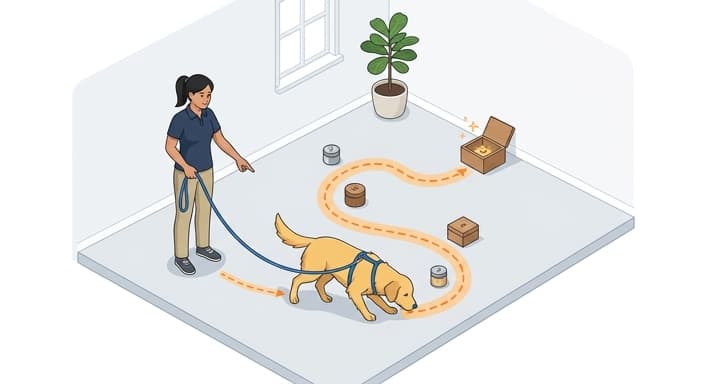
One of the most effective ways to leverage this is through the "sniffari" or the implementation of scent games at home. A simple indoor hide-and-seek game with high-value treats can transform a high-strung dog into a focused seeker. Start by placing small, pungent treats around a quiet room while your dog waits patiently. When given the cue, allow them to hunt. Because the process of tracking a scent requires significant mental processing power, it serves to divert the brain away from the sympathetic nervous system’s fight-or-flight response. Even ten minutes of dedicated scent work can be as mentally exhausting as a thirty-minute walk, providing a deep sense of satisfaction and fatigue that settles the mind.
Licking and Chewing: The Anatomy of Self-Soothing
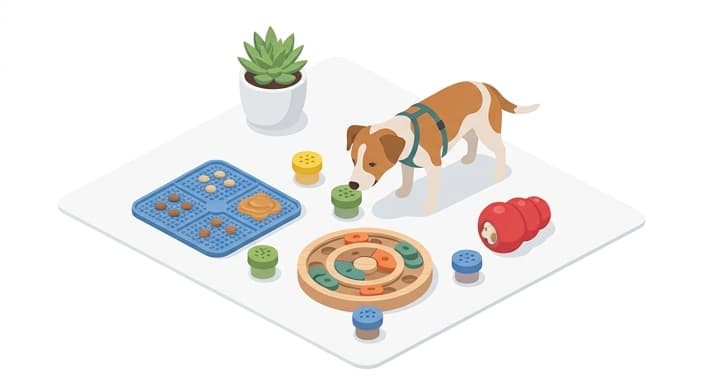
In the veterinary world, we often refer to licking as a "calming signal." Puppies learn to self-soothe through nursing, and this neural pathway remains hardwired into adulthood. When a dog licks a textured surface—such as a silicone lick mat, a frozen stuffed Kong, or a natural chew—they engage in repetitive motion that lowers their heart rate. This is not just a way to keep them occupied; it is a therapeutic release of tension.
For dogs with separation anxiety or those who struggle with thunderstorms, the secret lies in the texture of the enrichment. Soft, spreadable treats like low-sodium plain yogurt, pumpkin puree, or xylitol-free peanut butter layered onto a lick mat provide a long-lasting, low-intensity activity. For the more enthusiastic chewer, durable rubber toys designed to be frozen can turn a five-minute snack into a forty-minute calming session. The act of gnawing on a firm, safe item provides proprioceptive feedback, helping the dog feel more secure in their physical space. I always advise owners to ensure these items are size-appropriate and made of non-toxic materials to prevent accidental ingestion, as the goal is to induce calm, not to create a secondary emergency.
Creating a Decompression Zone: The Environment Matters
Even the best enrichment activities will fail if the environment itself is a source of constant, low-level stress. For an anxious dog, we must create a "decompression zone"—a safe, quiet sanctuary where they know they will not be disturbed. This space should be equipped with the tools mentioned above, but it must also be physically buffered from triggers. If your dog is reactive to the mail carrier, for example, their enrichment station should not be near the front door.
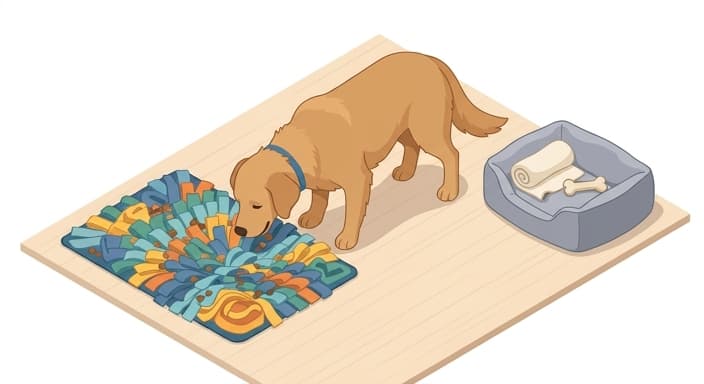
A successful decompression zone often incorporates visual barriers, such as opaque window film or a white noise machine, to dampen the external stimuli that trigger the amygdala. Within this space, incorporate "quiet" enrichment like snuffle mats. These fabric mats mimic the experience of foraging through long grass, allowing the dog to use their natural rooting instinct. The beauty of the snuffle mat is that it is inherently quiet and slow-paced. Unlike high-energy play, which can sometimes spike adrenaline, foraging is a low-arousal activity that invites the dog to settle into a resting position. Once the dog has successfully foraged for their meal or treats, they are much more likely to transition naturally into a nap, completing the cycle of stress recovery.
Structuring the Routine: Consistency as an Anchor
Anxiety often thrives on unpredictability. A dog that never knows when they will get to exercise, when they will eat, or when they will be left alone is a dog that is constantly scanning for the next disruption. Integrating enrichment into a daily routine serves as an "anchor" for their day. By providing a predictable window for these calming activities, you are signaling to your dog that their needs will be met and that there is a time and place for mental engagement.
I often recommend to clients that they use enrichment as a tool to bridge the transitions in their own schedules. If you know you are heading out for work, offer an enrichment toy stuffed with a frozen long-lasting treat just before you leave. This creates a positive association with your departure, shifting the dog’s emotional state from "my human is abandoning me" to "my human is providing me with a rewarding activity." Over time, this helps to rewire the dog's anticipation of being alone.
It is important to remember that enrichment is not a one-size-fits-all endeavor. Some dogs are visual learners who thrive on puzzle toys, while others are tactile seekers who prefer the steady resistance of a chew. As a pet parent, your role is that of a quiet observer. Watch how your dog approaches these tasks. Does their breathing slow down? Do they settle into a prone position? If they seem to get more frustrated or agitated by a particular puzzle, simplify the challenge. The goal is to provide a "win" that allows them to feel capable and in control of their environment, rather than a task that induces further stress.
A Path Toward Long-Term Emotional Resilience
Moving from managing anxiety to actively building resilience is a journey that requires patience, observation, and a willingness to step away from traditional, restrictive training methods. By understanding the neurobiology of your dog, you can move past the frustration of their behaviors and begin to treat the underlying source of their distress. Calming enrichment is not merely a distraction for the bored or a treat for the "good" dog; it is a fundamental pillar of modern veterinary behavioral health.
When we provide our dogs with the opportunity to engage their natural senses—to sniff, to forage, to lick, and to chew—we are honoring their biological heritage while providing them with the emotional security they need to navigate our complex human world. Through these intentional, calming practices, we can effectively dial down the noise of their anxiety, helping them to find the quiet confidence that every dog deserves. As you begin to implement these changes, you will likely find that the benefits extend far beyond the activities themselves, fostering a deeper, more trusting bond between you and your companion that is built on mutual understanding and shared tranquility.
Common Questions
🤔
Frequently Asked Questions
What is calming enrichment, and why is it beneficial for anxious dogs?▼
Calming enrichment refers to a set of activities designed to reduce arousal by engaging the dog's senses and instinctual behaviors, not through punishment or distraction. It helps by providing a biological reset via endorphins and dopamine, and it promotes slower, steadier breathing and self-soothing. This approach complements veterinary care and behavior guidance, rather than replacing it. Start with simple, low-stress tasks and gradually increase difficulty as the dog builds confidence.
Where should I start with olfactory enrichment at home?▼
Begin with indoor scent-based activities that ground the dog in the present, such as simple scent games or hide-and-seek with treats in easy-to-reach places. Use high-value rewards and keep sessions short to maintain engagement without triggering frustration. Gradually increase the difficulty by adding more challenging hiding spots or longer search times. Always observe your dog's breathing and body language and end sessions on a calm note.
Can licking and chewing be used for all dogs, or are there cautions?▼
Most dogs benefit from repetitive licking or chewing as a calming outlet, but supervision is essential to prevent ingestion of unsafe materials or furniture. Choose safe, dog-friendly items like silicone lick mats, frozen chews, or natural chews, and monitor for wear or damage. If a dog has dental issues, GI sensitivities, or a history of pica, consult a veterinarian before implementing these activities. Start with brief sessions and gradually increase as the dog demonstrates calm behavior.
Is calming enrichment a substitute for veterinary treatment or behavior modification?▼
No. Calming enrichment is a complementary strategy that supports nervous systems and reduces stress, but it should be integrated with professional veterinary advice and evidence-based behavior modification. It can improve outcomes and quality of life, but persistent or severe anxiety may require medical evaluation or specialized training. Regular monitoring and adjustment are key to ensuring safety and effectiveness.