Blog3/10/2026
Training Tips for Reactive Dogs: Compassionate Vet Guide
8 mins Read
The Briefing
Quick takeaways for the curious
Reactive behavior stems from fear, frustration, or overstimulation, not defiance, so empathy and controlled exposure are essential to progress.
In red-zone moments, the brain floods with adrenaline and cortisol, making traditional listening nearly impossible; training should prioritize arousal reduction and staying under threshold.
The threshold framework (Green, Yellow, Red) guides practical training, with most learning occurring in the Yellow Zone just beneath escalation.
Distance is a powerful training tool; systematically increasing distance from triggers helps keep the dog in Green or Yellow and enables safe, effective learning.
A welfare-first, consistency-heavy approach—favoring rewards and avoidance of punishment—yields sustainable improvements and should be guided by veterinary or behavioral professionals when needed.
Navigating the Storm: A Veterinarian’s Compassionate Guide to Training Your Reactive Dog
It starts with a stiffened posture, a low growl, or a sudden, frantic lunging at the end of the leash—a moment where your once-calm companion seems to vanish, replaced by a whirlwind of vocalizations and stress. Reactive behavior is one of the most misunderstood and emotionally taxing challenges for pet parents, yet it is rarely an act of defiance. Instead, it is a window into a dog’s internal struggle, a survival mechanism triggered by fear, frustration, or overstimulation that requires our empathy more than our correction.
The Biology of the "Red Zone": Why Dogs React
To effectively help a reactive dog, we must first understand what is happening inside their nervous system. Reactivity is an umbrella term used to describe dogs who overreact to normal environmental stimuli, such as other dogs, bicycles, or strangers. Biologically, when a reactive dog encounters a "trigger," their brain bypasses the rational cortex and heads straight for the amygdala—the primitive center responsible for the "fight, flight, or freeze" response. In this state, the dog is flooded with adrenaline and cortisol, making it physically impossible for them to "listen" or "obey" in the traditional sense.
Historically, many of the breeds we see struggling with reactivity today were selectively bred for their hyper-awareness. For instance, the German Shepherd was designed for patrol and boundary guarding, requiring a high level of sensitivity to environmental changes. Similarly, the Shetland Sheepdog was bred to alert crofters to any movement on the horizon. In a quiet, rural setting, these traits were assets. However, in our modern, densely populated urban environments, this biological hardwiring can lead to sensory overload. When we ask a dog with a high "alert" drive to walk down a busy city sidewalk, we are essentially asking a high-performance radar system to ignore every blip on its screen.
Redefining the Threshold: The Art of Distance and Observation
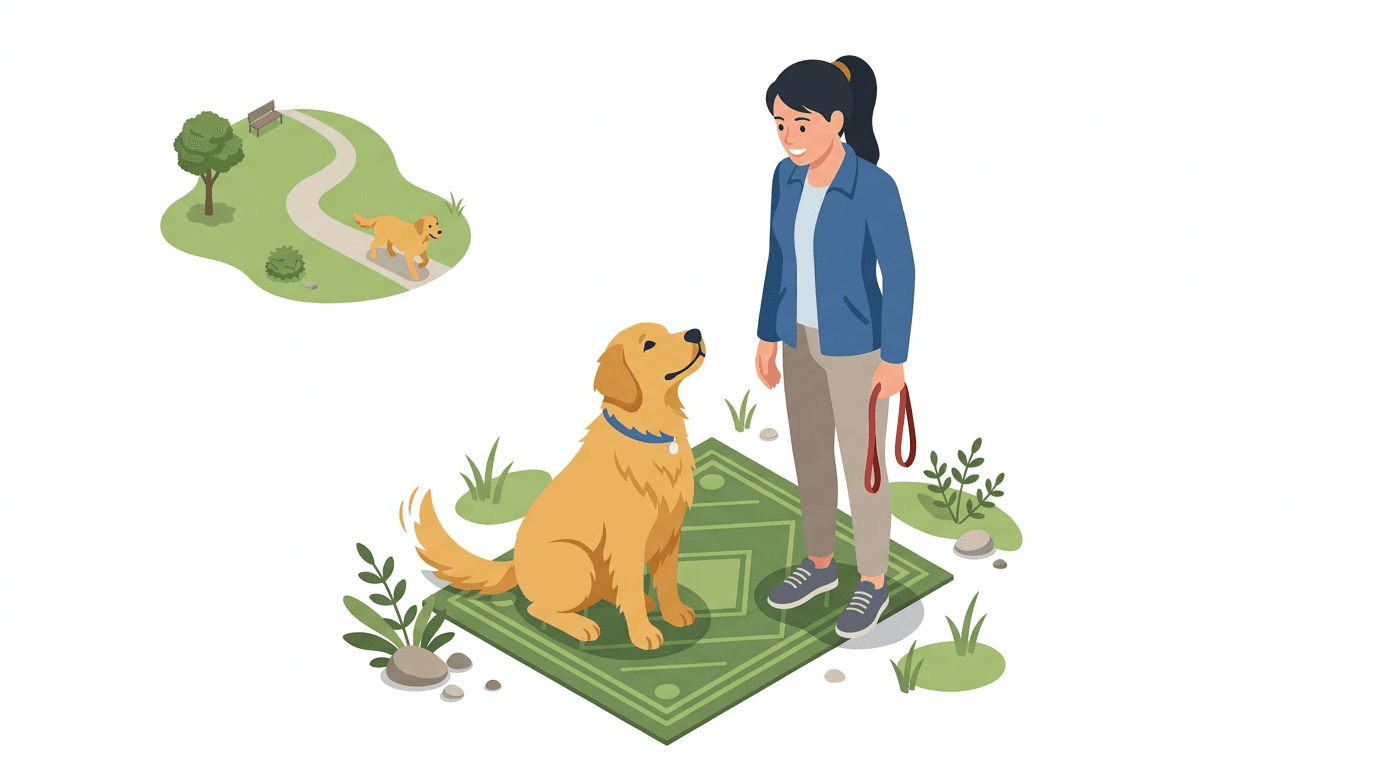
One of the most critical concepts in reactivity training is the threshold. Think of the threshold as an invisible line. On one side, your dog is aware of a trigger but can still take treats and follow cues (the "Green Zone"). On the other side, the dog has "blown their top" and is lunging or barking (the "Red Zone"). The space in between, where the dog is alert but not yet exploding, is the Yellow Zone, and this is where the most profound learning happens.
As a veterinarian, I often see owners trying to train their dogs while they are already in the Red Zone. At this point, the brain is "offline." To see real progress, you must increase the distance between your dog and the trigger until they can remain under threshold. This might mean standing 50 feet away from a dog park rather than walking past it. By working in this "sub-threshold" space, you allow the dog’s nervous system to remain calm enough to form new, positive associations. We use a technique called Desensitization, which involves gradual exposure to the trigger at an intensity so low that it doesn't provoke a full-blown reaction.
Rewiring the Brain: The Power of Counter-Conditioning
Once we have established a safe distance, we move to Counter-Conditioning. This is the process of changing the dog’s emotional response to a trigger. If your dog sees a stranger and expects something scary to happen, their reaction is defensive. Our goal is to change that internal monologue to: "Oh, look! A stranger! That means I’m about to get a piece of boiled chicken!"
A popular and highly effective method is the "Look at That" (LAT) game, developed by trainer Leslie McDevitt. In this exercise, you reward your dog for simply looking at the trigger and then looking back at you. This gives the dog a "job" to do when they feel nervous and teaches them that they can observe the world without needing to react to it. Over time, the sight of the trigger becomes a cue for the dog to check in with their handler. It is vital to use high-value rewards—think small pieces of steak, cheese, or freeze-dried liver—that the dog only gets during reactivity training. This creates a powerful biological association that can eventually override the fear response.
Management vs. Training: Creating a Safety Net
While we work on long-term training, we must also utilize management strategies to prevent the "reactivity muscle" from getting stronger. Every time a dog lunges and barks, and the "scary" thing moves away (even if the person was just walking past), the dog feels successful. They believe their barking drove the threat away, which reinforces the behavior.
Effective management includes:
- Visual Blockers: Using window film at home so the dog can't "fence fight" with passersby.
- Strategic Walking Times: Walking during off-peak hours to minimize unexpected encounters.
- The "U-Turn" Cue: Teaching a cheerful, rapid 180-degree turn so you can exit a situation before your dog hits their threshold.
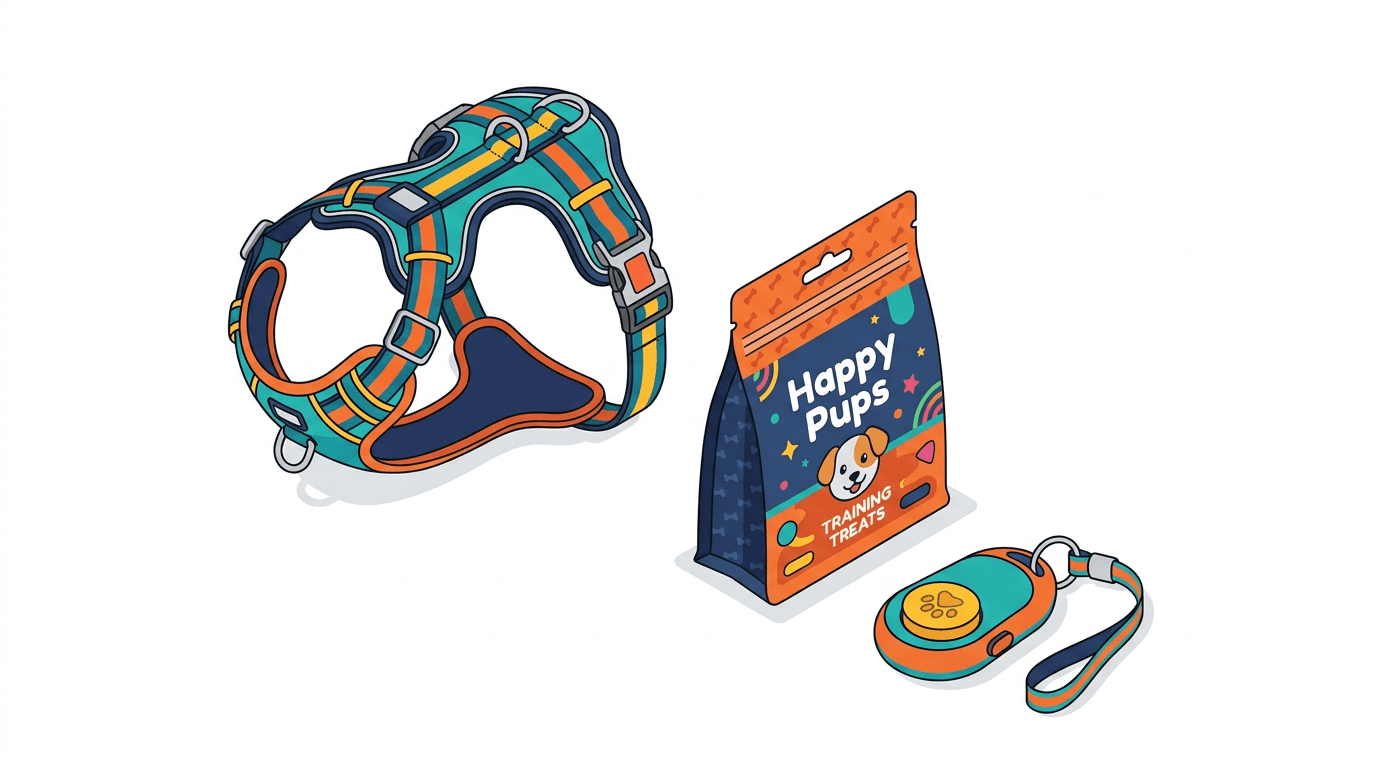
- Proper Gear: Using a well-fitted front-clip harness or a fixed-length leash. I strongly advise against retractable leashes for reactive dogs, as they offer zero control and can actually increase a dog’s anxiety by creating constant, unpredictable tension.
The Human Element: Managing Your Own Leash Tension
It is often said that the leash is a telegraph wire, and as a veterinarian, I find this to be profoundly true. Dogs are masters at reading human physiology. When you see a "trigger" approaching, your heart rate increases, your breath shallowing, and you likely tighten your grip on the leash. Your dog feels that tension—both physical and emotional—and views it as confirmation that there is indeed something to be afraid of.
To break this cycle, handlers must practice "Active Relaxation." This involves conscious deep breathing and keeping a "J-loop" in the leash. If you must move your dog away, try to do so with a gentle, sweeping motion rather than a sharp jerk. This communicates to your dog that you are in control of the situation and that they don't need to take on the role of protector. Remember, your goal is to be a supportive coach, not a stern drill sergeant.
When Love Isn’t Enough: The Role of Veterinary Intervention
Sometimes, despite the best training and management, a dog’s baseline anxiety is simply too high for them to learn. In these cases, it is important to consult with a veterinarian or a Board-Certified Veterinary Behaviorist. We often look for underlying medical issues; for example, a dog in chronic pain from hip dysplasia or an undiagnosed hypothyroidism condition may have a much lower tolerance for environmental stress.
If medical issues are ruled out, we might discuss behavioral medications. Medications like Fluoxetine (Prozac) or Sertraline are not "sedatives"; rather, they help to raise the dog’s threshold and "lower the volume" of their anxiety. This creates a window of opportunity where training can actually take hold. Think of medication as a life jacket—it keeps the dog’s head above water so they can finally learn how to swim. Additionally, supplements containing L-theanine or Calming Pheromones (DAP) can provide a gentle layer of support for dogs with mild reactivity.
Key Takeaways for Managing Reactivity
- Reactivity is Emotional: It is a fear-based or frustration-based response, not "bad" behavior or dominance.
- Identify Triggers: Keep a journal to track what sets your dog off (dogs, bikes, hats, etc.).
- Respect the Threshold: Always train at a distance where your dog can still focus on you.
- High-Value Rewards: Use "jackpot" treats that are reserved exclusively for training sessions.
- Avoid Punishment: Using prong collars or shock collars on a reactive dog often backfires by increasing the dog’s negative association with the trigger.
- Master the U-Turn: Have an "escape plan" for every walk to avoid "Red Zone" explosions.
- Check the Leash: Keep the leash loose whenever possible to avoid "telegraphing" your own anxiety.
- Be Patient: Progress with reactivity is rarely linear; expect "two steps forward, one step back."
- Consult Professionals: Don't hesitate to reach out to a force-free trainer or a veterinarian if you feel overwhelmed.
A Journey of Trust and Resilience
Training a reactive dog is perhaps one of the most demanding tasks a pet owner can face, but it is also one of the most rewarding. It forces us to slow down, to observe the world through our dog’s eyes, and to develop a level of communication that most owners never achieve. When you finally reach that moment where a "scary" dog passes by and your companion looks up at you with a wagging tail instead of a bark, you realize that you haven't just trained a behavior—you have healed a heart.
Your dog isn't trying to give you a hard time; they are having a hard time. By standing by them with patience, high-value treats, and a calm spirit, you are proving to them that the world is a much safer place than they ever imagined. This journey of rehabilitation builds a bond of steel, forged in the fires of shared challenges and cooled by the quiet victories of a peaceful walk in the park. Keep breathing, keep rewarding, and remember that you and your dog are a team, navigating the world one paw print at a time.
Common Questions
🤔
Frequently Asked Questions
What causes reactive behavior in dogs and how can training help?▼
Reactive behavior is often a fear- or frustration-driven response, not defiance, triggered by specific stimuli like other dogs or loud noises. The amygdala drives fight, flight, or freeze in these moments, flooding the body with hormones that impede learning. Training works by reducing arousal and teaching responses in sub-threshold situations, using distance, calm cues, and rewards to build new associations over time.
How do I use the threshold zones (Green, Yellow, Red) when training a reactive dog?▼
Think of thresholds as learning lanes: Green Zone means your dog can notice triggers, still take treats, and follow cues; Yellow Zone is the safe learning space just below escalation; Red Zone is when the dog is overwhelmed and learning stops. Effective training keeps the dog in Green or Yellow by adjusting distance and exposure, so responses are trainable rather than reactions. Progress comes from maintaining controllable arousal and reinforcing cued behaviors with rewards.
What are practical tips to train a reactive dog at home?▼
Start by identifying triggers and maintaining a larger-than-expected distance to keep the dog in sub-threshold zones. Practice brief, frequent sessions that pair low-arousal exposure with high-value rewards, gradually increasing complexity as tolerance grows. Use desensitization and counterconditioning where possible, and keep safety at the forefront by managing environments and routines. If medical issues or pain could be contributing, consult a veterinarian to tailor a plan.
Should I punish my reactive dog or use corrections?▼
Punishment or corrections in the heat of reactivity are counterproductive and can worsen arousal and fear. Prioritize management, calm, reward-based training, and strategies that keep the dog under threshold. Seek veterinary or behavior-professional guidance to customize a plan, and use environmental controls to prevent escalation while you build long-term resilience.