Blog4/29/2026
Calm Enrichment Routines for Anxious Dogs: A Holistic Guide
6 mins Read
The Briefing
Quick takeaways for the curious
Calm enrichment reframes anxious dogs as needing quiet, foraging-style activities rather than simply exhausting them with high-energy exercise.
Understanding the physiology shows that shifting from the sympathetic fight-or-flight response to a parasympathetic rest-and-digest state is achieved through decompressing activities that engage the nose and mouth.
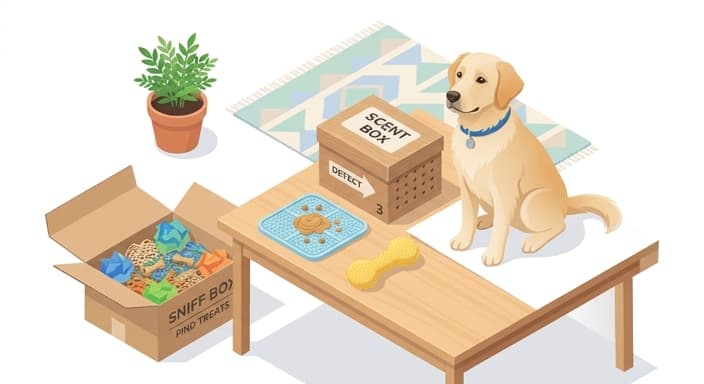
Olfactory stimulation is a powerful calming tool: sniffing is cognitively demanding and helps burn nervous energy without cardiovascular strain, especially when using sniffari or scent boxes.
Licking and chewing provide natural endorphin release and grounding, but you should choose soft-challenge items to avoid frustration and steer away from hard bone chews.
Practical home routines include outdoor sniffing sessions where the dog leads, and indoor scent boxes or trails that promote solitary, self-paced work to build neurological resilience.
There is a persistent, outdated myth in the modern pet care community that an anxious dog is simply a "high-energy" dog, leading many owners to believe that exhaustion through high-intensity exercise is the only way to manage behavioral distress. As a veterinarian consultant, I frequently speak with well-meaning pet parents who are surprised to learn that forced, repetitive exercise often increases cortisol levels rather than reducing them, inadvertently keeping their dogs in a state of hyper-arousal. We are finally moving toward a more sophisticated, holistic standard of pet wellness that views calm enrichment not as a luxury or a "pacifier," but as a vital therapeutic intervention, effectively closing the gap between a dog prone to chronic stress and one who possesses the neurological resilience to navigate our complex human world.
The Physiology of Calm: Why Enrichment Must Be Quiet
To understand why calm enrichment represents a paradigm shift for our canine companions, we must first demystify the canine stress response. When a dog is anxious, their sympathetic nervous system—the "fight or flight" mechanism—is constantly primed. Many popular activities, such as repetitive ball throwing or high-speed agility training, actually trigger the release of adrenaline and dopamine, which can make an anxious dog feel more frantic rather than more relaxed. True mental health for a dog comes from "decompressing" activities that engage their primary sensory systems—nose and mouth—without triggering an excitement spike.
By focusing on enrichment that mimics natural foraging behaviors, we allow a dog to tap into their parasympathetic nervous system, which promotes "rest and digest" states. This is the biological equivalent of a meditation practice for your pet. When a dog uses their olfactory senses to track scents or their jaw to gnaw through a challenging treat, their heart rate slows and their brain chemistry shifts toward stability. This isn't just about keeping them busy; it is about teaching the brain how to disengage from the environment and find safety in solitary work.
Olfactory Stimulation: The Power of the Sniff
The most potent tool for calming an anxious dog is already located right at the end of their face. A dog’s sense of smell is roughly 10,000 to 100,000 times more acute than a human’s, and the portion of their brain devoted to analyzing odors is 40 times larger. When a dog sniffs, they are performing complex cognitive work that requires significant energy and focus, effectively "burning off" nervous energy without the cardiovascular strain of a run.
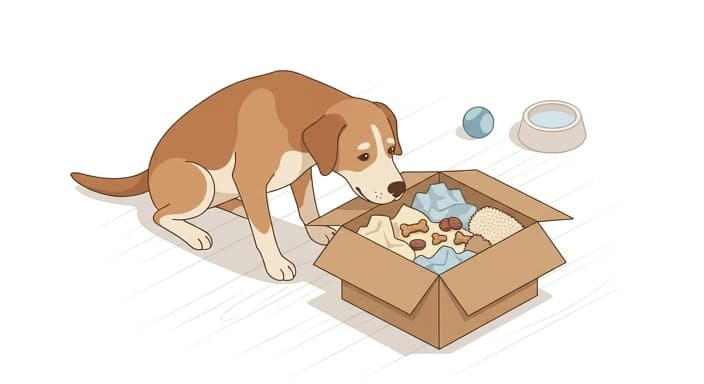
To implement this at home, start with "sniffari" sessions or scent-based enrichment. Instead of a fast-paced walk around the block, take your dog to a quiet patch of grass and let them lead. Let them sniff every blade, every leaf, and every tree trunk for as long as they like. Indoors, you can replicate this by creating a "sniff box"—a cardboard box filled with crumpled paper, toilet paper rolls, and safe packing material, with small, high-value treats hidden inside. The objective is to encourage them to use their nose to hunt. As they spend time sniffing, you will notice their breathing deepen and their body language soften. This is the transition from external hyper-vigilance to internal calm.
The Role of Licking and Chewing in Emotional Regulation
Licking and chewing are biologically hard-wired soothing behaviors for dogs. When a dog licks—whether it is a lick mat, a frozen Kong, or a long-lasting chew—they release endorphins, which are the body’s natural feel-good chemicals. This rhythmic, repetitive action is incredibly grounding for a nervous dog, much like a comfort object is for a human child.
However, the key here is to select the right medium. For a dog that is already exhibiting signs of anxiety, avoid hard, bone-crushing chews that might lead to frustration if they can’t make progress. Instead, opt for "soft-challenge" items. Silicone lick mats smeared with plain, xylitol-free Greek yogurt, pumpkin puree, or mashed banana are excellent starting points. If your dog is a heavy chewer, look for natural, digestible chews like bully sticks or dehydrated sweet potato chews. The goal is to provide a task that requires focus but guarantees success. By ensuring the dog reaches the treat at the end, you build their confidence. When a dog feels they have "solved" their environment through their own efforts, their anxiety levels drop significantly, replaced by a sense of satisfaction and completion.
Designing a Decompression Zone
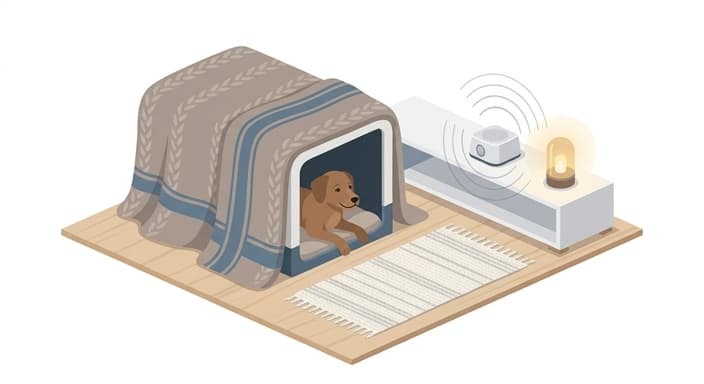
Even the most relaxed dog needs a place where they feel completely untouchable. For an anxious dog, this is non-negotiable. Many owners make the mistake of leaving their dog’s bed in a high-traffic area, such as the living room or near the front door, thinking the dog wants to be "in the mix." In reality, a dog with generalized anxiety needs a "den"—a quiet, low-stimulus sanctuary where they know they will never be disturbed by a passing child, a vacuum cleaner, or a ringing doorbell.
Your decompression zone should be equipped with calming enrichment tools, such as a pheromone diffuser (like those containing Adaptil) and a variety of textures. This is where you should offer the most challenging enrichment tasks. By pairing the "safe space" with "calm tasks," you create a strong neurological association between being alone and feeling safe. Over time, the environment itself becomes a trigger for relaxation. If your dog is crate-trained, ensure the crate is covered to create a darker, burrow-like atmosphere. If not, a quiet corner in a spare bedroom or a dedicated playpen works just as well. The presence of calming white noise or classical music—which studies have shown to lower heart rates in shelter dogs—can be the final piece of the puzzle in turning a high-strung pet into a settled, content family member.
Consistency and the "Less is More" Philosophy
One of the most common mistakes I see in behavioral consultations is the "over-enrichment" trap. We often think that because enrichment is good, more must be better. We overwhelm our dogs with complicated puzzle toys, constant training sessions, and back-to-back activities. For an anxious dog, this is counterproductive. Anxiety management is about predictability and simplicity.
Establish a "calm routine" that your dog can anticipate. Perhaps it is a gentle 15-minute sniff walk in the morning, followed by a lick mat after breakfast, and a quiet, dark-room settling period in the afternoon. When the dog knows exactly what to expect, their need to monitor the environment for "threats" decreases. You are essentially replacing their anxiety with a predictable, rewarding structure. If you notice your dog becoming agitated during an enrichment session, don't force them to finish. Simply remove the item and offer them a quiet place to retreat. The goal is never to exhaust them, but to help them regulate their internal state. By choosing quality over quantity, you give your dog the greatest gift of all: the ability to exist peacefully within their own skin.
Ultimately, managing anxiety in dogs is a journey that requires patience, observation, and a willingness to step back from our human-centric ideas of "play." By focusing on the biological foundations of calm—scent, rhythmic movement, and secure environments—we honor our dogs' evolutionary needs while providing them with the stability they crave. As you integrate these practices, remember that progress is rarely a straight line; some days will be quieter than others, and that is perfectly normal. With a consistent, gentle approach, you will find that the bond you share with your dog deepens, moving from a relationship defined by worry to one anchored in quiet, mutual trust.
Common Questions
🤔
Frequently Asked Questions
What is calm enrichment and why does it matter for anxious dogs?▼
Calm enrichment is a set of activities designed to engage a dog’s sensory systems in a way that promotes relaxation and neural regulation rather than arousal. It emphasizes decompression, foraging-style tasks, and solitary work that activates the parasympathetic system. This approach treats anxiety as a wellness issue where resilience can be built over time, not just something to suppress with punishment or exhaustion.
How does smelling and sniffing help calm a nervous dog?▼
The sense of smell is vastly more acute in dogs, and sniffing requires cognitive focus that can burn nervous energy without stressing the heart. When dogs sniff, they typically slow their breathing and show softer body language, moving toward a rest-and-digest state. Practical implementations include sniffari excursions and scent boxes with hidden treats that reward careful, quiet investigation.
What are good at-home sniffing activities I can start today?▼
Start with quiet outdoor sniffing where the dog leads the pace and chooses where to sniff. Indoors, create a sniff box filled with safe materials and hide high-value treats to encourage nose work. Keep sessions short and gentle, and observe signs of relaxation such as slower breathing and a loose mouth, gradually increasing complexity as the dog grows more comfortable.
What role do licking and chewing play, and what should I offer?▼
Licking and chewing are grounding behaviors that release endorphins and help regulate emotion. For anxious dogs, choose soft, gradually challenging items rather than hard, bone-crushing chews that may cause frustration. Options like lick mats, soft chews, or frozen Kongs can provide soothing, long-lasting engagement without overwhelming the dog.