Blog4/28/2026
Safe Dental Care Routines for Pets: Preventive Oral Health
6 mins Read
The Briefing
Quick takeaways for the curious
Regular daily dental care is essential for preventing painful periodontal disease and potential systemic inflammation that can affect the heart, kidneys, and liver.
Plaque begins to form after meals and can harden into tartar within 24 to 48 hours, which brushing alone cannot remove.
A stress-free, positive brushing routine helps pets tolerate dental care and makes it a bonding experience rather than a chore.
When brushing isn't possible, supplementary tools and veterinary-guided products can still reduce plaque and support oral health.
Early preventive dental care can lead to a longer, pain-free, and more vibrant life for pets.
There is a persistent, outdated myth in the modern pet care community that a pet’s oral health is merely a matter of "bad breath" or cosmetic aesthetics, leading many owners to believe that dental disease is an inevitable consequence of aging. As a veterinarian consultant, I frequently speak with well-meaning pet parents who are surprised to learn that by the time a dog or cat exhibits clinical signs of oral pain—such as difficulty chewing, excessive drooling, or a reluctance to play with toys—they are often already suffering from systemic inflammation that can compromise their heart, kidneys, and liver. We are finally moving toward a more sophisticated, holistic standard of pet wellness that views daily preventive dental care not as a burdensome chore, but as a vital therapeutic intervention, effectively closing the gap between a pet prone to chronic, painful periodontal disease and one who enjoys a pain-free, vibrant, and long-lasting life.
The Silent Epidemic: Understanding the Mechanics of Oral Disease
To understand why proactive dental care represents a paradigm shift for our companions, we must first demystify the biomechanics of the animal oral cavity. Unlike humans, whose diet often requires prolonged grinding, dogs and cats have teeth specifically shaped for tearing and shearing. Their mouths are designed for gulping, not for the constant, abrasive chewing that would naturally abrade plaque from tooth surfaces in the wild.
Because our domestic pets do not eat the raw, fibrous diets of their ancestors, plaque begins to accumulate almost immediately after a meal. This soft, sticky film is a breeding ground for bacteria. If not removed within 24 to 48 hours, this plaque calcifies into tartar (calculus), which cannot be removed by simple brushing. This tartar serves as a hard, permanent scaffold for even more bacteria, leading to gingivitis, deep periodontal pockets, and eventually, the irreversible destruction of the bone supporting the tooth. When we neglect this process, we aren't just looking at a "stinky dog breath" issue; we are looking at a gateway for bacteria to enter the bloodstream, potentially seeding infections in vital organs.
Building a Stress-Free Brushing Routine
The most common hurdle I encounter in my clinic is the "all or nothing" mentality. Many owners try to force a toothbrush into their pet's mouth on day one, resulting in a traumatized pet and a frustrated owner. Dental care is a marathon, not a sprint. The goal is to create a positive association that turns a health necessity into a bonding experience.
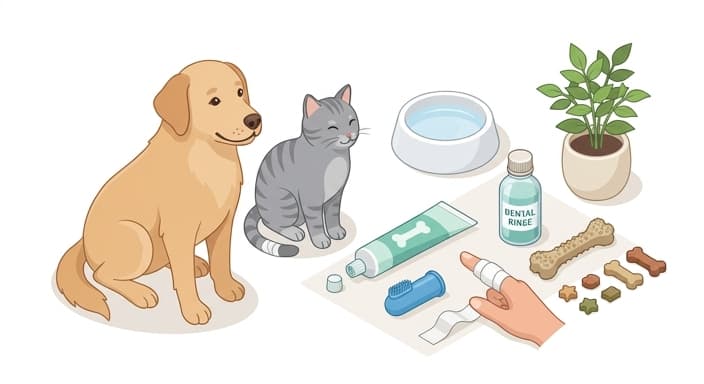
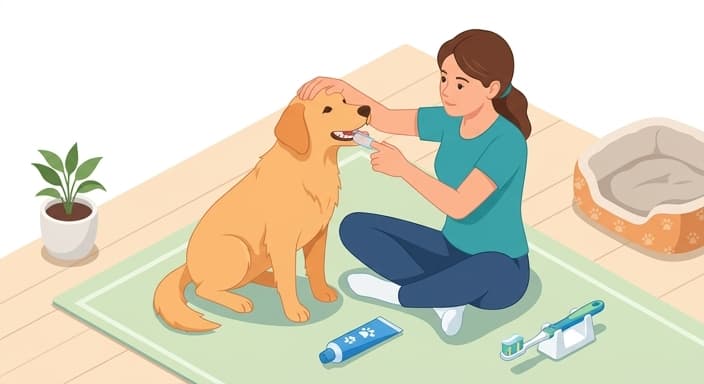
Start by getting your pet comfortable with having their mouth handled. Before you ever introduce a brush, spend a few days simply lifting their lip and gently touching their gums with your finger. If they remain calm, offer a high-value treat immediately. Once they are comfortable with your touch, introduce pet-specific toothpaste. Never use human toothpaste, as it often contains xylitol, a sweetener that is highly toxic to dogs, or high levels of fluoride that can be harmful if swallowed. Pet-safe toothpastes come in flavors like poultry, malt, or peanut butter, designed to make the experience rewarding. Introduce the brush slowly, starting with a finger brush or even a piece of gauze wrapped around your finger, and always stop before your pet shows signs of stress. Consistency—even if it’s just a few seconds every other day—is far more effective than a forced, high-stress session once a month.
Beyond the Brush: Supplementary Tools for Oral Hygiene
While daily brushing is the gold standard for removing plaque, I recognize that it isn't always possible for every pet or every owner. Fortunately, we live in an era of innovative veterinary dentistry. If your pet is resistant to a traditional toothbrush, you can still make significant progress by incorporating supplementary tools that mechanically or chemically disrupt plaque buildup.
Look for products that carry the Veterinary Oral Health Council (VOHC) seal of approval. This independent body evaluates products based on their ability to actually reduce plaque and tartar, rather than just masking the smell. Dental chews that are textured and firm enough to allow the tooth to sink in are excellent for scrubbing the surface of the teeth. Water additives can also be beneficial, as they often contain enzymes that help break down the bacterial film in the mouth. However, it is crucial to remember that these are tools, not replacements for professional veterinary care. Think of these as the "floss" to your pet's "toothbrush"—they provide an extra layer of defense, but they cannot replace the structural cleaning provided by a veterinary dental professional.
Decoding the Warning Signs of Pain
One of the most challenging aspects of veterinary dentistry is that our pets are masters of disguise. In the wild, showing signs of pain is a signal of weakness that could attract predators. Consequently, most pets will continue to eat, even when they are in significant oral pain. As a pet parent, you must be a detective.
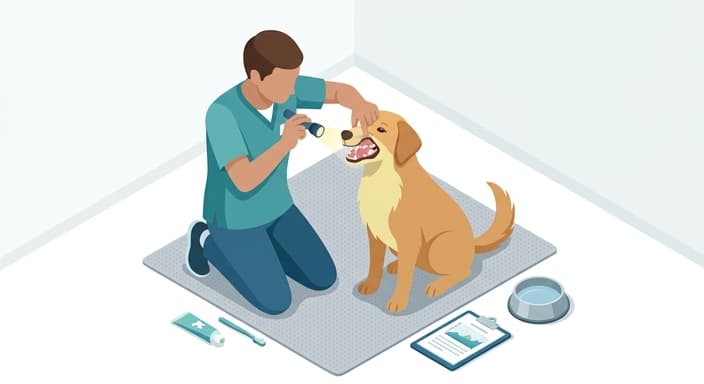
Look for the subtle shifts in behavior: a pet that approaches the food bowl with excitement but then drops the kibble, a sudden preference for wet food over dry, or a tendency to chew on only one side of the mouth. You might also notice pawing at the face, increased sensitivity when you pet their muzzle, or an unexplained change in personality, such as becoming irritable or lethargic. Red gums, bleeding along the gum line, or loose teeth are late-stage symptoms. By the time these are visible, your pet has likely been in pain for quite some time. Regular home exams—simply lifting the lip and looking for inflammation—can help you catch these issues before they turn into emergency extractions.
The Role of Professional Veterinary Cleanings
Even with the most dedicated home-care routine, genetics and the unique shape of a pet’s skull (especially in brachycephalic breeds like Pugs or Persians) play a massive role in dental health. Professional veterinary dental cleanings under anesthesia are not merely "cosmetic"; they are a critical diagnostic and therapeutic event.
During a professional cleaning, we don't just scale the visible surface of the tooth. We probe the gum pockets to check for hidden disease, take dental radiographs to look for root resorption or abscesses that are invisible to the naked eye, and polish the enamel to create a smooth surface that is more resistant to future plaque adhesion. Anesthesia is the only way to safely and effectively reach the subgingival areas (below the gum line) where the most destructive periodontal disease occurs. When you schedule a professional cleaning, you are investing in a preventative procedure that can add years to your pet's life, ensuring they remain comfortable and able to enjoy their favorite toys and meals well into their senior years.
Cultivating a Lifetime of Dental Wellness
Ultimately, your pet’s oral health is a reflection of your commitment to their long-term vitality. By shifting your perspective to view dental care as a daily habit—akin to exercise or balanced nutrition—you empower yourself to prevent suffering before it starts. Whether you are massaging their gums with a flavor-packed enzymatic paste, selecting a VOHC-approved chew, or scheduling that essential annual dental exam, every action you take is a building block for their health.
Remember, the goal is not perfection, but progress. Start slow, stay consistent, and lean on your veterinary team for guidance on what works best for your pet’s specific anatomy. When you prioritize their smile, you aren't just saving their teeth; you are protecting their heart, their organs, and their overall quality of life. A healthy mouth is a gateway to a happy, thriving pet, and with the right routine, you can ensure your companion stays by your side, pain-free and full of spirit, for many years to come.
Common Questions
🤔
Frequently Asked Questions
Why is routine pet dental care more than just bad breath?▼
Bad breath is often the tip of the iceberg. Routine dental care targets the underlying plaque and tartar that cause gingivitis and periodontal disease, which can progress to bone loss and tooth loss. Untreated oral disease can trigger systemic inflammation that affects the heart, kidneys, and liver. By prioritizing daily care and regular vet checkups, you protect your pet’s comfort, longevity, and overall wellness.
What is the difference between plaque and tartar, and why does it matter?▼
Plaque is a soft, sticky film of bacteria that forms on tooth surfaces after meals. If not removed within 24 to 48 hours, plaque mineralizes into tartar, a hard deposit that brushing cannot remove. Tartar provides a robust bacterial habitat and fosters gingivitis and deep periodontal pockets, which can lead to irreversible bone loss surrounding teeth. This progression also increases the risk of bacteria entering the bloodstream and affecting vital organs.
How should I start a brushing routine with my dog or cat?▼
Begin by desensitizing your pet to mouth handling—lift the lip and touch the gums with a finger, rewarding calm behavior with a high-value treat. Introduce pet-specific toothpaste (never use human toothpaste due to xylitol and fluoride risks) and start with a finger brush or gauze before transitioning to a toothbrush. Keep sessions brief and positive, aiming for consistency a few times per week rather than forceful daily sessions. Gradually increase familiarity, and stop if your pet shows stress.
What supplementary tools or strategies can help if my pet resists brushing?▼
If brushing is challenging, use supplementary tools that either mechanically disrupt plaque or chemically support oral health, such as vet-approved dental chews, rinses, or water additives, and dental diets designed to reduce plaque buildup. Look for products with veterinary guidance or dental health claims appropriate for your pet, and follow label directions carefully. Combine these tools with regular veterinary checkups and occasional professional cleanings to maintain oral health when brushing isn’t feasible every day.