Blog4/29/2026
Safe Indoor Plants for Cat Owners: Non-Toxic Picks
5 mins Read
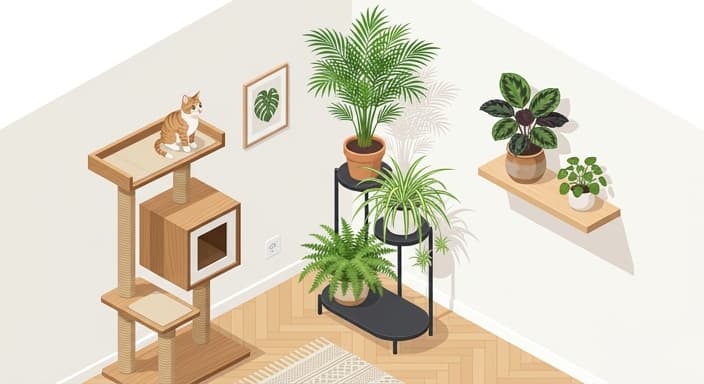
The Briefing
Quick takeaways for the curious
Many common houseplants contain toxins such as insoluble calcium oxalates or cardiac glycosides that can cause pain, swelling, drooling, and in severe cases organ damage in cats after ingestion.
Cats have an innate grazing instinct and will chew on indoor foliage when outdoor foraging isn't available, making plant safety a critical part of feline wellness.
Safe plant choices exist; non-toxic options like the Spider Plant and Boston Fern provide texture and movement that cats enjoy without risking poisoning, and it's important to verify plant names with reputable databases.
Always verify toxicity by checking the botanical name rather than relying on common names, since some plants with similar common names can be toxic while others are safe.
Effective plant safety combines careful selection with environmental management, including vertical displays and barriers to keep high-jumpers from reaching plants.
There is a persistent, outdated myth in the modern pet care community that a cat’s curiosity for greenery is merely a behavioral quirk, leading many owners to believe that bringing nature indoors is a harmless way to enrich their pet’s environment. As a veterinarian consultant, I frequently speak with well-meaning cat parents who are surprised to learn that many of our most popular houseplants contain potent toxins—ranging from insoluble calcium oxalates to cardiac glycosides—that can cause everything from localized oral irritation to life-threatening organ failure within hours of ingestion. We are finally moving toward a more sophisticated, holistic standard of pet wellness that views plant selection not as a simple home decor choice, but as a vital safety intervention, effectively closing the gap between a home filled with hidden botanical hazards and a sanctuary that supports both feline play and feline health.
The Botanical Trap: Why Cats Chew and What to Watch For
To understand why careful plant selection represents a paradigm shift for our feline companions, we must first demystify the feline "grazing" instinct. While cats are obligate carnivores, they have an evolutionary drive to seek out fibrous material to aid in digestion and help purge hairballs. Because our domestic cats do not have access to wild wheatgrass or outdoor foraging, they often turn to the nearest available foliage: your living room spider plant or, unfortunately, your toxic philodendron.
The danger lies in the metabolic processing of these plants. Many common household varieties, such as those in the Araceae family, contain microscopic needle-like crystals called calcium oxalates. When a cat bites into these leaves, the crystals are released, causing immediate, excruciating pain, swelling of the tongue, and excessive drooling. Other plants are far more sinister; lilies (Lilium and Hemerocallis species), for instance, are notoriously lethal to cats. Even a few grains of pollen brushed onto a cat’s fur can lead to acute renal failure. Understanding these mechanisms allows us to move from a place of reactive fear to proactive, informed curation of our indoor spaces.
Curation Over Collection: Selecting Non-Toxic Greenery
Creating an "urban jungle" does not mean you have to sacrifice your interior design aesthetic. In fact, some of the most beautiful and air-purifying plants are perfectly safe for curious paws. When shopping for new additions, look for plants that satisfy a cat’s need for texture and movement without the risk of systemic poisoning.
The Spider Plant (Chlorophytum comosum) is a perennial favorite for a reason; its arching, dangling leaves mimic the movement of prey, making it an engaging toy for cats. Similarly, the Boston Fern (Nephrolepis exaltata) provides a lush, feathery texture that cats love to brush against. When selecting your greenery, always cross-reference the botanical name—not just the common name—with the ASPCA’s toxic and non-toxic plant database. Common names can be misleading; for example, a "Jade Plant" is toxic, but there are many "succulent-style" plants that are perfectly safe. By focusing on species that are verified as non-toxic, you create a home where your cat can explore their natural instincts safely.
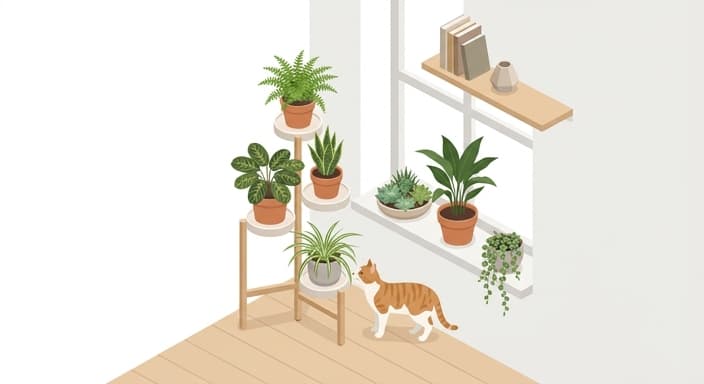
Managing the Environment: Strategic Placement and Deterrence
Even when you fill your home with safe plants, the "cat factor" remains: cats are agile, persistent, and naturally drawn to the verticality that plants provide. As a veterinarian, I often remind owners that the goal isn't just to buy the right plants, but to manage how they are displayed. If your cat is a habitual plant-chewer, the best strategy is a combination of environmental enrichment and physical barriers.
Vertical space is the key to a harmonious home. Consider installing floating shelves or ceiling-mounted hangers to keep your non-toxic foliage out of reach of high-jumpers. If you have a cat who insists on digging in the soil, place large river stones on top of the potting mix to prevent them from using the pot as a litter box or toy. Furthermore, you can provide "distraction greenery"—a dedicated pot of organic cat grass or catnip placed in a low-traffic, easily accessible area. By providing a "yes" space for their grazing instincts, you significantly reduce the likelihood of them bothering your prized indoor trees.
Red Flags: Recognizing Toxin Exposure
Despite our best efforts, accidents can happen. Whether it’s a guest bringing a bouquet of lilies or a stray leaf falling from a plant you thought was safe, recognizing the early signs of botanical toxicity is critical. Feline anatomy is uniquely sensitive to many plant compounds, and they often metabolize toxins differently than humans or dogs.
If you notice your cat suddenly pawing at their mouth, excessive drooling, lethargy, vomiting, or a sudden loss of appetite, do not wait for the symptoms to resolve on their own. These can be early indicators of irritation or, more alarmingly, the onset of systemic organ distress. If you suspect ingestion, try to identify the plant, take a photo, or bring a cutting with you to your emergency veterinarian. Time is the most valuable resource in toxicology; acting within the first two hours of ingestion can often be the difference between a simple, outpatient treatment and intensive, life-saving hospitalization. Always keep your local emergency vet’s number and the Pet Poison Helpline contact information saved in your phone for immediate reference.
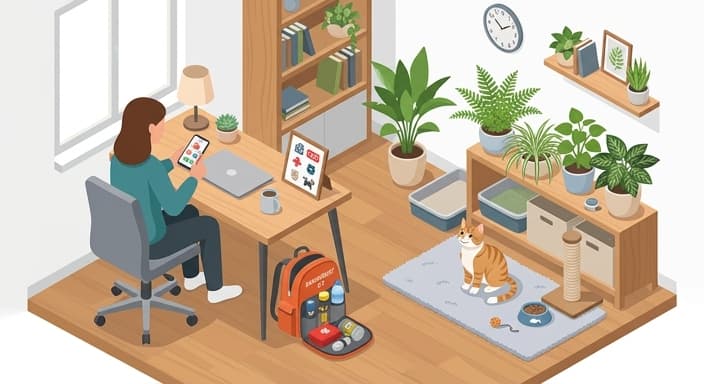
Creating a Thriving, Pet-Friendly Sanctuary
The shift toward a pet-safe home is ultimately about deepening the bond between you and your feline companion. By choosing to eliminate toxic risks, you are acknowledging that your home is a shared space—a environment that must cater to the physical, psychological, and instinctual needs of your cat. It is entirely possible to maintain a beautiful, vibrant collection of indoor greenery while ensuring that your cat remains healthy, safe, and free from the hidden dangers of botanical toxicity.
As we move forward, let us embrace the "vet-approved" standard of interior design: one where every leaf, stem, and flower is a celebration of nature that poses no threat to those we love most. By staying informed, being selective with our plant choices, and managing our spaces with a cat-first mentality, we provide our companions with the safety they deserve and the enrichment they crave. A healthy, happy cat is the ultimate accessory to any home, and with a little intentionality, your indoor sanctuary can be the perfect habitat for both you and your feline friend.
Common Questions
🤔
Frequently Asked Questions
Why are many houseplants dangerous to cats?▼
Many common houseplants contain toxins such as calcium oxalates and cardiac glycosides that can cause immediate oral irritation, swelling of the mouth, drooling, and in severe cases damage to organs. Even pollen can trigger serious health issues for some cats. Understanding these mechanisms helps owners move from reactive fear to proactive plant curation.
How can I select safe greenery for a cat-friendly home?▼
Start by cross-referencing botanical names with reputable databases such as the ASPCA to confirm toxicity. Choose non-toxic species that still offer texture and movement, like the Spider Plant or Boston Fern. Avoid relying on common names alone, as some plants labeled as safe may not be, and vice versa.
What strategies help manage a cat's interaction with plants?▼
Plan for both enrichment and safety by using vertical displays, floating shelves, and ceiling hangers to keep plants out of reach of bold climbers. Pair these placements with engaging toys and activities to satisfy a cat's instinct to explore. Regularly reassess plant placements as your cat's behavior changes.
What should I do if my cat has ingested a toxic plant?▼
If you suspect ingestion, contact your veterinarian or an animal poison control center immediately and provide any plant identifiers you have. Monitor for symptoms such as mouth irritation, drooling, vomiting, or changes in urination, and seek urgent care if they appear. Do not wait for symptoms to escalate before seeking help.