Blog4/30/2026
Mental Enrichment Activities for Indoor Cats: A Practical Guide
5 mins Read
The Briefing
Quick takeaways for the curious
Indoor cats are biologically wired as crepuscular hunters, so mental enrichment is a vital part of their welfare, not a luxury.
Without cognitive outlets, many indoor cats display issues like nocturnal hyperactivity, redirected aggression, or over-grooming—classic signs of boredom syndrome.
Enrichment reintroduces hunt-and-solve tasks through vertical space, sensory enrichment, and problem-solving activities to tire a feline brain more effectively than chasing a laser.
Viewing the home as a territory and rotating elements such as cat trees, windows, and scents builds confidence and reduces anxiety.
Foraging-based feeding converts meals into brain work, improving mood and restfulness by satisfying predatory drives and cognitive curiosity.
There is a persistent, outdated myth in the modern pet care community that an indoor cat’s primary requirements are limited to a clean litter box, a full food bowl, and a quiet place to nap. As a veterinarian consultant, I frequently speak with well-meaning cat parents who are surprised to learn that behavioral issues like nocturnal hyperactivity, destructive scratching, and chronic stress are often symptoms of "boredom syndrome"—a genuine lack of cognitive stimulation that leaves a predator with nothing to hunt. We are finally moving toward a more sophisticated, holistic standard of pet wellness that views mental enrichment not as a luxury or a "pet store gimmick," but as a vital therapeutic intervention, effectively closing the gap between a cat prone to behavioral frustration and one who possesses the neurological stimulation necessary to thrive in an indoor environment.
The Cognitive Predator: Why Domestic Cats Need a Job
To understand why mental enrichment represents a paradigm shift for our feline companions, we must first demystify the feline evolutionary blueprint. Even the most pampered lap cat is biologically wired as a crepuscular hunter. In the wild, a cat’s day is consumed by the "hunt-catch-kill-eat-groom-sleep" cycle. Their brains are hardwired to process complex spatial information, track movement, and solve problems to secure calories.
When we transition these animals to an indoor lifestyle, we often inadvertently strip away the "hunt" and the "problem-solving" components of their day. When a cat has no outlet for their predatory drive, that energy does not simply vanish; it manifests as redirected aggression, over-grooming, or the dreaded "zoomies" at 3:00 AM. Enrichment is the process of reintroducing these hunting tasks into their daily routine, providing the mental friction required to tire a feline brain out more effectively than an hour of laser pointer play ever could.
Sensory Mapping and Environmental Complexity
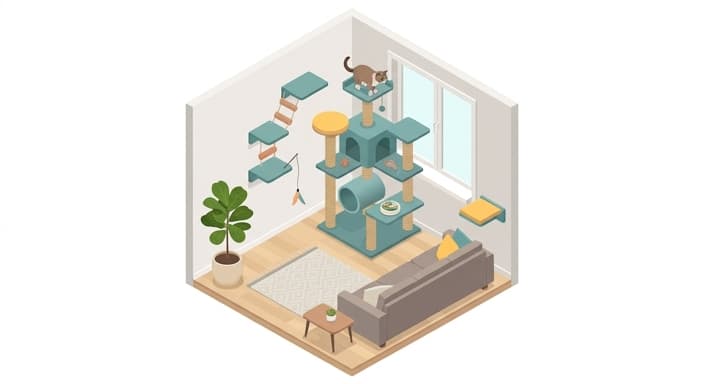
The first step in building an enrichment program is to stop thinking about your home as a living space and start viewing it as a territory. Cats thrive on "vertical territory," which provides them with a high-ground vantage point to survey their surroundings. If your cat’s world is restricted to the floor, you are missing out on 50% of their natural environmental needs.
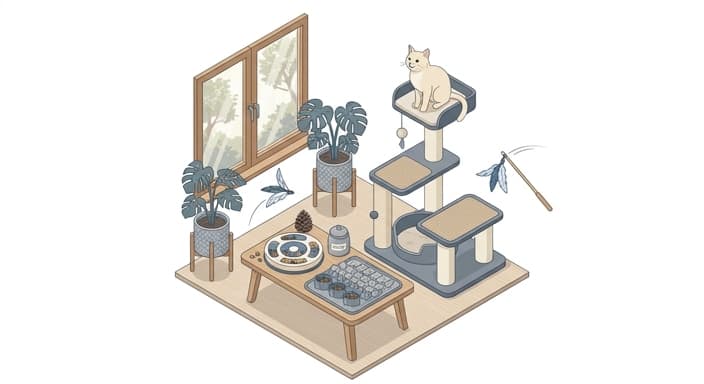
To facilitate sensory mapping, rotate your cat's environment. This doesn't mean buying new furniture every week; it means changing the perspective. Move a cat tree to a different window so the view changes. Introduce "scent enrichment" by bringing in a safe, outdoor-scented item, like a pinecone or a rock from your garden, to allow them to engage their powerful olfactory system. When a cat is allowed to patrol, mark (via scent glands on their cheeks), and observe from varying heights, their confidence increases, and their anxiety levels drop. A confident cat is a calm cat, and a calm cat is a joy to live with.
The Art of Foraging: Replacing the Bowl
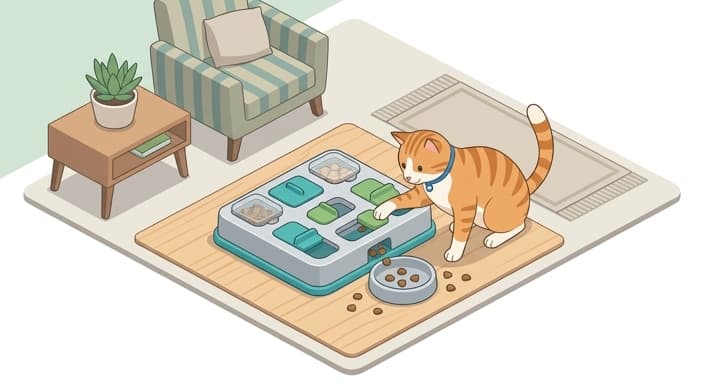
One of the most transformative changes a pet parent can make is the total or partial elimination of the "free-fed" bowl. In nature, food is the ultimate reward for a successful hunt. By utilizing puzzle feeders, snuffle mats, or simple DIY toilet paper roll feeders, you turn mealtime into a mental challenge.
Start by hiding small portions of high-quality dry food or freeze-dried treats around the house. This forces the cat to engage their nose to "track" their prey. If your cat is food-motivated, you can utilize electronic puzzle toys that require a paw swipe or a nose nudge to release a kibble. The goal here is to introduce "work-to-eat" behaviors. This activity taps into the cat’s dopaminergic pathways, providing a sense of accomplishment that is physiologically satisfying. When a cat has to "hunt" for their breakfast, they are much more likely to settle into a deep, restorative sleep afterward because their cognitive drive has been fulfilled.
Tactile and Auditory Stimulation: Beyond the Mouse Toy
While visual stimulation is important, we often overlook the tactile and auditory senses. Cats are masters of texture and sound. Providing varied surfaces—such as cardboard scratchers, sisal posts, and even textured mats—allows your cat to engage in natural grooming and muscle-stretching behaviors.
Auditory enrichment is equally powerful. There are specific soundscapes designed for feline neuro-comfort, often featuring low-frequency rhythmic beats or soft, natural sounds that mimic the environment of their ancestors. However, be cautious: avoid loud, erratic noises that might trigger a startle response. For tactile play, look for toys that mimic the erratic movement of prey—feathers that skitter or "wobbling" toys that change direction unpredictably. The key is unpredictability. If a toy moves in a predictable, repetitive arc, the cat loses interest. If it moves like a living thing—darting behind a chair or pausing mid-scuttle—the cat’s predatory instinct remains engaged.
The Social Component: Interactive Play Strategies
Even the most independent cat requires a social partner to validate their hunting prowess. As an owner, your role is to act as the "prey operator." When playing with a wand toy, move the toy away from the cat, not toward them. Mimic the behavior of a bird or mouse—fleeing, hiding behind corners, and taking short, calculated pauses.
The most important part of this session is the "cool-down" phase. Never end a play session while the cat is still in a state of high arousal. Always allow them to "catch" the prey at the end of the game, follow it with a meal or a treat, and then allow for grooming time. This mimics the natural sequence of a successful hunt. By following this structure, you reinforce the cat's neurological reward system, effectively teaching them that their effort results in success, food, and eventually, peace.
Creating a mentally enriching environment for your indoor cat is one of the most rewarding commitments you can make as a pet parent. It is not about filling your home with clutter, but about curating an environment that honors the wild, intelligent, and sensory-driven predator living under your roof. By shifting your approach from passive care to active, thoughtful engagement, you will find that the behavioral "problems" often resolve themselves, replaced by a deep sense of feline contentment. Remember that every cat is an individual; observe what captures your cat’s interest, experiment with different textures and puzzles, and enjoy the process of unlocking the vibrant, curious mind of your companion.
Common Questions
🤔
Frequently Asked Questions
What is boredom syndrome and why is enrichment important for indoor cats?▼
Boredom syndrome refers to cognitive under-stimulation that can lead to behavioral issues such as nocturnal hyperactivity, aggression, and compulsive grooming. Providing enrichment introduces hunting tasks and problem-solving opportunities, helping to channel energy in healthier ways. Implementing enrichment is a therapeutic intervention that supports the cat's nervous system and overall well-being.
How can I transform my home into a stimulating habitat for my cat?▼
Start by expanding vertical space so your cat has high ground to survey the environment. Rotate elements like cat trees or perches to change perspectives, and introduce scent enrichment with safe outdoor scents. Create patrol routes that allow the cat to observe from different heights, which builds confidence and lowers anxiety.
What are effective foraging and puzzle activities I can use at home?▼
Use puzzle feeders, snuffle mats, and DIY options like hidden treats in boxes or cardboard tubes to turn meals into a challenge. If your cat is food-motivated, consider electronic puzzles that require a paw swipe or nose nudges to release kibble. Start with simple tasks and gradually increase difficulty to sustain engagement.
How can I tell if enrichment is working and what should I adjust?▼
Look for signs of calmer behavior, improved sleep, and reduced stress-related behaviors such as excessive scratching or hiding. If your cat still shows high arousal at night or seems uninterested, tweak the setup by changing locations, adding new scents, or increasing foraging difficulty. Regularly rotate activities to maintain novelty and monitor your cat's response.