Blog4/24/2026
Preventive Dental Care Routines for Pets: A Proactive Guide
6 mins Read
The Briefing
Quick takeaways for the curious
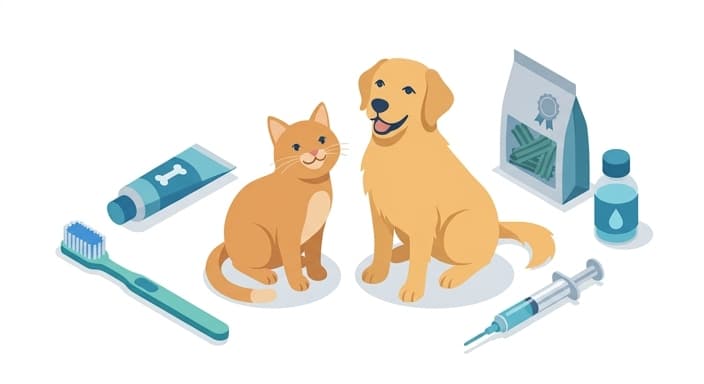
Daily brushing with pet-specific toothpaste is the gold standard for preventing plaque buildup and periodontal disease in dogs and cats.
Plaque can calcify into tartar within 24 to 48 hours and progress below the gum line, creating deep pockets that harbor bacteria.
Untreated periodontal disease can contribute to systemic inflammation that stresses the heart, kidneys, and liver.
If brushing is difficult, desensitization, positive reinforcement, and VOHC-sealed dental chews or treats can provide meaningful help.
Even when brushing is tough, use adjuncts like water additives or dental gels alongside mechanical cleaning, and always prioritize veterinary guidance.
There is a persistent, outdated myth in the modern pet care community that feline and canine dental health is merely a cosmetic concern, leading many owners to believe that a little "morning breath" is an inevitable price to pay for pet companionship. As a veterinarian consultant, I frequently speak with worried pet parents who are shocked to learn that periodontal disease is not just about unpleasant odors—it is a systemic inflammatory process that can compromise the heart, kidneys, and liver if left unchecked. We are finally moving toward a more sophisticated, preventative standard of pet wellness that views oral care not as an occasional chore, but as a vital therapeutic intervention, effectively closing the gap between a pet prone to chronic, painful infections and one who enjoys a vibrant, pain-free, and long-lasting life.
The Silent Epidemic: Understanding Periodontal Disease
To understand why proactive dental hygiene represents a paradigm shift for our companions, we must first demystify the biomechanics of the animal oral cavity. Unlike humans, our pets possess a unique oral microbiome and a high-pH saliva environment that promotes the rapid calcification of plaque into tartar, or calculus, often within just 24 to 48 hours. When this sticky biofilm is left undisturbed, it migrates below the gum line, creating deep, anaerobic pockets where bacteria thrive.
This process is not merely local irritation; it is a gateway for pathogens to enter the bloodstream. When we talk about dental health, we are really talking about the health of the entire organism. Chronic inflammation in the mouth forces the immune system to remain in a constant state of high alert, which can eventually lead to systemic organ stress. By viewing the mouth as a window into your pet's overall physical condition, you transform from a passive owner into an active guardian of their longevity.
Building a Habit: The Art of Home Brushing
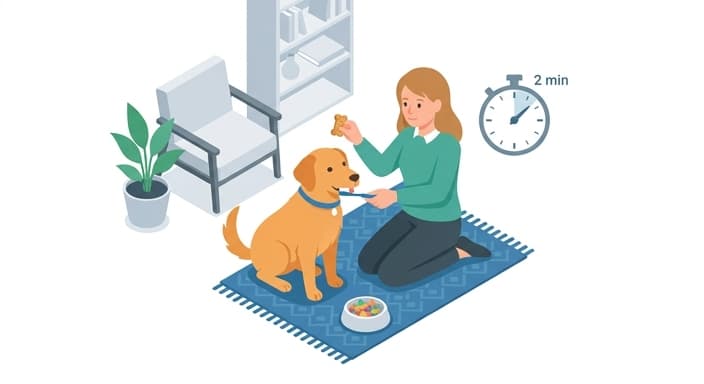
The gold standard for at-home dental care remains the physical removal of plaque through daily brushing. However, I often hear from clients that their pets "refuse" to participate. Success here is rarely about force; it is about desensitization and gradual positive reinforcement. Start by simply touching your pet’s muzzle, then progress to lifting the lip, and eventually introduce a finger cot or a soft-bristled brush specifically designed for pets.
Crucially, you must use veterinary-approved toothpaste. Human toothpaste often contains xylitol, an artificial sweetener that is highly toxic to dogs, as well as fluoride and foaming agents that should never be ingested by animals. Choose a flavor they enjoy—poultry or malt flavors are usually big hits—and keep sessions short and rewarding. If you can only manage ten seconds of brushing a day, that is infinitely better than zero seconds. Consistency is the secret ingredient; by turning the routine into a bonding experience accompanied by high-value treats, you remove the stress and replace it with anticipation.
Beyond the Brush: Supplementary Dental Tools
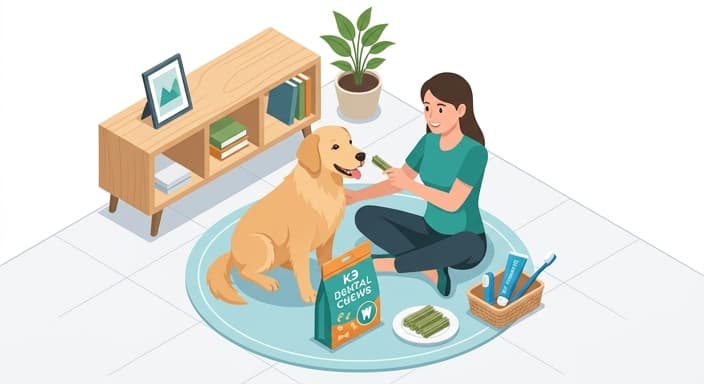
If your pet absolutely rejects the toothbrush, do not despair. There is an entire ecosystem of dental support tools available that can help manage plaque buildup when used correctly. Dental chews and treats that carry the Veterinary Oral Health Council (VOHC) seal are particularly effective because they have been scientifically proven to reduce plaque and tartar accumulation. These products work through mechanical abrasion—the physical action of chewing strips away the biofilm before it has the chance to harden into calculus.
Water additives and dental gels are also useful adjuncts, though they should never be viewed as a replacement for mechanical action. These products typically contain enzymes or pH-balancing agents that disrupt the bacterial environment in the mouth. When selecting these, prioritize transparency; look for ingredients like chlorhexidine or specific enzyme blends that inhibit bacterial adhesion. Remember, these are "helpers," not "fixers." They serve to bridge the gap between professional cleanings, keeping the bacterial load manageable so that your pet isn't starting from scratch every time they visit the clinic.
The Role of Diet and Texture in Oral Hygiene
We often overlook the impact of nutrition on dental health, but the physical texture of your pet’s food plays a significant role in oral maintenance. While dry kibble is sometimes touted as a "dental diet," the reality is that most kibble shatters upon impact, providing little to no scrubbing action on the tooth surface. However, specific veterinary-grade dental diets are engineered with a larger kibble size and a fibrous matrix that resists immediate crumbling. These "scrubbing" kibbles are designed to stay in contact with the tooth for a fraction of a second longer, providing a degree of mechanical cleaning with every bite.
For pets prone to heavy tartar, incorporating fresh, fibrous vegetables like raw carrots or green beans (as supervised treats) can provide extra chewing time. However, proceed with caution: avoid hard bones, antlers, or nylon chews that are dense enough to cause a slab fracture—a common, painful, and expensive dental emergency. The goal is to provide a challenge that is firm enough to scrape but soft enough to yield, protecting the integrity of the tooth enamel while keeping the gums stimulated.
Recognizing the Red Flags: When to See the Vet
Even with a perfect home routine, professional intervention is non-negotiable. Pets are masters at masking pain; by the time you notice they are having difficulty eating, they have likely been suffering from dental disease for months. As a veterinarian, I recommend a professional assessment at least once a year. Look for the "silent" signs: persistent bad breath, excessive drooling, dropping food while eating, pawing at the mouth, or a sudden preference for soft food over crunchy treats.
During a professional cleaning, we don't just "polish" the teeth. We perform a comprehensive oral health assessment under anesthesia, which allows us to chart pocket depths, take dental radiographs to see what is happening beneath the gum line, and treat pathology that is invisible to the naked eye. Think of this as a "reset" button. After the professional cleaning, your home routine becomes much more effective because you are maintaining a clean mouth rather than trying to battle established disease.
Empowering Your Pet’s Future
Ultimately, the goal of preventive dental care is to provide your pet with a life free from the chronic, low-grade misery of dental pain. It is easy to feel overwhelmed by the prospect of daily brushes and specialized diets, but remember that you are building a legacy of health. Each session of cooperative brushing or each VOHC-approved chew is a deposit into your pet’s long-term wellness account. By taking these small, deliberate steps, you are protecting their heart, safeguarding their organs, and ensuring that their golden years are defined by comfort rather than silent suffering. Start today, stay patient with the process, and take pride in knowing that you are doing the absolute best for your companion’s health and happiness.
Common Questions
🤔
Frequently Asked Questions
Why is dental care more than cosmetic for pets?▼
Periodontal disease is not just an unpleasant smell; it is an inflammatory process that can affect the heart, kidneys, and liver over time. The mouth serves as a gateway to the body, and chronic oral inflammation keeps the immune system on high alert. By maintaining oral health, you support your pet's overall longevity and quality of life. Regular dental care helps prevent painful infections and costly veterinary treatments later.
How do I start a brushing routine with my pet?▼
Begin with gentle desensitization by touching the muzzle and lifting the lip. Gradually introduce a finger cot or a pet-specific soft brush, and use veterinary-approved toothpaste, avoiding human toothpaste. Keep sessions short, rewarding with treats, and aim for daily practice even if just 10 seconds to start. Consistency turns brushing into a bonding experience and a stress-free habit.
What role do VOHC-approved tools play in dental care?▼
VOHC-sealed dental chews and treats help reduce plaque and tartar through mechanical abrasion and are backed by evidence. They are valuable adjuncts when brushing is challenging, but they do not replace mechanical cleaning. Water additives and dental gels can support oral health but should be used alongside brushing. Look for clear ingredient disclosures and VOHC validation when selecting products.
What signs indicate my pet needs a veterinary dental check or cleaning?▼
Bad breath, red or swollen gums, excessive drooling, difficulty eating, pawing at the mouth, loose teeth, or visible tartar are red flags. If you notice any of these, schedule a veterinary assessment because early intervention can prevent progression. Professional cleanings may be recommended to thoroughly remove plaque and tartar and to assess the need for extractions. Regular checkups can help tailor a preventive plan for your pet.