Blog3/27/2026
Vertical Cat Wall Installation Guide: Safe, Enriching Elevation
6 mins Read
The Briefing
Quick takeaways for the curious
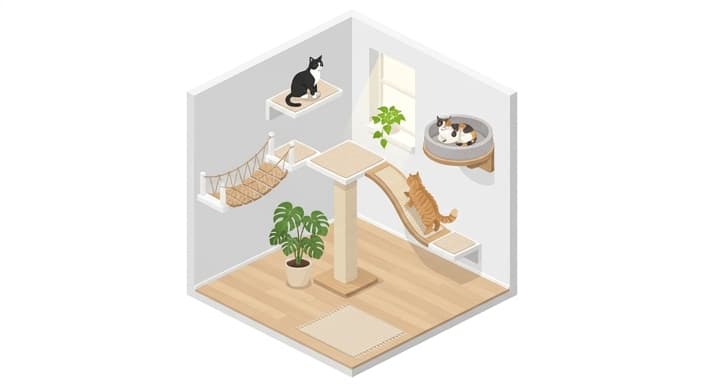
Vertical space is essential for feline security and enrichment, and environmental under-stimulation from floor-only arrangements can drive boredom and behavioral issues.
Cats require elevated vantage points to observe their surroundings, reduce anxiety, and engage in natural behaviors beyond floor space.
Safety and structural integrity matter: use studs and solid mounting rather than relying on drywall anchors to prevent collapse and injuries.
A true cat highway uses closely spaced, textured platforms with 12-18 inch gaps for most cats (8-10 inches for seniors) to allow safe progression.
Ergonomics and aging considerations should guide design, favoring varied textures, secure traction, and accessible routes that support long-term use.
There is a persistent, outdated myth in the veterinary world that a cat’s environment is defined solely by the square footage of their floor space. As a veterinarian, I frequently consult with pet parents who lament that their indoor cats seem bored, destructive, or lethargic, assuming that a larger apartment is the only solution, when in reality, these cats are suffering from "environmental under-stimulation." We are finally moving toward a new, proactive standard of cat care where vertical architecture is not just an aesthetic interior design choice, but a fundamental requirement for feline behavioral health and physical longevity.
The Evolutionary Mandate for Verticality
To understand why your cat seems obsessed with the highest shelf in your kitchen or the top of your refrigerator, we must look at their evolutionary biology. Cats are not just predators; they are also prey. In the wild, their survival is inextricably linked to their ability to observe their surroundings from an elevated vantage point. This "high ground" serves two critical functions: it provides a tactical view to scan for potential threats and a strategic position to spot unsuspecting prey.
When we bring cats into our homes, we often provide them with comfortable beds on the floor, ignoring the fact that a cat’s nervous system is hardwired to seek height to feel secure. A cat that cannot access vertical space is often a cat that lives in a state of chronic, low-level anxiety. When they are constantly grounded, they have nowhere to retreat to when the household becomes chaotic, leading to behavioral issues like territorial aggression, house soiling, or over-grooming. Installing a cat wall is not just about giving them a place to climb; it is about providing them with a "safe zone" that empowers them to navigate their environment with confidence.
Assessing Your Space and Safety Considerations
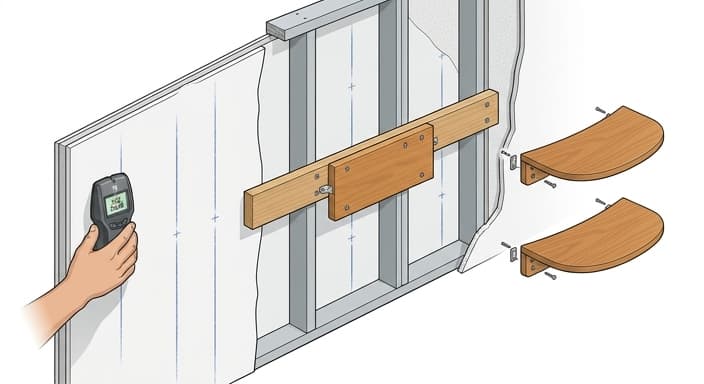
Before you start drilling into your drywall, we need to talk about structural integrity. As a clinician, I have seen far too many feline orthopedic injuries resulting from "cat furniture failure." A cat wall is dynamic; your cat will not just sit on it—they will launch themselves onto it, run across it, and wrestle with their siblings on it. This means your installation must be able to handle significant kinetic force.
The first step is identifying your wall studs. Never rely solely on wall anchors for heavy shelving units; they will eventually work loose, potentially causing a crash that could injure your cat and damage your home. Invest in a high-quality stud finder and map out your wall layout based on where the studs are located. If your desired configuration doesn't align perfectly with your studs, consider installing a horizontal "cleat" or mounting board that spans across two studs, which then allows you to screw your shelves into that solid wood base.
Creating a Functional "Cat Highway"
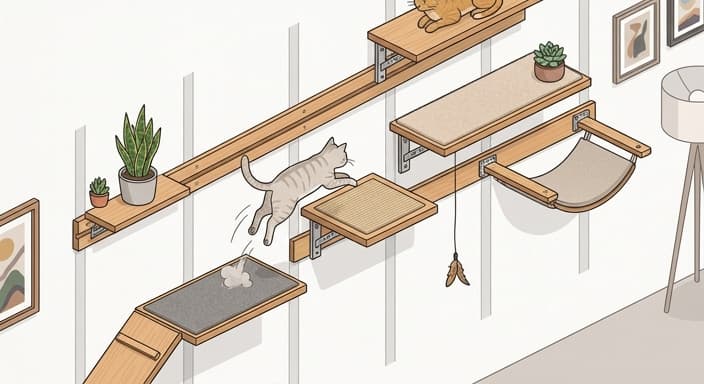
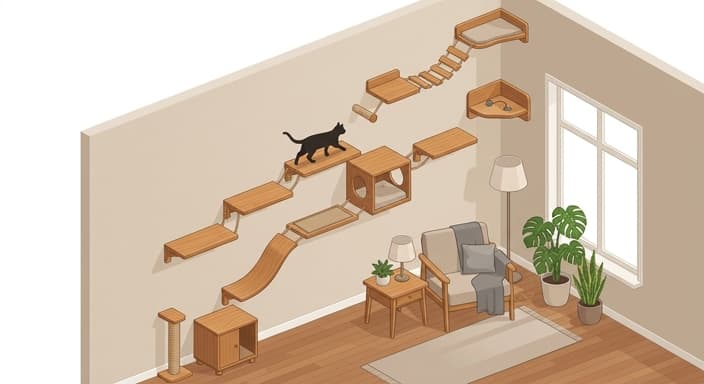
A successful cat wall isn't just a collection of random floating shelves; it should be a cohesive "highway" that allows your cat to traverse the room without ever touching the floor. In the veterinary world, we call this "environmental enrichment." To build a true highway, you need to consider the distance between your platforms. If the gaps are too wide, your cat may feel insecure or physically unable to make the jump, especially as they age.
For an average adult cat, a gap of 12 to 18 inches is ideal. If you have a senior cat or a breed with shorter legs like a Munchkin, keep those jumps closer to 8 to 10 inches. You should also incorporate a variety of textures. While polished wood or laminate shelves look beautiful, they can be slippery. I highly recommend adding carpet tiles, sisal mats, or non-slip rubber pads to the surfaces. This provides the necessary traction for them to gain momentum and makes the transition from one shelf to another feel much safer.
Ergonomics and Aging: The Senior Perspective
One of the most rewarding aspects of my practice is seeing pet parents adapt their homes to accommodate their aging feline companions. We often think of cat walls as being for the "zoomie" stage of kittenhood, but they are actually vital for senior cats as well. As cats age, their joints may become stiff due to osteoarthritis, making it painful to jump from the floor to a high sofa or bed.
A well-designed cat wall can act as a "staircase" for your senior cat, allowing them to reach their favorite high-altitude spots through a series of smaller, manageable steps rather than one giant, painful leap. If you are designing a wall for a senior, focus on "graduated elevation." Instead of large gaps, use a series of smaller, staggered shelves that act like a ladder. Ensure that the top resting platform is wide enough for them to stretch out comfortably and that it is placed in a warm, draft-free area, as senior cats are much more sensitive to temperature fluctuations.
Strategic Placement for Stress Reduction
Placement is everything when it comes to feline psychology. If you install a cat wall in a dark, neglected corner of the basement, it will likely go unused. Cats are social creatures; they want to be part of the "pride," even if they are observing from a distance. The best locations for a cat wall are in rooms where the family spends the most time, such as the living room or a home office.
However, avoid placing high-traffic resting spots directly above high-stress areas, such as the litter box or a noisy, frequently used door. A cat needs to feel that their vertical space is their sanctuary—a place where they can observe the household activity without being bothered. If you have a multi-cat household, it is imperative to create multiple paths or "exits" on your wall. In cat behavior, a "dead end" is a source of conflict. If one cat is cornered on a shelf by another, they will feel trapped. By ensuring there are multiple ways on and off the structure, you can significantly reduce inter-cat aggression and promote household harmony.
Maintenance and Long-Term Wellness
Finally, remember that a cat wall is not a "set it and forget it" installation. Every few months, take a moment to inspect your handiwork. Check the screws to ensure they haven't loosened due to the house settling or the constant vibration of your cat jumping on and off. Inspect the carpet or sisal coverings for fraying; loose threads can be a choking hazard or a tempting chew toy that could lead to gastrointestinal obstruction if ingested.
By investing the time to design a vertical space that respects your cat’s natural instincts, you are doing more than just decorating your home—you are investing in their long-term mental and physical health. A cat that can climb, perch, and survey their kingdom is a cat that is truly thriving. Whether you are building a simple two-shelf system or an elaborate wall-to-wall playground, the effort you put into their vertical environment will pay dividends in the form of a happier, more confident, and well-adjusted companion for years to come.
Common Questions
🤔
Frequently Asked Questions
What are the health and behavioral benefits of a vertical cat wall?▼
Vertical walls provide cats with elevated vantage points that reduce anxiety and give them control over their surroundings. In practice, access to height allows them to monitor threats and potential prey while retreating from household chaos. This environmental enrichment can decrease problem behaviors like aggression, house soiling, or over-grooming. Regular use of a safe vertical setup also promotes physical activity and longevity by encouraging climbing and jumping within controlled parameters.
How do I assess space and ensure safety when installing a cat wall?▼
Assessing space and safety begins before you drill, focusing on mounting strength and structural integrity. Always locate wall studs with a quality stud finder and plan your layout around solid wood backing. Avoid relying on drywall anchors for heavy shelves, since they can loosen over time and endanger your cat. When exact stud alignment is impossible, install a horizontal cleat that spans multiple studs and provides a sturdy mounting surface for your shelves.
What makes a cat wall a functional cat highway?▼
To be functional, a cat wall should form a cohesive path that lets your cat move across the room without touching the floor. Keep the gaps between platforms within reach; a typical adult cat benefits from 12 to 18 inches between platforms, with smaller gaps for seniors. Offer varied textures such as carpet tiles, sisal, or rubber to improve traction and confidence. Ensure fastenings are secure and that each piece is integrated with the others so the cat feels safe moving along the route.
How should aging cats be accommodated in the design?▼
Consider shorter gaps and lower elevations to reduce strain on joints and difficulty with mobility. Incorporate ramps, textured surfaces, and stable perches that are easy to access from a resting position. Regularly inspect and adjust the setup as your cat ages, watching for signs of discomfort or hesitation and adapting the route accordingly.