Blog4/2/2026
Smart Home Tech for Pet Safety: Proactive Guardianship
6 mins Read
The Briefing
Quick takeaways for the curious
Smart home technology turns pet safety from a reactive worry into a proactive guardian system.
By monitoring environmental data and pet activity in real time, it helps catch hazards before they become emergencies.
Connected cameras and two-way audio turn every away-from-home moment into an opportunity to comfort or intervene.
AI-powered alerts distinguish normal movement from signs of distress, coughing, vomiting, or difficulty standing.
Climate and environmental sensors provide early warnings about dangerous temperature or humidity shifts, enabling remote adjustments to keep pets safe.
There is a persistent, outdated myth among busy pet parents that a "pet-proofed" home is simply one where cords are tucked away and cleaning supplies are locked in a cupboard, leaving many to assume that their pets are safe as long as they are physically contained within four walls. As a veterinarian consultant, I frequently consult with devoted owners who are surprised to learn that modern smart home technology offers far more than convenience; it provides a vital, real-time safety net that addresses the silent anxieties and health fluctuations our pets experience when we aren't looking. We are finally moving toward a more sophisticated, proactive standard of pet guardianship that leverages digital connectivity to bridge the gap between our pets' vulnerable domestic existence and the unpredictable hazards of the modern home.
The Biological Reality of the "Home Alone" Pet
To understand why smart home technology has become a clinical recommendation rather than a luxury gadget, we must look at the biological reality of our domestic companions. While we view our homes as safe sanctuaries, pets perceive them through a lens of instinctual vigilance and social dependence. Dogs, in particular, are pack animals that struggle with the isolation of the modern workday, often manifesting separation anxiety through destructive behavior or self-harm. Cats, despite their reputation for independence, are highly sensitive to environmental stressors like temperature fluctuations or sudden, loud noises.
When we leave the house, we often operate on a "hope for the best" basis. However, from a veterinary perspective, the absence of data is a liability. Smart sensors and connected cameras allow us to monitor the core vital signs of our home environment—temperature, humidity, and activity levels—ensuring that our pets aren't just physically safe, but emotionally regulated. By utilizing smart tech, we transition from reactive pet owners, who only notice a problem when a pet is already symptomatic or an accident has occurred, to proactive caregivers who can intervene before a minor stressor becomes a veterinary emergency.
Smart Cameras: Beyond Mere Observation
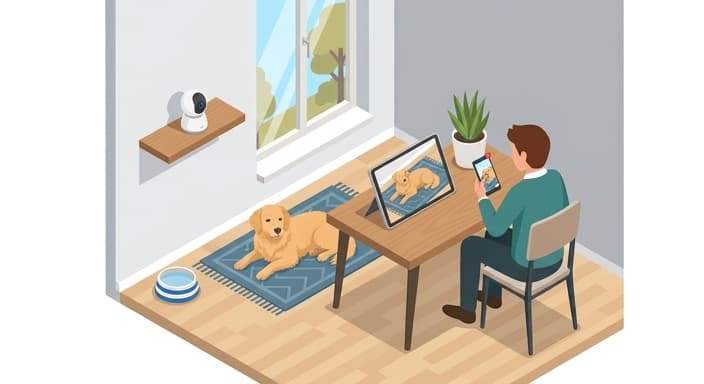
The most accessible and impactful tool in the smart home arsenal is the interactive pet camera. Many owners use these devices solely to watch their pets sleep or play, but their true clinical value lies in two-way communication and advanced motion detection. A high-quality smart camera equipped with night vision and two-way audio allows you to provide comfort when a pet shows signs of distress, such as pacing, panting, or vocalization.
Furthermore, many modern cameras come with "smart alerts" that utilize AI to differentiate between a pet moving around and a potential emergency, such as a pet coughing, vomiting, or struggling to stand. If you are alerted to unusual activity, you can quickly assess the situation via the live feed and determine if a neighbor or pet sitter needs to be dispatched. This removes the "black box" of the workday, allowing you to monitor for signs of pain or illness that might otherwise go unnoticed for hours.
Climate Control and Environmental Safety Sensors
One of the most dangerous, yet overlooked, hazards for indoor pets is the "silent shift" in home environment. During summer months or sudden winter cold snaps, a malfunctioning HVAC system can turn a living room into a health hazard within hours. Pets, especially brachycephalic (flat-faced) breeds like Pugs or Persians, are exceptionally susceptible to heatstroke, which can occur at temperatures that humans might find only mildly uncomfortable.
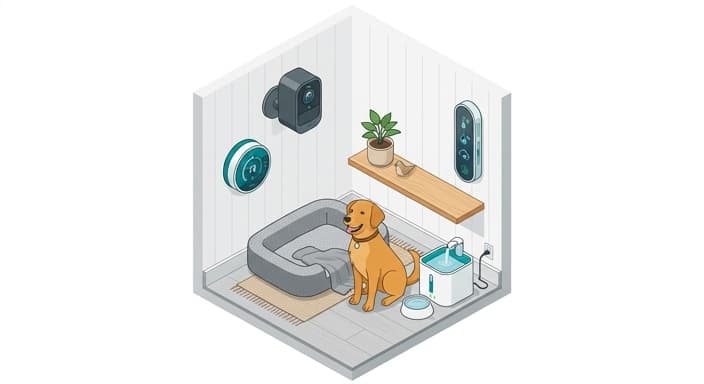
Smart home climate monitors act as an early warning system. By placing sensors in the areas where your pet spends the most time, you can receive alerts on your smartphone the moment the temperature or humidity deviates from the safe range. Some advanced systems even integrate with smart thermostats, allowing you to adjust the temperature remotely if you see that your pet is becoming lethargic or showing signs of overheating. This integration is not just about comfort; it is a fundamental tool for preventing heat-related organ damage and respiratory distress.
Automated Feeders and Hydration Management
The health of a pet is often written in their routine. Clinical studies consistently show that sudden changes in appetite or water consumption are the first indicators of underlying systemic diseases, such as diabetes, hyperthyroidism, or kidney failure. Automated, app-connected feeders and water fountains allow you to track the exact intake of your pet, providing a data-driven baseline for their health.
An automated feeder allows you to schedule precise, small-portion meals, which is particularly beneficial for pets that suffer from "gobbling" (a major risk factor for bloat/GDV in dogs) or those that require strict calorie control for weight management. Similarly, smart water fountains that track how often a pet visits the bowl can alert you to a sudden increase in thirst—a classic red flag for metabolic issues. By having this data on hand, you can walk into your veterinarian’s office with a digital log of your pet's eating and drinking habits, allowing for a much more accurate and efficient diagnostic process.
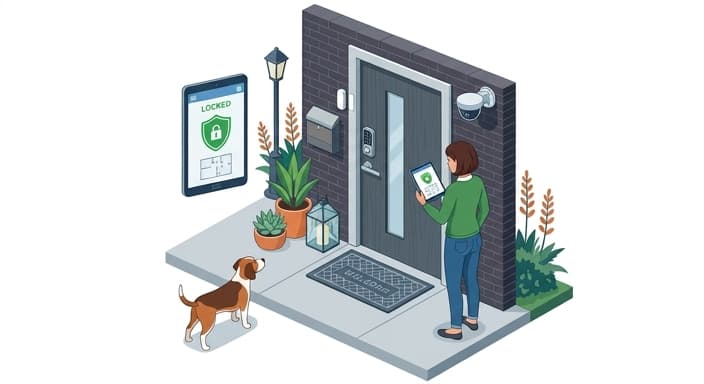
Smart Door Locks and Perimeter Security
Pet escapes are among the most harrowing experiences an owner can face. Whether it’s a door that didn't latch properly or an opportunistic escape artist, the ability to monitor entry points is a cornerstone of pet safety. Smart locks, when integrated with a home security system, provide a digital verification that your home’s perimeter is secure.
Beyond security, smart locks are essential for the "modern village" of pet care. By providing temporary, time-sensitive access codes to dog walkers, pet sitters, or neighbors checking in on your pet, you eliminate the need for hidden spare keys and ensure that you know exactly when someone has entered or exited your home. If a pet sitter fails to arrive, or if a door is left ajar, you receive an immediate notification, allowing you to rectify the situation before your pet is exposed to the dangers of the outdoors.
Integrating Technology into a Holistic Care Plan
The goal of implementing smart home tech is not to replace the human-animal bond with a screen, but to enhance the quality of care we provide by filling in the gaps left by our busy lives. When you integrate these systems, it is essential to approach them as a supplement to, rather than a replacement for, daily interaction. Always perform a "safety audit" of your tech—ensure cords are covered with chew-resistant conduit, check that devices are securely mounted out of reach, and verify that your Wi-Fi connection is stable.
By embracing these tools, you are creating a "smart safety net" that monitors your pet’s environment, health markers, and physical security. As a veterinarian, I find that the most successful pet parents are those who use technology to stay connected to their pet’s needs, even when they are physically miles away. Technology provides the data, but your love and observation provide the context. Together, they form the gold standard of modern pet guardianship, ensuring that your home remains the safe, thriving environment your companion deserves.
Common Questions
🤔
Frequently Asked Questions
How do smart cameras go beyond watching your pet?▼
Smart cameras provide two-way communication and advanced motion detection, not just passive video. Night vision and high-quality audio let you comfort a distressed pet or issue calming cues from anywhere. AI-powered smart alerts can differentiate between routine movement and potential emergencies like coughing, vomiting, or trouble standing, so you can assess via the live feed and decide whether a neighbor or sitter needs to respond.
What role do environmental sensors play in pet safety?▼
Temperature and humidity sensors placed where your pet spends time act as an early warning system. You receive smartphone alerts immediately when values drift outside safe ranges, reducing the risk of heatstroke or cold stress. Some systems integrate with smart thermostats so you can adjust the home environment remotely to keep your pet safe.
How can smart home tech address separation anxiety and stress in pets?▼
Real-time data and remote access let you monitor signs of distress, such as pacing or panting, and intervene before a crisis develops. Two-way communication lets you soothe your pet or guide them to a calm space even when you're away. With proactive monitoring, small stressors can be managed before they escalate into veterinary issues.
What should busy pet parents consider when deploying smart home tech for pet safety?▼
Focus on devices that offer two-way audio, reliable night vision, and AI alerts that distinguish normal movement from possible emergencies. Place climate and environmental sensors in rooms where your pet spends the most time to get timely warnings. Use the system to enable remote interventions, such as adjusting temperature or coordinating with a neighbor or pet sitter when needed.