Blog4/3/2026
Probiotic Supplements for Cat Gut Health: Vital Care
6 mins Read
The Briefing
Quick takeaways for the curious
The feline gut microbiome acts as a central regulator of immune function and overall health, so disruptions can ripple through the body.
Probiotic supplementation should be viewed as a proactive, foundational pillar of feline care, not merely a reactive remedy for diarrhea.
A healthy gut relies on a diverse community of beneficial bacteria, including Enterococcus faecium, Bifidobacterium, and Lactobacillus, which help ferment fiber and support immunity.
Indoor living and stressors can disrupt gut balance and promote dysbiosis, making cat-specific probiotics important to re-seed and maintain microbial health.
Signs of gut imbalance are often subtle and can include chronic soft stools, unusually foul gas, vomiting, and behavioral changes that may indicate systemic inflammation.
There is a persistent, outdated myth in the feline wellness community that digestive issues are merely an occasional inconvenience to be managed with a quick diet change, rather than a reflection of a complex internal ecosystem that dictates a cat’s entire immune function. As a veterinarian consultant, I frequently speak with devoted pet parents who dismiss frequent hairballs, soft stools, or a lackluster coat as "normal" feline quirks, unaware that these are often the first outward symptoms of a disrupted gut microbiome. We are finally moving toward a more sophisticated, proactive standard of feline care that leverages evidence-based probiotic supplementation not as a reactive "fix" for diarrhea, but as a foundational pillar of systemic health, effectively closing the gap between basic nutrition and the complex, lifelong microbial needs of our feline companions.
The Biological Reality of the Feline Microbiome
To understand why probiotic support is essential for our cats, we must first look at the biological reality of the feline gut. A cat's digestive tract is not merely a tube for processing food; it is a bustling, microscopic metropolis home to trillions of bacteria, fungi, and viruses known collectively as the microbiome. In a healthy state, this ecosystem maintains a delicate equilibrium. These "good" bacteria—primarily strains like Enterococcus faecium, Bifidobacterium, and Lactobacillus—work in tandem to ferment fibers, produce essential vitamins, and, most importantly, act as the primary gatekeepers of the cat's immune system.
Over 70% of a cat’s immune cells reside in the gut-associated lymphoid tissue (GALT). When the balance of the microbiome is tipped—whether through stress, poor diet, antibiotic use, or environmental toxins—the "bad" bacteria can proliferate. This leads to a state called dysbiosis, where the intestinal lining becomes permeable, allowing toxins to leak into the bloodstream. This "leaky gut" can trigger systemic inflammation, manifesting in everything from chronic skin allergies and feline acne to recurring urinary issues and irritable bowel syndrome (IBS). Understanding that the gut is the command center for your cat’s health is the first step toward true preventive medicine.
Why Modern Indoor Cats Need Probiotic Support
In the wild, ancestral cats maintained a diverse microbiome through the consumption of whole prey, including the nutrient-dense contents of their prey’s digestive tracts. Our modern indoor cats, however, live in a sterile environment that is often at odds with their evolutionary biology. Highly processed, shelf-stable dry kibbles, while convenient, often lack the living microbial diversity that a cat’s system is hardwired to process.
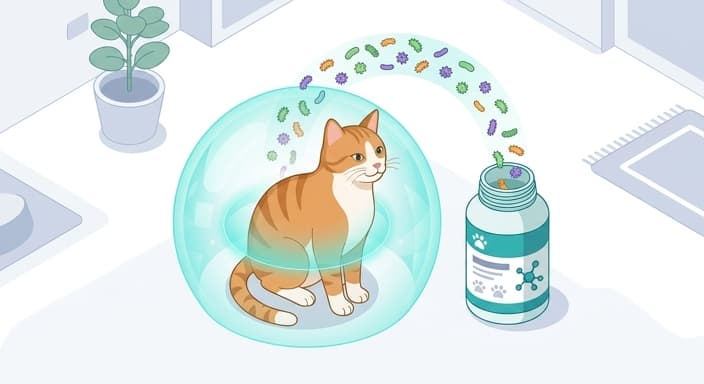
Furthermore, the modern house cat is subject to "hidden stressors"—frequent vet visits, changes in household routine, the arrival of a new pet, or even the subtle anxiety of being a prey-driven species living in a predator-free home. Stress releases cortisol, which directly alters the pH of the feline gut, creating an environment where beneficial bacteria struggle to survive. By introducing a high-quality, cat-specific probiotic, we are essentially "re-seeding" the gut with the essential reinforcements needed to withstand these environmental and emotional pressures. It is not about simply fixing an upset stomach; it is about providing the physiological armor necessary for a cat to thrive in a domestic setting.
Identifying the Signs of Gut Imbalance
Many pet parents struggle to identify when their cat needs a probiotic boost because cats are masters of masking discomfort. Unlike dogs, who might be vocal about a tummy ache, cats often display subtle behavioral changes that are easily overlooked. As a consultant, I tell my clients to look for the "silent signals" of dysbiosis.
The most obvious signs are, of course, gastrointestinal: chronic soft stools, unusually foul-smelling gas, or frequent, unexplained vomiting that is not related to hairballs. However, the signs often extend beyond the litter box. Does your cat have a dull, brittle coat despite a high-quality diet? This is often a sign that the cat is not absorbing nutrients effectively due to an inflamed gut lining. Are they suffering from recurrent ear infections or skin rashes? These are classic markers of an overactive immune system caused by gut-driven inflammation. Even behavioral shifts, such as increased lethargy or sudden pickiness with food, can be linked to the "gut-brain axis," where the state of the microbiome directly influences neurotransmitter production and mood. If you see these signs, it is a clear indicator that the microbial ecosystem is asking for support.
Selecting the Right Supplement: What Actually Works?
Not all probiotics are created equal. The pet supplement market is currently flooded with products, and as a veterinarian, I urge owners to be highly discerning. When selecting a probiotic for your cat, look for products that are "species-specific." A probiotic strain that works for a human or a dog may not have the same efficacy in a feline’s highly acidic digestive tract.
Look for products that specify the exact colony-forming units (CFUs) and, more importantly, the specific strains used. Strains like Enterococcus faecium SF68 and Bifidobacterium animalis have the strongest body of clinical evidence for feline safety and efficacy. Additionally, consider the delivery method. Probiotics are living organisms; they must survive the harsh environment of the stomach acid to reach the intestines. High-quality supplements often use micro-encapsulation technology to ensure the bacteria remain dormant and protected until they reach the target area in the colon. Avoid products that contain unnecessary fillers, artificial colors, or high-sugar flavorings, which can actually feed the "bad" bacteria you are trying to eliminate. Always consult with your veterinarian before starting a new supplement, especially if your cat is already on medication for a chronic condition.
Creating a Holistic Digestive Wellness Routine
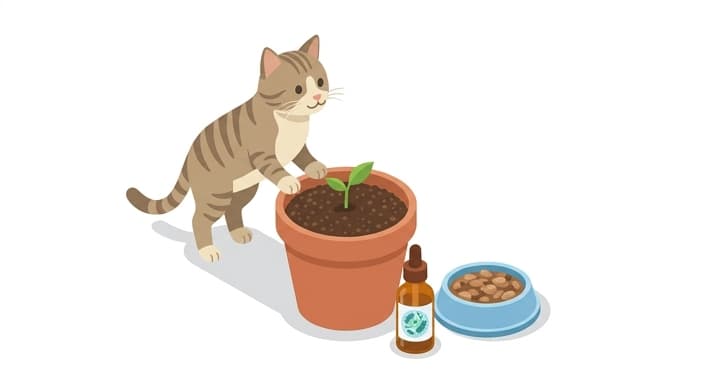
Adding a probiotic to your cat’s regimen is most effective when it is part of a broader, holistic approach to gut health. Think of the probiotic as the "seed" and your cat’s diet as the "soil." You cannot expect a lush garden if the soil is poor. To maximize the benefits of supplementation, prioritize high-moisture diets. Cats are biologically designed to get most of their water from their food; canned or raw diets provide the hydration necessary for proper digestion and transit time, reducing the risk of constipation.
Beyond diet, focus on minimizing environmental stressors. Create "vertical territory" for your cat with cat trees and shelving to reduce the anxiety of a shared household. Ensure the litter box is cleaned daily, as a dirty environment can discourage proper elimination habits. When you combine a high-quality, veterinarian-approved probiotic with a species-appropriate diet and a low-stress lifestyle, you are not just managing your cat's digestion—you are investing in their long-term vitality. This proactive approach helps your cat maintain a robust immune system, a vibrant coat, and the playful energy that makes our feline companions such a joy to be around.
Final Thoughts on Feline Longevity
The journey toward optimal feline health is rarely about a single "magic bullet," but rather the consistent application of sound, science-backed habits. Probiotic supplementation represents one of the most significant advancements in modern veterinary preventative care, offering a non-invasive, highly effective way to support the complex internal mechanisms that keep our cats healthy from the inside out. By shifting our perspective from reacting to illness to nurturing the microbial ecosystem that sustains health, we provide our cats with the best possible foundation for a long, vibrant life. Remember, a healthy gut is more than just a quiet tummy—it is the cornerstone of your cat’s overall well-being, paving the way for years of companionship and purrs.
Common Questions
🤔
Frequently Asked Questions
What is the feline gut microbiome and why is it important for health?▼
The feline gut microbiome is a complex ecosystem of bacteria, fungi, and viruses that processes food, supports metabolism, and educates the immune system. About 70% of a cat's immune cells reside in gut-associated lymphoid tissue (GALT), so a balanced microbiome helps prevent systemic inflammation and disease. When the microbiome becomes imbalanced, or dysbiotic, the gut barrier can weaken and contribute to conditions beyond the gut, such as skin issues or urinary problems.
How can probiotics help indoor cats dealing with stress and processed diets?▼
Cat-specific probiotics help re-seed the gut with beneficial microbes that are naturally suited to feline physiology. They support resilience against stress-related shifts in gut pH and microbial balance, which can be worsened by cortisol. This approach aims to maintain a robust gut barrier and immune readiness, rather than just treating an upset stomach.
What signs should alert me that my cat might need a probiotic boost?▼
Look for subtle changes that may mask discomfort, such as chronic soft stools, unusually foul gas, vomiting, or changes in appetite or coat quality. Behavioral shifts like withdrawal, reduced activity, or irritability can also accompany gut imbalance. If these signs persist, consult a veterinarian to determine whether a probiotic and overall gut health plan is appropriate.
How should I choose and use a probiotic supplement for my cat?▼
Select a high-quality, cat-specific probiotic with strains supported by research for feline health, and check for veterinary guidance. Follow label directions and start with the recommended dose, gradually monitoring stool quality, energy, and appetite. Use in combination with a balanced diet and regular veterinary checkups, and avoid relying on probiotics as a fix for all health issues.