Blog3/27/2026
Choosing Sustainable Cat Litter Options for a Greener Home
6 mins Read
The Briefing
Quick takeaways for the curious
The environmental cost of traditional clay litter comes from strip mining, heavy transport emissions, and landfilling, and it also contributes to a dusty, irritating environment for cats.
Sustainable litters—wood-based, paper-based, and byproduct options like corn, wheat, or soy—offer improved odor control and lower dust compared with clay.
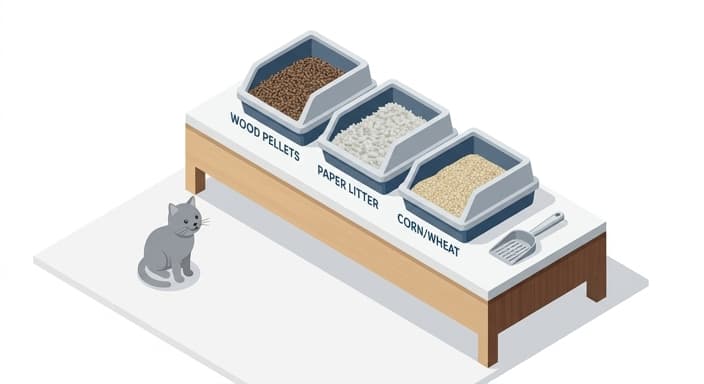
Wood-based litters are typically made from reclaimed wood such as pine or cedar and they can control odor through natural tannins that inhibit bacteria, while paper-based litters are typically dust-free and hypoallergenic.
Byproduct litters are frequently biodegradable and sometimes flushable, but owners should check local regulations and gradually transition to help cats acclimate to texture changes.
Odor management in sustainable litters stems from absorption speed and bacterial inhibition rather than perfumes, so choosing a material with good porosity and a clean litter box routine is key.
There is a persistent, outdated myth in the veterinary world that the most effective cat litter is the one that produces the least amount of dust, regardless of its ecological footprint. As a veterinarian, I frequently consult with cat parents who are exhausted by the environmental guilt of hauling heavy plastic jugs of clay litter to the curb, assuming that sustainable options are either prohibitively expensive or ineffective at managing odor, when in reality, we are finally moving toward a new, sophisticated standard of feline waste management that prioritizes both planetary health and your cat’s respiratory well-being.
The Hidden Environmental Cost of Traditional Clay
To understand why the shift toward sustainable litter is more than just a passing trend, we must look at the source of the most common products on the market. The majority of conventional cat litters are comprised of sodium bentonite clay, a material obtained through strip mining. This process involves stripping away layers of topsoil and vegetation, leading to habitat destruction and significant carbon emissions during transport. Furthermore, because clay is non-biodegradable and often contaminated with waste, it is destined for landfills where it will sit for centuries, effectively acting as a permanent geological deposit of ammonia and bacteria.
From a veterinary perspective, the issue isn't just ecological; it is physiological. Many clay-based litters rely on chemical fragrances and silica dust to mask odors, which can be irritating to a cat’s sensitive respiratory tract. Cats are meticulous groomers, and the fine particulate matter from clay litter can be ingested during their daily cleaning routines. By opting for sustainable, plant-based alternatives, you aren't just reducing your carbon footprint—you are choosing a cleaner, more natural medium that aligns with your cat’s evolutionary biology and keeps your home free of synthetic chemical dust.
Decoding Sustainable Alternatives: Wood, Paper, and Beyond
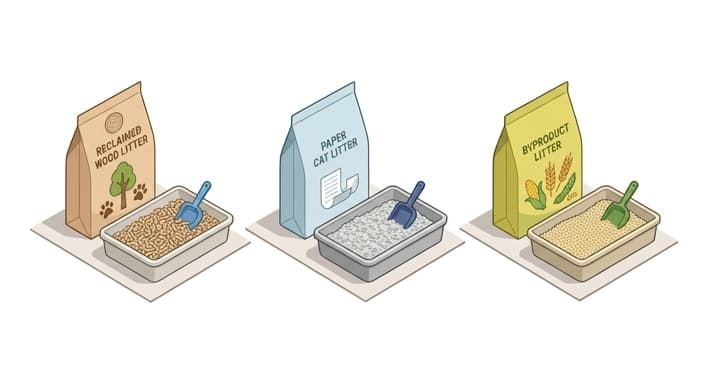
Navigating the "green" aisle can be overwhelming, but understanding the materials is key to finding the right fit for your home. Sustainable litters generally fall into three categories: wood-based, paper-based, and byproduct-based (such as corn, wheat, or soy).
Wood-based litters, typically made from reclaimed pine or cedar, are excellent for odor control due to the natural tannins in the wood that inhibit bacterial growth. They are highly absorbent and often come in pellet form, which reduces the "tracking" issues that drive many cat owners crazy. Paper-based litters are perhaps the most popular choice for households with cats recovering from surgery or those with sensitive paws. Because paper is highly processed and dust-free, it is a hypoallergenic gold standard.
Then we have the byproduct options, such as corn or wheat. These are often flushable (check your local plumbing regulations first!) and biodegradable. These materials are derived from agricultural waste, meaning they give a second life to crops that might otherwise go unused. As a vet, I always advise owners to make the switch gradually—mixing the old litter with the new over a period of two weeks—to ensure your cat feels comfortable with the change in texture under their paws.
Odor Management Without the Chemical Mask
A common concern I hear in the exam room is: "If it’s natural, will it smell like a farm?" The misconception that only harsh chemicals can neutralize ammonia is simply that—a misconception. Odor control in a litter box is primarily a function of two things: absorption speed and bacterial inhibition.
Sustainable litters often handle odor better than clay because they rely on natural properties rather than artificial perfumes. For example, plant-based fibers are highly porous, trapping moisture at the molecular level before bacteria have the chance to produce that tell-tale "litter box smell." To maximize the efficiency of your chosen sustainable litter, I recommend focusing on depth. Most people make the mistake of using too little litter; a solid three inches of substrate allows for proper clumping and prevents urine from reaching the bottom of the box, where it can become stuck and malodorous.
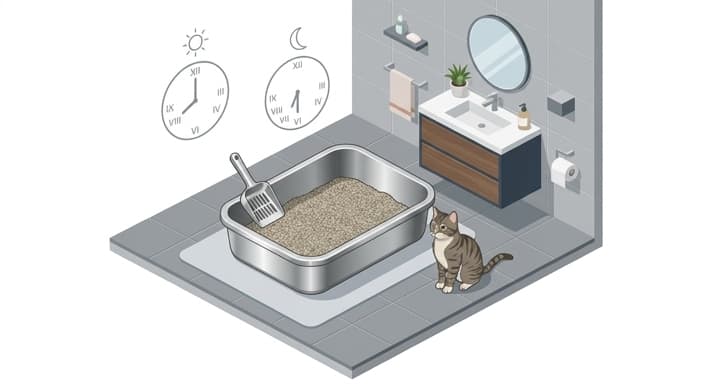
Regular maintenance is also vital. While sustainable litters are often more efficient, they aren't magic. Scooping twice daily—once in the morning and once in the evening—is the single most effective way to keep your home smelling fresh, regardless of the brand you use. Pair this with a high-quality stainless steel litter box, which is non-porous and won't harbor bacteria like scratched plastic, and you will find that your odor issues vanish almost entirely.
The Behavioral Aspect of Litter Transitions
As a veterinarian, I often see "litter box aversion" when owners switch brands too abruptly or choose a texture that is painful for the cat. When you are moving toward a sustainable option, treat it like an enrichment project. If your cat has spent their whole life on fine-grain clay, jumping straight to large, hard wood pellets can feel like walking on gravel for them.
Start by placing a second box in a quiet, low-traffic area with the new sustainable litter. This allows your cat to choose their preference without the stress of being forced to use a medium they dislike. Observe their usage patterns. Does your cat scratch vigorously? Do they prefer to bury their waste deeply? If they are a digger, a clumping corn or soy litter will mimic the texture of clay much better than pellets will. If your cat is a senior with arthritic joints, a lighter-weight litter is actually an advantage, as it makes the box easier for you to maintain and keeps the environment more hygienic.
Remember, the goal is to make the experience of using the litter box as positive as possible. If your cat is happy, they will use the box consistently. If you notice them standing on the edge of the box or frequently jumping out before finishing, they may be telling you that the texture isn't quite right. Listen to those cues, and don't be afraid to try a different sustainable base until you find the perfect match.
Creating a Circular Home Ecosystem
Embracing sustainable litter is a cornerstone of a truly modern, eco-conscious pet home. By moving away from strip-mined clay and toward renewable, plant-based materials, you are participating in a circular economy. Many of these litters are compostable (though, as a vet, I must add a warning: never use waste from a cat with known parasites or illnesses in a compost pile meant for food gardens).
Ultimately, the choice of litter is a daily act of care—care for your cat’s respiratory health, care for your home’s air quality, and care for the world outside your door. When you look at your cat’s litter box not as a chore, but as a part of your home’s overall wellness strategy, you find that the best solutions are the ones that work in harmony with nature rather than against it. Whether you choose wood, paper, or grain-based pellets, you are making a conscious decision to improve the quality of life for your pet while treading a little lighter on the planet. Start small, be patient with the transition, and enjoy the peace of mind that comes with a cleaner, greener cat care routine.
Common Questions
🤔
Frequently Asked Questions
What are the environmental and health drawbacks of traditional clay litter?▼
Traditional clay litter relies on sodium bentonite, which is mined from the earth and involves large scale strip mining. This process causes habitat disruption and emits carbon during transport. Clay litter is nonbiodegradable and often ends up in landfills for long periods, contributing to waste. In addition, many clay litters use chemical fragrances and silica dust that can irritate the respiratory tract of cats.
How should I choose among wood based, paper based, and byproduct litters?▼
Wood based litters are typically made from reclaimed wood such as pine or cedar and they can control odor through natural tannins that inhibit bacteria. They are highly absorbent and often form pellets that reduce tracking. Paper based litters are dust free and hypoallergenic, making them a good choice for sensitive paws or post surgical recovery. Byproduct litters such as corn or wheat are often biodegradable and may be flushable, but always check local regulations.
How do I transition my cat to a sustainable litter?▼
Start by mixing the new litter with the old litter over a two-week period to ease the change in texture. Observe how your cat responds to the feel and scent of the new material and adjust the ratio as needed. If your cat shows persistent resistance, consider trying a different sustainable option or a more gradual integration.
Are there tips to maximize odor control and minimize waste with sustainable litters?▼
Choose a material with rapid absorption and bacterial inhibition rather than relying on artificial perfumes. Scoop daily and perform regular litter box cleaning to maintain a fresh environment. Check local regulations for the disposal or flushability of the litter and follow safe disposal practices.