Blog3/10/2026
The Gentle Lagomorph: Vet's Guide to Living with Rabbits
8 mins Read
The Briefing
Quick takeaways for the curious
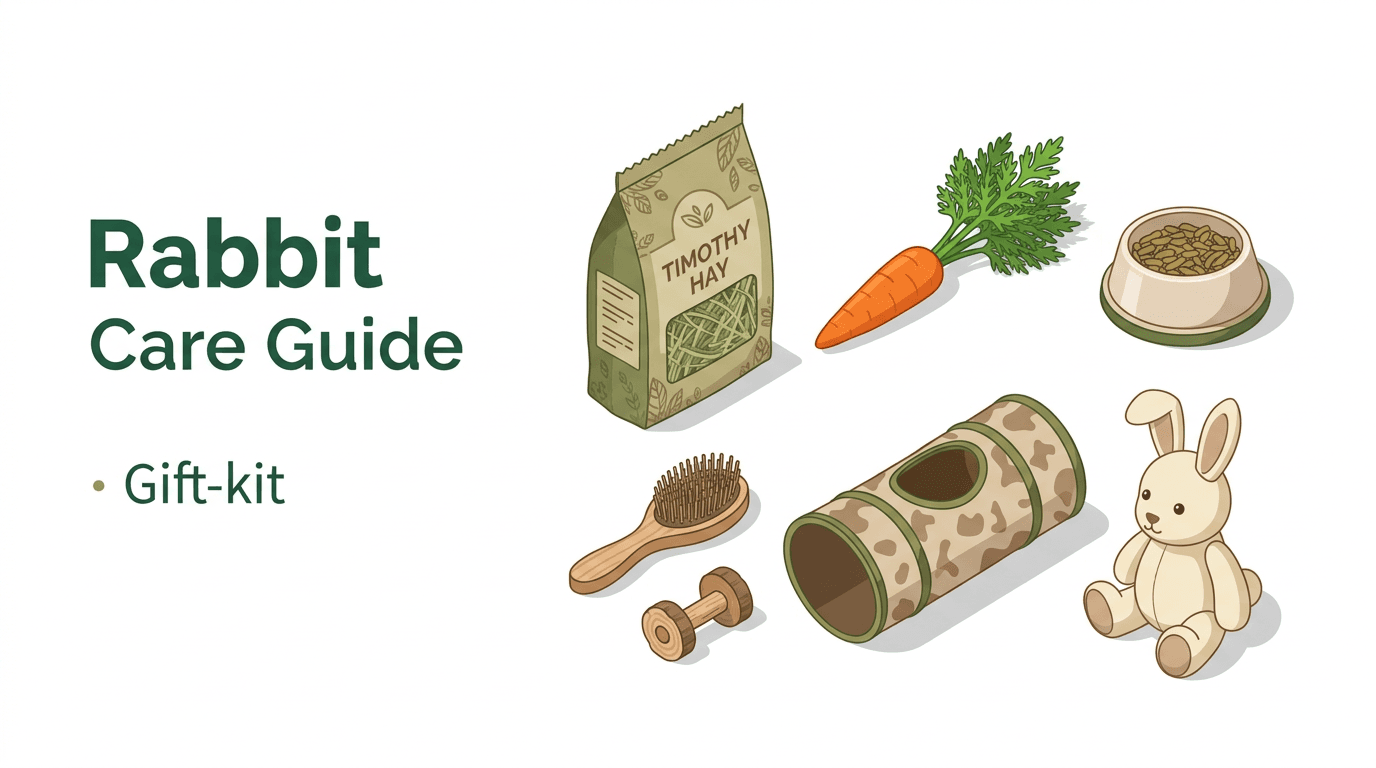
Rabbits are lagomorphs with unique dental and digestive adaptations—most notably a second set of peg teeth behind the upper incisors and a hindgut fermentation system that requires consistent high-fiber nutrition.
A rabbit’s diet follows the 80/10/5/5 rule: 80% hay, 10% leafy greens, 5% high-fiber pellets, and 5% additional safe items, with constant access to hay to support gut motility and dental wear.
Understanding breed differences, such as the Flemish Giant’s gentle temperament versus the Netherland Dwarf’s high energy, helps tailor housing, enrichment, and handling to each rabbit’s needs.
Domestic rabbits originated in the Iberian Peninsula and were historically farmed in leporaria before becoming cherished companions, highlighting their evolution from food sources to household members.
Rabbits require social interaction and environmental enrichment; without companionship and mental stimulation, they can develop stress and behavioral issues despite their quiet, affectionate demeanor.
Title: The Gentle Lagomorph: A Veterinarian’s Comprehensive Guide to Living with Rabbits
Often misunderstood as "low-maintenance" starter pets for children, rabbits are actually complex, sentient companions with social needs as deep as any dog or cat. From their rhythmic nose twitches to their gravity-defying "binkies," these lagomorphs offer a unique blend of quiet affection and mischievous intelligence that can transform a house into a home, provided we understand the world through their long, sensitive ears.
The Lagomorph Legacy: Beyond the "Rodent" Misconception
To truly care for a rabbit, we must first respect their biological identity. For centuries, rabbits were mistakenly categorized as rodents. However, in 1912, scientists officially moved them into their own order: Lagomorpha. The primary distinction lies in their teeth; while rodents have two upper incisors, rabbits possess a second, smaller pair of "peg teeth" tucked behind the primary ones. This evolutionary nuance is a nod to their specialized diet and constant need for grinding.
Historically, the domestic rabbit we know today (Oryctolagus cuniculus) traces its roots back to the Iberian Peninsula. Roman soldiers were among the first to "farm" rabbits in walled enclosures called leporaria. Over the millennia, they transitioned from a source of food and fur to beloved household members. Today, we see an incredible diversity of breeds, each with its own "personality profile." The Flemish Giant, often called the "Gentle Giant," can weigh up to 20 pounds and possesses a dog-like temperament. On the other end of the spectrum, the Netherland Dwarf is a tiny, high-energy ball of curiosity, while the Lionhead boasts a mane of wool that requires significant grooming but rewards owners with a docile, sweet nature. Understanding your rabbit's breed is the first step in tailoring their environment to their specific metabolic and emotional needs.
The Hindgut Fermenter: A Vet’s Guide to the Perfect Diet
If there is one thing I stress to every new rabbit parent in my clinic, it is this: a rabbit’s digestive system is a finely tuned machine that never stops. Rabbits are hindgut fermenters, meaning they process food in a way similar to horses. Their large cecum—a pouch at the junction of the small and large intestines—contains a delicate balance of bacteria that breaks down tough cellulose.
A rabbit's diet should follow the 80/10/5/5 rule:
- 80% High-Quality Grass Hay: Timothy hay, Orchard grass, or Oat hay must be available 24/7. The long fibers are essential for gut motility and for wearing down their teeth, which grow continuously throughout their lives.
- 10% Fresh Leafy Greens: Think dark, fibrous greens like romaine lettuce, cilantro, parsley, and kale. Avoid iceberg lettuce, which contains lactucarium and can be toxic in high amounts, and provide little nutritional value.
- 5% High-Fiber Pellets: These should be plain (no "muesli" mixes with seeds or dried fruit) and limited to about 1/4 cup per 6 lbs of body weight.
- 5% Healthy Treats: Small slices of apple (no seeds) or carrot should be reserved for training and bonding, as the high sugar content can disrupt cecal pH.
One of the most unique—and often startling—aspects of rabbit biology is coprophagy. Rabbits produce two types of droppings: hard, round fiber pellets and soft, nutrient-rich "night feces" called cecotropes. Rabbits must ingest these cecotropes directly from the source to re-absorb B vitamins and protein. If you see your rabbit doing this, do not be alarmed; it is a vital sign of a healthy digestive tract.
Beyond the Hutch: Creating a "Free-Roam" Sanctuary
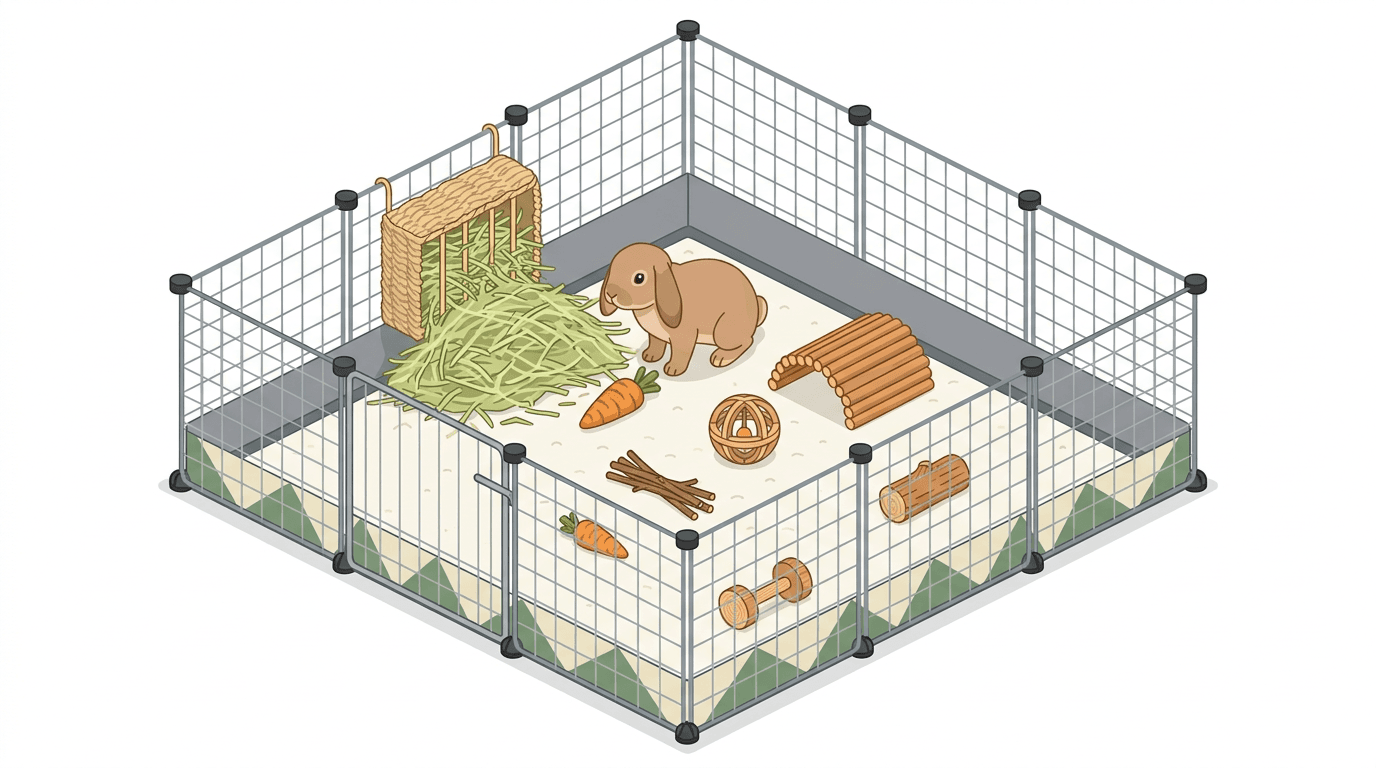
The traditional image of a rabbit in a small outdoor hutch is, quite frankly, outdated and detrimental to their health. Rabbits are crepuscular, meaning they are most active at dawn and dusk. During these times, they require significant space to run, jump, and stretch. I strongly advocate for indoor free-roaming or, at the very least, a large, dedicated exercise pen.
When transitioning a rabbit to indoor life, "rabbit-proofing" is non-negotiable. Their instinct to chew is not destructive in their minds; it is a biological necessity. Baseboards, furniture legs, and especially electrical cords are prime targets. Use plastic cord protectors and provide plenty of "legal" chewing alternatives like untreated willow branches, apple wood sticks, and cardboard castles.
Rabbits are also remarkably clean animals and can be easily litter trained. Like cats, they prefer a specific corner for their business. By placing a litter box (filled with paper-based bedding, never clay or cedar) in the corner they naturally choose—and topping it with a handful of fresh hay—you can encourage them to do their business in one spot. This is because rabbits naturally graze and go at the same time. A litter-trained rabbit is a happy rabbit, as it allows them to be a more integrated part of the family "warren."
Decoding the Silent Language: Understanding Rabbit Behavior
Because rabbits are prey animals, their language is subtle. They don't bark or meow; instead, they communicate through a complex series of body movements and quiet vocalizations. As a vet, I often tell owners to look for the "Binky"—a joyful explosion of energy where the rabbit leaps into the air, twists its body, and flicks its feet. This is the ultimate sign of a happy, secure rabbit.
Conversely, you must watch for the "Thump." When a rabbit strikes the ground with its powerful hind legs, it is signaling alarm or extreme displeasure. Historically, this was used to warn other rabbits in the wild of a predator. In your living room, it might mean they saw a scary shadow or are upset that you cleaned their favorite corner.
Other key behaviors include:
- The Flop: When a rabbit suddenly throws itself onto its side, it means they feel completely safe in their environment.
- Tooth Clicking: A soft, rhythmic clicking (similar to a cat’s purr) occurs when they are being petted and are content. However, loud tooth grinding can be a sign of intense pain.
- Nudging: If your rabbit nudges your hand with their nose, they are demanding attention or asking you to move out of their way.
- Chin Rubbing: Rabbits have scent glands under their chins. When they rub their chin on an object (or you!), they are "claiming" it as their own.
The "Quiet Patient": Veterinary Care and Preventative Health
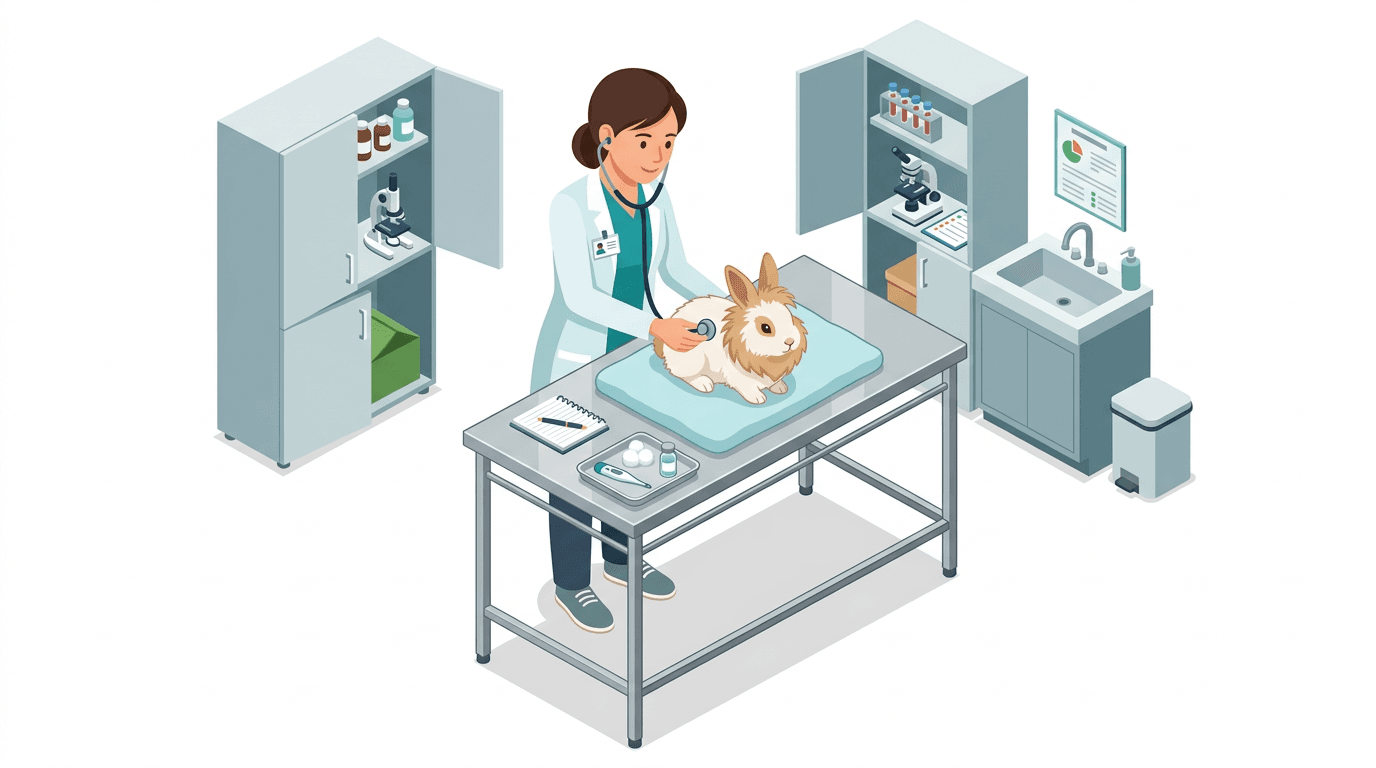
In the veterinary world, rabbits are known as "masters of disguise." In the wild, showing any sign of illness or weakness makes a rabbit a target for predators. Consequently, by the time a rabbit owner notices something is wrong, the situation is often critical. This makes regular wellness exams with an exotics-specialist veterinarian essential.
The most common emergency I see is GI Stasis. This is a life-threatening condition where the digestive system slows down or stops entirely. It can be triggered by stress, dental pain, or an improper diet. If your rabbit stops eating or producing droppings for more than 12 hours, it is a medical emergency.
Another pillar of rabbit health is spaying and neutering. Beyond preventing unwanted litters, these procedures are vital for health. Unspayed female rabbits have an incredibly high risk—up to 80% after age four—of developing uterine adenocarcinoma (uterine cancer). Furthermore, altering your rabbit reduces hormonal aggression, spraying, and territorial digging, making them much more affectionate companions.
Lastly, we must discuss RHDV2 (Rabbit Hemorrhagic Disease Virus). This is a highly contagious and fatal virus that has been spreading across various regions. It can be carried on shoes, clothing, or hay. I strongly recommend the RHDV2 vaccine for all domestic rabbits to provide them with a necessary shield against this devastating disease.
Key Takeaways for Rabbit Parents
- Rabbits are Lagomorphs, not rodents: They have unique dental and digestive needs.
- Hay is Life: 80% of their diet must be high-quality grass hay to prevent GI Stasis and dental overgrowth.
- Indoor Living is Best: Rabbits thrive when integrated into the home, but require thorough rabbit-proofing of cords and furniture.
- Spay and Neuter: This is a health requirement, not an option, especially to prevent uterine cancer in females.
- Learn the Language: Watch for binkies, flops, and thumps to understand your rabbit's emotional state.
- Find an Exotic Vet: Not all veterinarians are trained in rabbit medicine; ensure you have a specialist before an emergency arises.
- Bonding Takes Time: Rabbits are prey animals; earning their trust requires patience, sitting on the floor at their level, and letting them come to you.
A Bond Unlike Any Other
Living with a rabbit is a lesson in patience and the art of the "quiet" relationship. They do not demand your attention with the exuberance of a dog, nor do they observe you with the aloofness of a cat. Instead, they offer a gentle, grounding presence. When a rabbit chooses to hop into your lap or rests their head against your hand for "noogies," it is a profound gesture of trust. By honoring their biological needs and respecting their sensitive spirits, you don't just become a rabbit owner—you become part of their warren, a trusted friend in a world that can often feel a little too loud for a lagomorph. Embrace the twitching nose and the occasional zoomie; life is simply better with a bunny by your side.
Common Questions
🤔
Frequently Asked Questions
What is the proper diet for rabbits and what does the 80/10/5/5 rule mean?▼
Rabbits thrive on the 80/10/5/5 diet: 80% high-quality hay, 10% fresh leafy greens, 5% high-fiber pellets, and 5% additional safe items. Hay should be available 24/7 to support gut motility and keep teeth worn down, while greens should be fibrous and varied (romaine, cilantro, parsley, kale). Pellets should be plain and high-fiber, given in a small portion, and sugary mixes or added ingredients should be avoided. Treats should be limited, and any dietary changes should be discussed with a veterinarian.
Why are rabbits considered lagomorphs rather than rodents, and what are peg teeth?▼
Rabbits belong to the order Lagomorpha, not Rodentia. A key distinction is that rabbits have two upper incisors followed by a second, smaller pair of peg teeth behind them. This dental arrangement reflects their specialized diet and constant need for grinding, making a steady supply of fibrous food essential.
What are signs that a rabbit is happy and not stressed at home?▼
Happy rabbits show playful behavior like binkies, quick nose twitches, and relaxed posture. They seek social interaction, may groom themselves or companions, and explore their space with confidence. Providing consistent enrichment and gentle handling supports their emotional well-being.
How should I tailor housing and care for different rabbit breeds?▼
Breed matters for size, energy, and grooming needs: large breeds like Flemish Giants require spacious housing and sturdy enclosures, while small breeds like Netherland Dwarfs are more energetic and benefit from frequent enrichment. Some breeds, such as the Lionhead, require regular grooming due to their wool mane. Understanding a rabbit’s breed helps you tailor environment, nutrition, and social needs to their metabolic and emotional profile.