Blog4/10/2026
Telehealth for Minor Pet Ailments: Quick At-Home Vet Guidance
6 mins Read
The Briefing
Quick takeaways for the curious
Telehealth triage helps pet owners distinguish between conditions that can be managed at home and those that require in-person evaluation.
Understanding the urgency spectrum reduces unnecessary clinic visits and lowers owner anxiety while prioritizing genuine emergencies.
Virtual assessments leverage the home environment to observe signs like gait, posture, breathing, and skin changes in a more relaxed setting.
A wide range of common ailments such as skin conditions, mild GI upset, and certain behavioral changes can be effectively managed with guided telehealth consultations.
Telehealth expands access, saves time, and can lower costs while maintaining evidence based standards of veterinary care.
There is a persistent, outdated myth in the modern pet care community that the only way to address a minor health concern is a stressful, time-consuming, and often expensive trip to the local veterinary clinic, leading many owners to believe that they must choose between their busy schedules and their pet’s immediate comfort. As a veterinarian consultant, I frequently speak with anxious pet parents who view sudden, minor symptoms—like a localized skin irritation, a mild dietary upset, or a questionable ear twitch—as crises that demand a physical exam, failing to realize that these situations are often perfectly suited for the rapidly evolving world of veterinary telehealth. We are finally moving toward a more sophisticated, accessible standard of veterinary medicine that treats digital consultation not as a "lesser" alternative to in-person care, but as a foundational pillar of modern triage, effectively closing the gap between a worried owner and the professional, evidence-based guidance they need to make informed decisions for their companion’s well-being.
The Telehealth Triage: Decoding the "Urgency Spectrum"
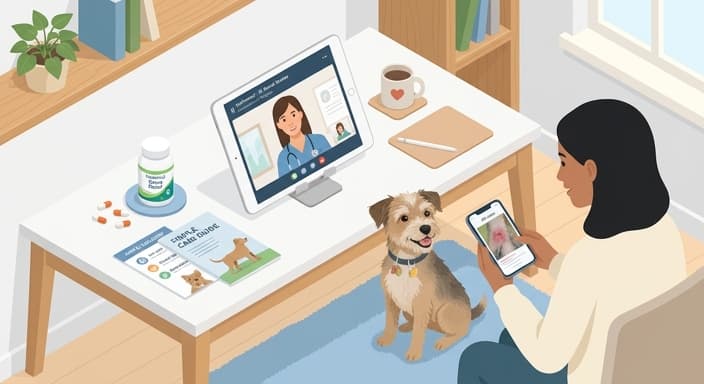
To understand why telehealth is a transformative tool for pet owners, we must first look at the concept of the "urgency spectrum." Not every sniffle, scratch, or change in behavior warrants an emergency room visit or an immediate physical examination, yet the lack of professional input often leaves owners paralyzed by uncertainty, leading to unnecessary stress for the pet. Veterinary telehealth platforms serve as a vital filter, allowing a licensed professional to assess clinical signs—such as the appearance of a rash, the consistency of stool, or the nature of a pet's lethargy—via high-definition video or secure image uploads. By evaluating these signs remotely, we can accurately categorize the ailment: is this something that can be managed with home care and monitoring, or is there a genuine, time-sensitive medical necessity that requires a physical diagnostic suite? This triage process empowers owners to act with confidence, significantly reducing the "wait and see" anxiety that often plagues pet households.
The Biomechanics of Digital Diagnostics
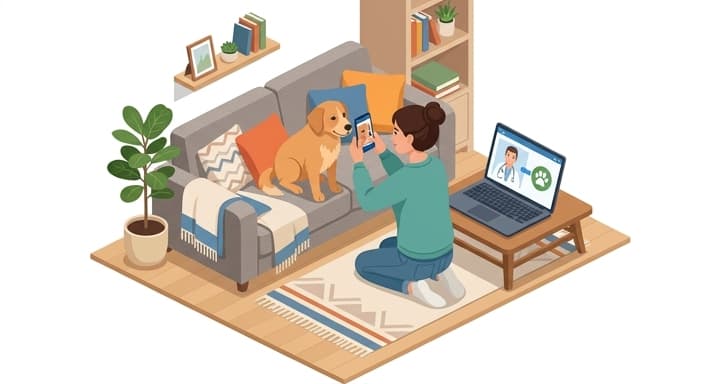
When we conduct a telehealth session, we are essentially extending the veterinarian’s diagnostic reach through the owner’s lens. While we cannot palpate an abdomen or listen to heart sounds through a screen, we can conduct a robust visual assessment that captures critical data points often missed in the high-stress environment of a clinic. For instance, in a familiar home setting, a pet is often more relaxed, allowing us to observe their gait, their posture, and their breathing patterns in their natural state. Furthermore, high-resolution photography allows us to zoom in on dermatological issues, ocular redness, or dental concerns with a level of clarity that might be hampered by a squirming, nervous patient on an exam table. This "at-home" data gathering often provides a more accurate picture of the pet’s baseline, stripping away the "white coat syndrome" that can artificially elevate a pet's heart rate or mask subtle behavioral clues.
Common Ailments Perfectly Suited for Virtual Consults
While telehealth is not a replacement for emergency surgery or complex diagnostic imaging, it is an exceptionally powerful tool for a wide range of common, minor ailments that frequently cause pet parents grief. Skin conditions—such as hot spots, allergic dermatitis, or suspicious lumps—are prime candidates for virtual review, as they rely heavily on visual characteristics that can be captured via smartphone. Similarly, gastrointestinal disturbances that present as mild, intermittent vomiting or diarrhea without associated lethargy can often be managed with guided dietary adjustments or probiotic recommendations provided during a video call. Even behavioral nuances, such as excessive paw licking or unusual vocalization, can be assessed through the lens of a telehealth professional who can provide actionable, low-stress solutions that begin immediately, rather than waiting for an available appointment slot two weeks down the line.
Streamlining the Workflow of Pet Wellness
The efficiency of telehealth creates a streamlined workflow that benefits both the pet and the owner's lifestyle. Consider the logistical burden of transporting a cat, who may be terrified of the carrier, to a clinic for a minor issue that turns out to be a simple case of dry skin or a minor seasonal allergy. By utilizing telehealth, we mitigate the stress response—a physiological state that can actually exacerbate some conditions, such as feline idiopathic cystitis or anxiety-related grooming. Furthermore, telehealth allows for a more collaborative approach to chronic condition monitoring. We can check in on the progress of a healing wound or the efficacy of a new environmental change without requiring a full office visit, effectively integrating veterinary care into the rhythm of daily life rather than treating it as an isolated, high-stakes event. This integration fosters a continuous relationship between the owner and the veterinary team, ensuring that minor concerns are addressed before they have the opportunity to cascade into major, systemic issues.
Navigating the Limits: When to Seek In-Person Care
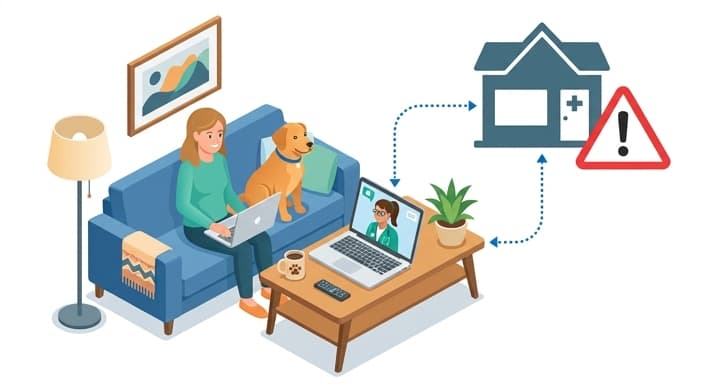
As an expert, it is my duty to emphasize that while telehealth is a game-changer, it is not a panacea. The key to successful pet ownership in the digital age is knowing the boundary between a "minor ailment" and a "red flag." Telehealth is a diagnostic aide, but it cannot replace the physical tools of the veterinary clinic when it comes to blood work, radiography, or emergency stabilization. If your pet is experiencing persistent respiratory distress, inability to urinate, signs of trauma, or a sudden, dramatic change in mental state, these are instances where the physical exam is non-negotiable. Telehealth works best when it acts as an extension of your primary care veterinarian, providing a bridge of communication that helps you determine if the situation is one that can be managed at home or one that requires immediate, hands-on intervention. By viewing telehealth as a supportive partner to traditional medicine, we create a layered, robust approach to pet health that is both proactive and appropriately reactive.
The Future of Connected Pet Parenting
The shift toward virtual veterinary services represents a necessary evolution in how we care for the animals who share our lives. By leveraging technology to bridge the gap between initial concern and professional assessment, we are creating a more responsive, less stressful, and ultimately more effective health ecosystem. Whether you are dealing with a recurring ear infection, a confusing patch of dry skin, or simply need expert guidance on how to manage a minor dietary hiccup, telehealth offers a path forward that values your time and your pet’s comfort. By staying informed and utilizing these digital tools, you are not just treating symptoms; you are building a more resilient, well-supported life for your companion, ensuring they stay vibrant and healthy for years to come. Ultimately, the best pet care is that which is accessible, timely, and focused on the unique needs of your individual animal, and telehealth is the modern tool that finally makes that standard a reality for every household.
Common Questions
🤔
Frequently Asked Questions
What types of minor health issues are well suited for telehealth for pets?▼
Telehealth works well for visible skin problems like hot spots and dermatitis, mild GI disturbances without dehydration, and certain behavioral concerns. A licensed veterinarian can assess photos or video to help differentiate conditions that can be self managed from those needing in person care. It is not appropriate for emergencies or situations with severe pain, lethargy, or dehydration. They can provide guidance on home care, safety monitoring, and when to seek urgent care.
How does telehealth triage determine when an in person visit is necessary?▼
The vet gathers information about the symptom, onset, duration, severity, and how the animal behaves at home. Through visual inspection and owner reported data, they categorize the issue as something manageable at home, something to monitor, or a clear need for in person diagnostics. If red flags appear, they will direct immediate in clinic evaluation or emergency care. This process aims to balance prompt care with appropriate resource use.
What should I prepare before a telehealth appointment?▼
Prepare a description of the symptom, onset and any changes, note your pet's appetite, energy, and water intake, and gather any medications or recent vet records. Have high quality photos or short videos ready to share, and be prepared to perform simple demonstrations if asked by the clinician. Write down questions in advance to use during the session. This prep helps the veterinarian make a more accurate assessment remotely.
Is telehealth private and how is my data handled?▼
Telehealth platforms used for veterinary care typically employ secure, encrypted connections to protect your information. Clinicians obtain consent for remote evaluation and clearly communicate the limits of virtual care. Your data may be stored and shared with your regular veterinarian if you authorize it, in line with privacy policy and applicable laws. Always contact emergency services if your pet shows signs of a life threatening condition, regardless of telehealth.