Blog3/30/2026
Sustainable Insect-Based Protein for Dogs: Eco-Friendly Nutrition
6 mins Read
The Briefing
Quick takeaways for the curious
Insect-based proteins, particularly Black Soldier Fly Larvae, can provide a complete amino acid profile for dogs and offer digestibility that rivals traditional meat sources.
Beyond protein, BSFL supply lauric acid and chitin, which support immune function and gut health, making them advantageous for dogs with sensitive stomachs.
Insect proteins are often better tolerated by dogs with food sensitivities because they are biologically distinct from common mammalian or avian proteins, reducing IgE-mediated allergic reactions.
Adopting insect-based pet foods can lower the environmental footprint of pet nutrition, requiring less land and water and enabling use of pre-consumer waste in a circular economy.
Together, nutritional adequacy and sustainability considerations position insect-based diets as a forward-looking option that aligns canine wellness with planetary health.
There is a persistent, outdated myth in the veterinary world that a dog’s protein source must come from traditional livestock to be considered "biologically appropriate," leaving many pet owners to assume that beef, chicken, and lamb are the only pathways to canine vitality. As a veterinarian consultant, I frequently consult with devoted pet parents who are surprised to learn that high-quality, insect-based proteins are not just an eco-friendly trend, but a nutritional powerhouse that offers superior digestibility and a lower allergen profile than many conventional meats. We are finally moving toward a more sophisticated, proactive standard of canine nutrition that prioritizes planetary health alongside physiological wellness, effectively closing the gap between sustainable sourcing and optimal performance.
The Nutritional Science Behind Insect Protein
To understand why insect-based protein is gaining traction in veterinary clinics, we must look at the biological reality of canine nutrient requirements. When we discuss "protein" for dogs, we are really talking about the amino acid profile—the building blocks required for muscle repair, enzyme production, and immune function. Black Soldier Fly Larvae (BSFL), the most common insect used in pet food, is a "complete" protein. It contains all ten essential amino acids that dogs cannot synthesize on their own, often in concentrations that rival or exceed those found in poultry or beef.
Beyond the protein content, insects provide highly bioavailable nutrients. They are rich in lauric acid, a medium-chain fatty acid known for its antimicrobial and anti-inflammatory properties, which can help support a robust immune system. Furthermore, the chitin found in the insect exoskeleton acts as a prebiotic fiber, nourishing the beneficial bacteria in the gut microbiome. This creates a dual-benefit scenario where the dog receives a premium protein source while simultaneously supporting digestive health, making it an excellent choice for dogs with sensitive stomachs or chronic gastrointestinal issues.
Addressing the Allergen Crisis in Modern Canines
In my practice, I have seen an exponential rise in dietary sensitivities over the last decade. Many dogs struggle with chronic itching, recurrent ear infections, and digestive upset, often triggered by common protein sources like chicken or beef. The term "novel protein" is frequently used to describe a food source the dog has never encountered before, effectively bypassing the immune system’s triggered response.
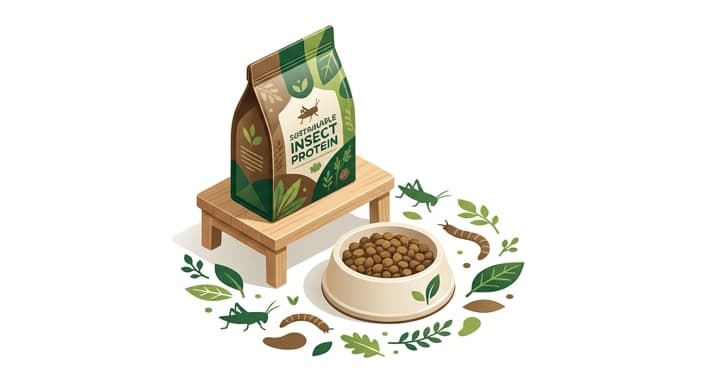
Insect protein is the gold standard of novel proteins. Because it is biologically distinct from traditional mammalian or avian proteins, it rarely triggers the IgE-mediated immune response that characterizes food allergies. For a dog that has spent years cycling through prescription hydrolyzed diets, switching to a high-quality insect-based formula can be life-changing. It allows the gut to heal from chronic inflammation by eliminating the inflammatory "trigger" proteins, often resulting in healthier skin, a shinier coat, and a significant reduction in the constant scratching that plagues so many allergy-prone dogs.
The Sustainability Mandate: Why Every Pet Parent Matters
We cannot talk about the future of veterinary nutrition without addressing the environmental footprint of our companions. The pet food industry is a massive contributor to global resource consumption, with traditional livestock farming requiring vast amounts of water, land, and carbon-intensive feed. As pet owners, we are effectively stewards of the environment; the choices we make in the bowl have direct, measurable impacts on the climate.
Insect farming is a masterclass in efficiency. Black Soldier Fly Larvae require a fraction of the land and water needed for cattle or poultry, and they can be raised on pre-consumer food waste, effectively turning "trash" into a high-value nutrient source. This circular economy model is the future of sustainable pet ownership. By choosing insect-based protein, you are not just feeding your dog; you are actively reducing the demand for intensive industrial farming, sequestering carbon, and minimizing your household's ecological paw-print. It is a rare instance where the most ethical choice for the planet is also one of the most nutritious choices for your pet.
Navigating the Transition: A Practical Guide for Owners
Transitioning your dog to an insect-based diet should be handled with the same care and patience as any other dietary change. Because the flavor profile of insect protein is earthier and richer than traditional meat, most dogs find it highly palatable, but the gut still requires an adjustment period to shift its enzyme production to match the new food.
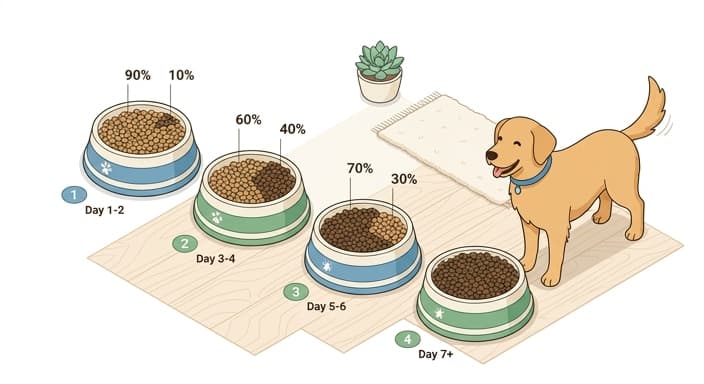
I recommend a "slow and steady" transition over the course of 7 to 10 days. Start by replacing 25% of your dog’s current food with the new insect-based formula, gradually increasing this amount while decreasing the old food. During this time, keep an eye on stool quality and energy levels. If you notice any transient loose stools, slow the transition down further.
When choosing an insect-based product, look for brands that are transparent about their sourcing and processing. You want a formula that lists insect protein (such as "dried black soldier fly larvae") as the first ingredient. Additionally, check for third-party testing or AAFCO (Association of American Feed Control Officials) statements to ensure the diet is nutritionally balanced for your dog’s life stage. Don't be afraid to ask the manufacturer about their quality control processes; reputable companies in this space are usually eager to share their rigorous safety standards.
Debunking the "Gross" Factor
There is a natural human hesitation when it comes to feeding our dogs insects. We have been conditioned to view insects as pests rather than sustenance. However, it is vital to remember that in the wild, the ancestors of our domestic dogs were opportunistic omnivores, frequently consuming insects, grubs, and larvae as part of their natural diet.
When you purchase a high-quality insect-based kibble or treat, you aren't feeding your dog "bugs" in the way you might imagine. The insects are processed, dried, and ground into a shelf-stable, nutrient-dense meal that looks and smells like standard premium pet food. Your dog will not know or care that their protein source has six legs rather than four; they will only experience the high-quality nutrition, the improved energy levels, and the relief from the inflammation caused by traditional proteins. By overcoming our own cultural biases, we unlock a powerful tool for our pets' health and a necessary solution for our planet’s future.
Integrating sustainable insect-based protein into your dog’s diet is a proactive, scientifically-backed step toward better health and a more sustainable lifestyle. By prioritizing high-quality, hypoallergenic nutrition that respects our planet’s limited resources, you are investing in your dog's longevity while contributing to a healthier world. As we continue to evolve our understanding of canine wellness, the shift toward sustainable, insect-based proteins stands out as one of the most exciting and impactful changes in modern veterinary nutrition.
Common Questions
🤔
Frequently Asked Questions
What makes Black Soldier Fly Larvae a nutritionally viable protein source for dogs?▼
Black Soldier Fly Larvae provide a complete set of essential amino acids that dogs cannot synthesize on their own, supporting muscle repair, enzyme production, and immune function. They often deliver high digestibility, potentially matching or surpassing some traditional meat sources like poultry or beef. In addition to protein, BSFL contains lauric acid, which has antimicrobial and anti-inflammatory properties, and chitin from the exoskeleton that acts as a prebiotic fiber to support gut microbiota. These factors together can make BSFL-based formulas a robust nutritional option in veterinary diets.
How does insect-based protein address common canine allergies and digestive issues?▼
Insect proteins are considered novel compared to more common meat sources, meaning they are less likely to trigger prior immune sensitization and IgE-mediated reactions in many dogs. By removing or reducing exposure to traditional allergens like chicken or beef, insect-based diets can lessen chronic itching, skin inflammation, and digestive upset for some dogs. The gut may heal as inflammatory trigger proteins are minimized, often leading to improved stool quality, skin condition, and coat shine over time. A vet can help determine if an insect-based diet is appropriate for a specific allergy profile.
Are insect-based dog foods nutritionally complete and safe for all life stages?▼
When produced by reputable manufacturers, insect-based dog foods can be formulated to meet complete and balanced nutritional profiles for various life stages, including puppies, adults, and seniors. It is important to choose products that provide appropriate energy density, calcium-to-phosphorus ratios, and added vitamins and minerals for the target life stage. As with any diet change, gradual transition and veterinary guidance are recommended to ensure the dog's individual needs are met. Regulatory guidance and quality controls are critical to ensure safety and nutritional adequacy.
What are the environmental and sustainability benefits of insect farming for pet food?▼
Insect farming, particularly with larvae like BSFL, requires substantially less land and water than traditional livestock farming. These insects can be raised on pre-consumer food waste, transforming waste streams into high-value nutrients and contributing to a circular economy. The lower resource footprint of insect farming supports planetary health while delivering durable protein sources for pets. While promising, scaling, regulatory standards, and supply chain transparency remain important considerations for widespread adoption.