Blog4/12/2026
Probiotic Benefits for Dog Gut Health: A Practical Guide
6 mins Read
The Briefing
Quick takeaways for the curious
A healthy gut microbiome is a foundational pillar of a dog's systemic health, influencing digestion, immunity, and vitality.
Dysbiosis from stress, antibiotics, and processed diets can compromise gut barrier function and overall wellbeing, highlighting the importance of proactive management.
Probiotics introduce live strains like Lactobacillus and Bifidobacterium that replenish beneficial microbes and support nutrient absorption and immune surveillance.
The gut-brain axis means gut health can affect mood, stress resilience, and behavior in dogs, making probiotic support relevant to behavioral concerns.
When choosing a probiotic, prioritize strain specificity and guaranteed CFUs at expiration to ensure the product delivers viable bacteria when your dog needs them.
There is a persistent, outdated myth in the modern pet care community that a dog’s digestive issues—such as occasional gas, loose stools, or a sensitive stomach—are simply "part of being a dog" or an inevitable byproduct of their scavenging nature. As a veterinarian consultant, I frequently speak with frustrated pet parents who view their dog's gastrointestinal struggles as a minor, albeit messy, inconvenience, failing to realize that the gut is the command center of the entire canine immune system. We are finally moving toward a more sophisticated, proactive standard of wellness that treats the microbiome not as an afterthought, but as a foundational pillar of systemic health, effectively closing the gap between a dog who experiences constant digestive volatility and one who enjoys robust vitality from the inside out.
The Microbiome Revolution: Understanding the Canine Gut Ecosystem
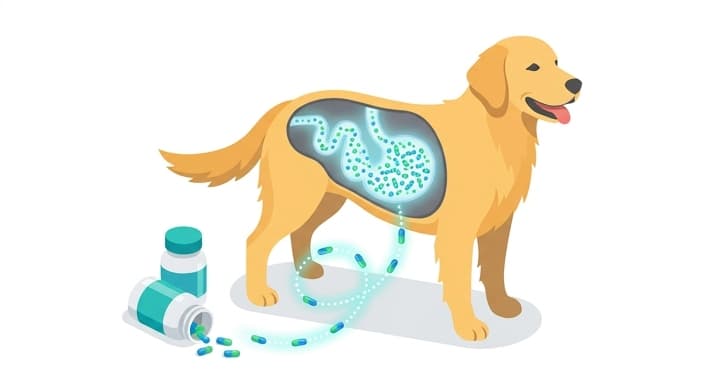
To understand why probiotics are a game-changer for our canine companions, we must first look at the "microbial landscape" that lives within their digestive tracts. A dog’s gut is home to trillions of bacteria, fungi, and viruses, collectively known as the microbiome. When this ecosystem is in balance—a state known as eubiosis—these beneficial microbes act as a protective barrier, synthesizing essential vitamins, fermenting dietary fibers into energy-rich short-chain fatty acids, and crowding out harmful pathogens like Salmonella or E. coli.
However, the modern canine lifestyle is often hostile to this delicate balance. Factors like chronic stress, the frequent use of antibiotics, highly processed commercial diets, and environmental toxins can lead to dysbiosis, where the population of "good" bacteria plummets. This is where probiotics—live microorganisms that confer a health benefit when administered in adequate amounts—step in. By introducing targeted strains like Lactobacillus and Bifidobacterium, we aren't just treating a stomach ache; we are actively replenishing the biological workforce responsible for nutrient absorption and immune surveillance.
Beyond Digestion: The Gut-Brain and Gut-Immune Axes
One of the most exciting breakthroughs in veterinary science is the recognition of the "gut-brain axis." We now know that the gut and the brain are in constant communication via the vagus nerve and the production of neurotransmitters. Interestingly, a significant percentage of serotonin—the "feel-good" hormone—is produced in the gut. For dogs suffering from generalized anxiety or reactive behaviors, a compromised microbiome may be contributing to their emotional state. By supporting gut health with probiotics, we are often able to see a subtle but profound improvement in a dog’s mood, stress resilience, and overall demeanor.
Furthermore, roughly 70% of a dog’s immune system resides in the gut-associated lymphoid tissue (GALT). This means that a healthy, thriving microbiome is the first line of defense against allergies, skin conditions, and chronic inflammation. When the gut barrier is compromised—a condition often called "leaky gut"—undigested food particles and toxins can escape into the bloodstream, triggering systemic immune responses. Probiotics help strengthen the tight junctions between intestinal cells, ensuring that the gut remains a selective gatekeeper rather than an open door for pathogens.
Selecting the Right Strain: Quality Over Marketing
Not all probiotic supplements are created equal, and the pet supplement industry is unfortunately rife with products that fail to deliver on their promises. As a veterinarian, I advise pet owners to look past the flashy packaging and scrutinize the label for specific criteria. First, look for "colony-forming units" (CFUs). A high-quality probiotic should guarantee a specific number of viable bacteria at the time of expiration, not just at the time of manufacture.
Second, consider the "strain specificity." Different strains have different functions. For example, Enterococcus faecium is often used for acute diarrhea management, while Bifidobacterium animalis is excellent for general immune support. If your dog is dealing with a specific condition, ask your vet if a single-strain or a multi-strain formula is appropriate. Finally, look for supplements that have been independently tested for stability. Because probiotics are live organisms, they are sensitive to heat, light, and moisture; if the manufacturer doesn't use a specialized delivery system (like micro-encapsulation or freeze-drying), the bacteria may be dead before your dog even eats them.
Implementing a Probiotic Protocol: Practical Tips for Success
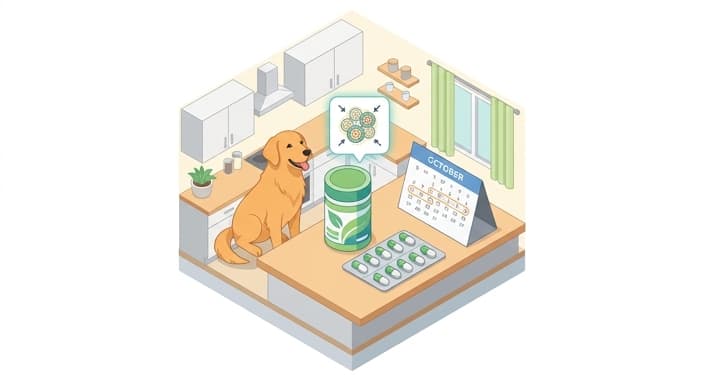
Integrating a probiotic into your dog’s routine should be a measured, intentional process. If you are starting a supplement for the first time, do not expect an overnight miracle. The microbiome is a complex community that takes time to shift. I typically recommend a four-to-six-week trial period to gauge effectiveness. During this time, monitor your dog’s stool quality, energy levels, and coat condition. Consistency is key; probiotics are transient, meaning they don't permanently colonize the gut in most cases, so daily administration is necessary to maintain those beneficial levels.
It is also important to consider the "prebiotics" in your dog's diet. Prebiotics are non-digestible fibers that serve as "food" for the probiotic bacteria. Ingredients like chicory root, beet pulp, pumpkin, and psyllium husk act as fuel for the good bacteria you are introducing. If you provide the probiotics without the fuel, the new bacteria will struggle to gain a foothold. Many modern high-quality dog foods include these fiber sources, but adding a spoonful of plain, canned pumpkin (not pie filling!) to your dog’s bowl can be a simple, natural way to boost their prebiotic intake.
When to Consult Your Veterinarian
While probiotics are generally considered safe for most dogs, they are not a substitute for veterinary care, especially when dealing with acute or chronic illness. If your dog is experiencing persistent vomiting, blood in the stool, lethargy, or unexplained weight loss, these are red flags that require a physical examination and diagnostic testing. Probiotics are a powerful tool in the wellness toolkit, but they shouldn't be used to mask symptoms of a more serious underlying issue like inflammatory bowel disease (IBD), pancreatic insufficiency, or food allergies.
Always talk to your veterinarian before starting any new supplement, particularly if your dog is on immunosuppressive medication or has a history of immune-mediated disease. Your vet can help you identify whether your dog's gut issues are dietary, infectious, or related to a broader systemic condition, ensuring that the probiotic you choose is part of a comprehensive, safe, and effective care plan.
In conclusion, managing your dog’s gut health is one of the most proactive steps you can take as a pet parent. By moving away from the idea that digestive issues are normal and embracing the science of the microbiome, you empower your dog to feel their absolute best. Whether it’s improving their stool quality, boosting their immune system, or even supporting their emotional well-being, the right probiotic strategy can bridge the gap between a dog that is merely surviving and a dog that is truly thriving.
Common Questions
🤔
Frequently Asked Questions
What is the gut microbiome and why does it matter for dogs?▼
The gut microbiome is the trillions-strong community of bacteria, fungi, and viruses living in a dog's digestive tract that supports digestion, vitamin synthesis, and immune defense. A balanced microbiome, or eubiosis, helps protect against pathogens and optimizes energy extraction from the diet. Disruption of this ecosystem, or dysbiosis, can weaken gut integrity and contribute to systemic health issues. Probiotics work by replenishing beneficial strains and supporting barrier function and immune surveillance.
How can probiotics affect digestion, immunity, and behavior?▼
Probiotics introduce targeted strains that bolster the gut barrier and optimize nutrient absorption, potentially reducing gas, loose stools, and sensitivity. They interact with gut-associated lymphoid tissue to support immune surveillance and reduce chronic inflammation. Through the gut-brain axis, improved gut health can influence mood and stress resilience in some dogs. However, results vary by individual dog and strain, so consistency and proper dosing matter.
What should I look for when choosing a probiotic for my dog?▼
Look for CFUs guaranteed at the expiration date, not just at the time of manufacture. Prioritize strain specificity and evidence of canine benefit, since different strains serve different functions. Check the label for identifiable, viable strains and appropriate storage requirements to ensure viability. Avoid products with vague claims and consult your veterinarian to choose a probiotic tailored to your dog.
Are there risks or how should I introduce probiotics safely?▼
Probiotics are generally safe, but you should consult a veterinarian before starting, especially for puppies, immunocompromised dogs, or dogs on antibiotics. Introduce probiotics gradually to gauge tolerance and to reduce the risk of transient gas or discomfort. Follow the recommended dosing and duration, and avoid stopping antibiotics without veterinary guidance if the goal is to support gut health. Monitor your dog for improvements or adverse reactions and adjust as needed.