Blog4/11/2026
Elevated Bowls for Senior Dogs: Comfort & Digestive Health
6 mins Read
The Briefing
Quick takeaways for the curious
Elevated bowls reduce neck extension and shoulder loading in senior dogs, easing mealtime comfort.
They support orthopedic health by minimizing strain from ground-level feeding amid arthritis, IVDD, and back pain.
Elevating bowls improves digestive flow and reduces aerophagia by enabling a more neutral swallowing posture and less air intake.
For dogs with megaesophagus or esophageal motility issues, elevation helps gravity move food toward the stomach and lowers regurgitation risk.
The right height is crucial: not too high, not too low; aim for a chest-high, neutral head position that respects the dog's anatomy.
There is a persistent, outdated myth in the modern pet care community that the way a dog eats is purely a matter of convenience, leading many owners to believe that a bowl placed directly on the floor is the natural, optimal way for a senior dog to consume their daily meals. As a veterinarian consultant, I frequently speak with devoted pet parents who view feeding stations as simple household items, failing to realize that for an aging dog, the physical act of lowering their neck and head to ground level can be a source of significant discomfort, strain, and even digestive distress. We are finally moving toward a more sophisticated, ergonomic standard of geriatric care that treats the feeding environment not as a passive accessory, but as a critical component of orthopedic health and digestive efficiency, effectively closing the gap between a senior dog who struggles through mealtime and one who dines with ease, comfort, and dignity.
The Mechanics of Aging: Why Ground-Level Feeding Becomes a Burden
To understand why elevated bowls are a game-changer for our aging companions, we must first look at the "biomechanical tax" that occurs as a dog enters their senior years. Just as humans experience changes in spinal integrity and joint mobility, senior dogs often grapple with osteoarthritis, intervertebral disc disease (IVDD), and general muscle atrophy. When a dog reaches down to a bowl resting on the floor, they are forced into a position of neck hyper-extension and shoulder loading. For a dog with stiff joints or a sore back, this repeated motion is akin to a human with chronic back pain being asked to perform a deep squat every time they take a sip of water or a bite of kibble.
Over time, this repetitive stress can lead to increased inflammation in the cervical spine and front limb joints. Furthermore, for dogs with megaesophagus or mild esophageal motility issues—conditions that become more prevalent with age—eating at ground level can increase the risk of regurgitation. Gravity, when leveraged correctly, acts as an ally in moving food from the esophagus into the stomach. By raising the vessel, we reduce the distance and the angle the food must travel, allowing for a more seamless transition that supports both orthopedic health and digestive comfort.
Improving Digestive Flow and Reducing Aerophagia
Beyond the orthopedic benefits, there is a strong physiological argument for elevating feeding stations regarding air intake. When dogs eat from the floor, especially if they are "gulpers" or suffer from anxiety-induced eating, they often ingest significant amounts of air—a condition known as aerophagia. This trapped air in the stomach can lead to uncomfortable bloating, excessive gas, and, in more severe cases, an increased risk of gastric distress.
When a bowl is elevated to the height of the dog’s chest, they are able to stand in a more neutral, "stacked" position. This posture allows for a more controlled swallow reflex and a natural alignment of the esophagus and the stomach. By minimizing the neck angle, we help the dog maintain a steady rhythm during their meal, which slows down the intake process and reduces the volume of swallowed air. For the senior dog, whose metabolism and digestive enzymes are already working harder to process nutrients, this simple adjustment can significantly reduce the "post-meal slump" and discomfort, ensuring that the energy they derive from their food is used for vitality rather than recovering from the physical act of eating.
Selecting the Right Height: The "Chest-High" Rule
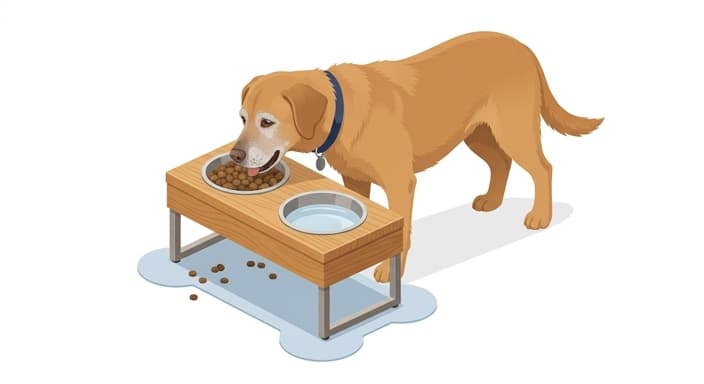
One of the most common mistakes pet parents make is assuming that "higher is better" without considering their specific dog’s anatomy. If a bowl is set too high, you risk forcing the dog to strain their neck upward, which is just as detrimental as straining downward. The goal of an elevated station is to allow the dog to eat with their head in a neutral position—parallel to the floor or only slightly inclined.
As a rule of thumb, the rim of the bowl should be level with the dog's lower chest or the base of their sternum. When your dog stands comfortably, measure the distance from the floor to the bottom of their chest; that is your target height. For giant breeds like Great Danes or Mastiffs, this height is obviously significant, while for a senior Dachshund or a Spaniel, the "elevation" may only be a few inches. Investing in an adjustable-height stand is often the smartest choice, as it allows you to fine-tune the position as your dog’s mobility changes or as you monitor their comfort levels over time. It is also essential to ensure the stand itself is heavy and stable; a senior dog with balance issues may be startled or even injured if their bowl stand wobbles or slides across a slippery kitchen floor.
Addressing Orthopedic Barriers: Stability and Safety
When we talk about senior care, we must address the environment surrounding the bowl as much as the bowl itself. A senior dog with arthritis often suffers from decreased proprioception—the awareness of where their limbs are in space. If the feeding station is placed on a slick tile or hardwood floor, the dog may feel insecure, causing them to splay their legs or tense their muscles to keep from sliding. This tension negates the ergonomic benefits of the elevated bowl.
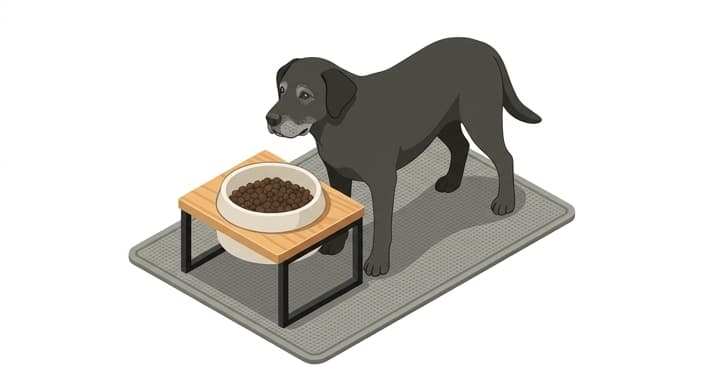
To truly optimize the feeding experience, place the elevated station on a high-traction, non-slip mat. This provides the sensory feedback and stability necessary for your dog to stand confidently. Additionally, consider the diameter of the bowl. For dogs with long ears or those who struggle with depth perception, a wide, shallow bowl is often preferable to a deep, narrow one. A wide bowl prevents the "whisker fatigue" and claustrophobic feeling that can cause senior dogs to lose interest in their meals. By creating a stable, accessible, and low-stress "dining zone," you are not just feeding your dog; you are creating a sanctuary that respects their changing physical needs and honors the bond you share.
When to Consult Your Veterinarian
While elevated feeding is a powerful tool for comfort, it is not a substitute for medical intervention. If you notice your senior dog is consistently struggling to eat, losing weight, or showing signs of pain during mealtime, these should be addressed with a comprehensive veterinary exam. We must differentiate between a physical barrier (like a bowl that is too low) and an underlying pathology (like tooth resorption, oral tumors, or neurological decline).
Furthermore, for breeds at high risk of Bloat (Gastric Dilatation-Volvulus), there has been long-standing debate regarding elevated bowls. While the research is nuanced, the current veterinary consensus suggests that for healthy, younger, deep-chested dogs, elevation may increase risk; however, for the senior dog already suffering from mobility issues, the comfort and digestive benefits of elevation often outweigh the risks, provided the dog is not a "gourmand" who eats at a frantic pace. Always discuss your specific breed and your dog’s individual health history with your veterinarian before making significant changes to their feeding environment.
Ultimately, caring for a senior dog is a delicate balance of observation and adaptation. By moving away from the "one-size-fits-all" approach to feeding and embracing the simple, science-backed benefits of elevated bowls, you provide your companion with a daily experience of comfort rather than a daily struggle with pain. These small, intentional changes are the hallmarks of a proactive, compassionate pet parent, ensuring that your dog’s golden years are marked by the same ease and joy that defined their youth. When we prioritize their physical comfort in the mundane activities of life, we give them the greatest gift of all: the ability to focus on what matters most—spending time by our side.
Common Questions
🤔
Frequently Asked Questions
What makes elevated pet bowls beneficial for senior dogs?▼
Elevated bowls address the biomechanical changes that come with aging by reducing neck strain and shoulder loading during meals. This can lessen discomfort from conditions like osteoarthritis and IVDD and support more comfortable, dignified dining. By easing the physical act of eating, senior dogs may show improved mealtime enjoyment and digestive comfort.
How does elevation affect a dog's digestion and risk of aerophagia?▼
Raising the feeding station encourages a more neutral swallowing posture, which helps move food more efficiently from the esophagus to the stomach. It also reduces the amount of air swallowed during meals, lowering bloating, gas, and potential gastric distress. For seniors, this can translate into steadier energy use after meals and less post-meal discomfort.
What is the chest-high rule and why does it matter?▼
The chest-high rule emphasizes placing the bowl at a height that allows the dog to eat with a neutral head position, parallel to the floor or only slightly angled. Too-high setups can strain the neck and worsen pain, while too-low setups perpetuate downward neck bending. The goal is a balanced, ergonomic posture that supports both orthopedic health and digestion across different dog sizes.
Are there any considerations when choosing an elevated bowl setup for a senior dog?▼
Yes. Select a height that fits the individual dog's anatomy, size, and mobility, and avoid the misconception that 'higher is always better.' Test and adjust the setup to ensure the neck remains in a comfortable, neutral position during meals. Stability and bowl design matter as well to prevent slipping and ensure easy access for reduced strength.