Blog4/13/2026
Senior Dog Joint Health Tips: Proactive Care for Active Pups
6 mins Read
The Briefing
Quick takeaways for the curious
Proactive joint health care is essential for maintaining mobility and quality of life in senior dogs, not just reacting when pain becomes obvious.
Understanding the biology of wear helps owners recognize that osteoarthritis is a treatable condition, not an inevitable sign of aging.
Targeted supplementation with the Big Three—Glucosamine, Chondroitin, and MSM—along with omega-3 fatty acids supports cartilage health and helps modulate joint inflammation.
Choose supplements with third-party testing and work with a veterinarian to tailor dosages to your dog's weight and medical history.
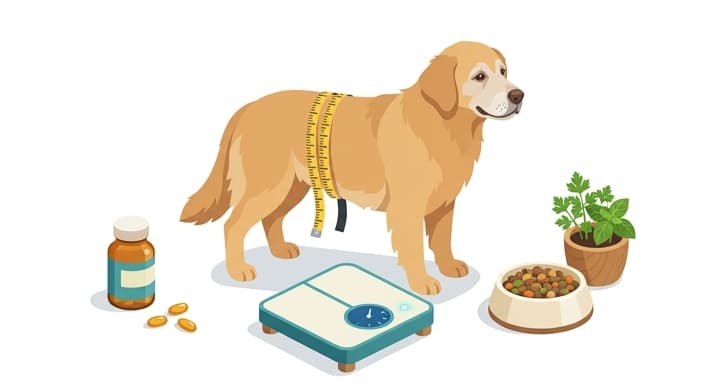
Weight management is the most impactful lifestyle intervention for joint health, because extra weight directly increases load on hips, knees, and spine.
There is a persistent, outdated myth in the modern pet care community that a senior dog’s slowing pace, hesitation on the stairs, or reluctance to rise in the morning are simply "inevitable signs of getting old" or an unavoidable byproduct of a life well-lived. As a veterinarian consultant, I frequently speak with resigned pet parents who view their dog’s stiffness as a permanent, untreatable "senior tax," failing to realize that chronic joint discomfort is not merely a sign of aging, but a medical condition that, if left unmanaged, erodes a dog’s quality of life and spirit. We are finally moving toward a more sophisticated, proactive standard of geriatric care that treats joint health not as a reactive measure to be addressed only when a dog stops walking, but as a foundational pillar of senior wellness, effectively closing the gap between a dog who exists in a state of chronic, low-grade pain and one who continues to enjoy active, fluid, and joyful golden years.
The Biology of Wear: Understanding Articular Degradation
To understand why proactive joint support is a game-changer for our senior companions, we must first look at the "mechanical landscape" of the canine joint. A healthy joint is a marvel of engineering, lined with smooth, shock-absorbing articular cartilage and lubricated by a viscous fluid called synovial fluid. Throughout a dog’s life, this system undergoes constant microscopic wear and repair. In a younger dog, the body’s metabolic rate and regenerative capacity are high enough to replace damaged collagen fibers and maintain synovial viscosity effortlessly.
However, as a dog enters their senior years, the biological "repair crew" begins to slow down. The chondrocytes—the cells responsible for maintaining cartilage—become less efficient, leading to a thinning of the protective cushion. Simultaneously, the synovial fluid may lose its elasticity, resulting in increased friction between the bones. This is the stage where osteoarthritis (OA) often takes root. It is a progressive, inflammatory cycle: the joint hurts, so the dog moves less; as they move less, the muscles supporting the joint atrophy; as the muscles weaken, more stress is placed directly on the joint, accelerating the degradation. Recognizing this cycle is the first step in breaking it.
Nutritional Foundations: The Power of Targeted Supplementation
Modern veterinary medicine has moved beyond "wait and see" approaches, focusing instead on nutritional support that targets the inflammatory pathway before it becomes debilitating. The "Big Three" in joint supplementation—Glucosamine, Chondroitin Sulfate, and MSM—remain the gold standard for a reason. Glucosamine serves as a building block for cartilage, while Chondroitin helps to inhibit the enzymes that break down cartilage, and MSM (Methylsulfonylmethane) acts as a potent anti-inflammatory agent.
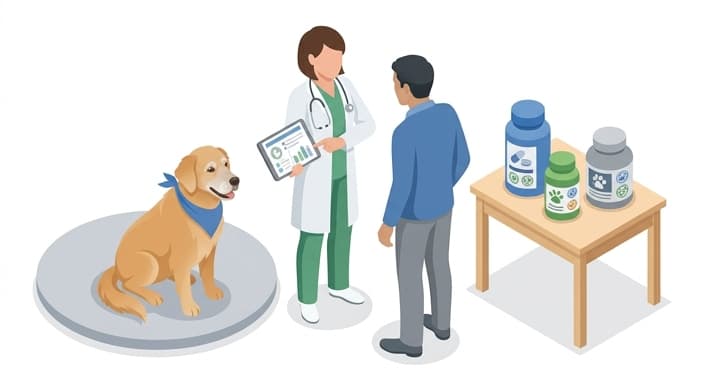
Beyond these staples, Omega-3 fatty acids, particularly EPA and DHA derived from cold-water fish oil, are non-negotiable for the senior dog. Unlike plant-based sources, marine-derived Omega-3s have a profound ability to modulate the inflammatory response by reducing the production of prostaglandins—the chemical messengers that signal pain and swelling in the joints. When choosing a supplement, look for third-party testing certifications to ensure potency and purity, and always consult your veterinarian regarding the correct dosage for your dog's specific weight and medical history.
Weight Management as Medical Intervention
If there is one "magic pill" for joint health, it isn’t a supplement—it is the scale. In my clinical experience, the most impactful thing a pet parent can do for a senior dog with arthritic joints is to achieve and maintain an ideal body condition score. Every extra pound of body weight acts like a weight vest that never comes off; it places a significant, constant load on the hips, knees, and spine, exacerbating the friction of damaged joints.
Weight management for seniors requires a delicate balance. We want to reduce the load on the joints while preserving lean muscle mass, which is crucial for stability. This often means switching to a diet formulated for seniors that is lower in calories but higher in high-quality, digestible protein. I often recommend "slow and steady" weight loss, aiming for a 1-2% body weight reduction per week. Combine this with frequent, low-impact exercise—such as short, multiple-frequency walks rather than one long, grueling hike—to keep the joints lubricated without causing post-exercise inflammation.
The Role of Physical Rehabilitation and Modalities
We are living in an era where physical therapy is no longer reserved for canine athletes; it is a vital component of geriatric care. Modalities such as hydrotherapy, laser therapy (photobiomodulation), and acupuncture have transitioned from "alternative" to "integrative" standards in many veterinary practices. Hydrotherapy, specifically, is a miracle worker for seniors. By using the buoyancy of water, we can allow a dog to strengthen their quadriceps and gluteal muscles without the jarring impact of walking on pavement.
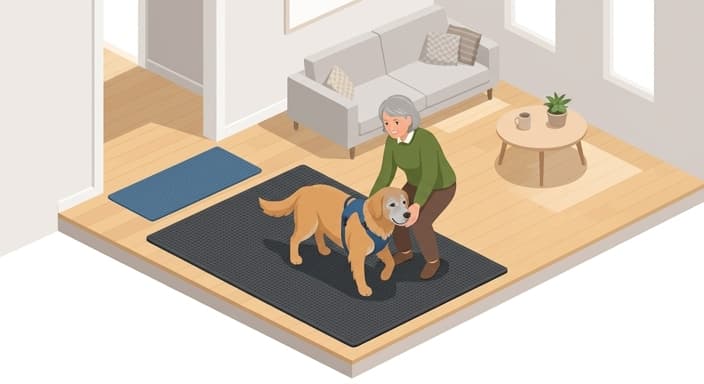
At home, you can implement simple physical therapy techniques. Passive Range of Motion (PROM) exercises, where you gently flex and extend your dog’s limbs while they are lying down, can help maintain joint mobility and improve blood flow to the joint capsule. Additionally, environmental modifications are essential. If your home has hardwood or tile floors, your senior dog is likely struggling to maintain traction, which causes them to "splay" and puts undue stress on their joints. Placing yoga mats or non-slip runners in high-traffic areas provides the stability they need to navigate the house with confidence.
Recognizing the Subtle Signals of Discomfort
Dogs are stoic creatures; they have evolved to hide signs of weakness to avoid appearing vulnerable. By the time a dog is whining or limping, the joint damage is usually quite advanced. As a pet parent, you must become a student of the "micro-signs." Watch for subtle shifts in behavior: a reluctance to jump into the car, a tendency to walk up stairs slowly or at an angle, "bunny hopping" when running, or simply choosing to lie down during a walk.
Another key indicator is the "warm-up" effect. If your dog is stiff when they first rise from a nap but seems to move more fluidly after a few minutes of walking, this is a classic hallmark of osteoarthritis. Keeping a "pain diary" on your phone—noting these subtle changes—is an invaluable tool for your veterinarian. It allows us to track the progression of their condition and adjust their multimodal pain management plan (which may include prescription NSAIDs, monoclonal antibody injections, or joint-specific diets) before a "flare-up" occurs.
Cultivating a Proactive Partnership for Longevity
Supporting a senior dog’s joint health is a marathon, not a sprint. It requires a partnership between you and your veterinarian, anchored in the understanding that your dog’s comfort is the ultimate measure of success. By integrating high-quality nutrition, diligent weight management, physical rehabilitation, and a keen eye for behavioral nuances, you aren't just slowing the progression of arthritis—you are actively extending the years of connection and joy you share with your companion.
The goal of geriatric care is to ensure that your dog’s body is a comfortable vessel for their spirit, allowing them to remain the curious, engaged, and loving family member they have always been. When we treat joint health as a foundational pillar rather than a reactive nuisance, we grant our seniors the dignity and mobility they deserve. As you navigate these golden years, remember that every small adjustment—a soft bed in the living room, a ramp for the porch, or a consistent supplement regimen—is a testament to the depth of your bond. Your senior dog may be moving a little slower, but with the right support, they can continue to walk beside you with grace and contentment for a long time to come.
Common Questions
🤔
Frequently Asked Questions
What are common early signs that a senior dog may have joint issues?▼
Common early signs include stiffness after rest, hesitation on stairs, and a slower, more cautious gait. Your dog may be reluctant to rise or jump, and you might notice reduced activity and guarding of a painful limb. These signs point to joint pain and should prompt a veterinary exam to assess for osteoarthritis and other issues. Early management can slow progression and improve quality of life.
Which supplements are commonly recommended for senior dogs with arthritis?▼
The traditional approach centers on the Big Three—Glucosamine, Chondroitin Sulfate, and MSM—as building blocks for cartilage and anti-inflammatory support. Omega-3 fatty acids EPA and DHA from marine sources help modulate inflammation and pain. Always choose supplements with third-party testing and discuss dosing with your veterinarian to fit your dog's weight and medical history. Consistency matters, and some dogs respond better to a tailored combination.
How should I approach weight management for a senior dog with joint issues?▼
Start by aiming for an ideal body condition score under veterinary guidance and set a realistic weight loss goal. Implement gradual, steady weight loss with measured portions and a diet formulated for joint health or weight control. Pair calorie management with gentle, low-impact exercise such as short walks and assisted range-of-motion activities to maintain muscle support around the joints. Regular weigh-ins and veterinary check-ins help ensure the plan remains safe and effective.
How can I integrate proactive joint care into my dog’s daily routine?▼
Incorporate daily low-impact exercise, such as short walks and gentle range-of-motion stretches, to maintain joint mobility without overloading joints. Use a proactive plan that includes consistent supplementation, vet-approved strength training, and regular activity adjustments based on your dog's response. Schedule routine veterinary checks to monitor progression and adjust treatment as needed. Pair activity with proper rest, comfortable bedding, and supportive tools like ramps and non-slip surfaces to reduce joint stress.