Blog4/11/2026
Personalized Nutrition Plans for Senior Pets to Thrive
6 mins Read
The Briefing
Quick takeaways for the curious
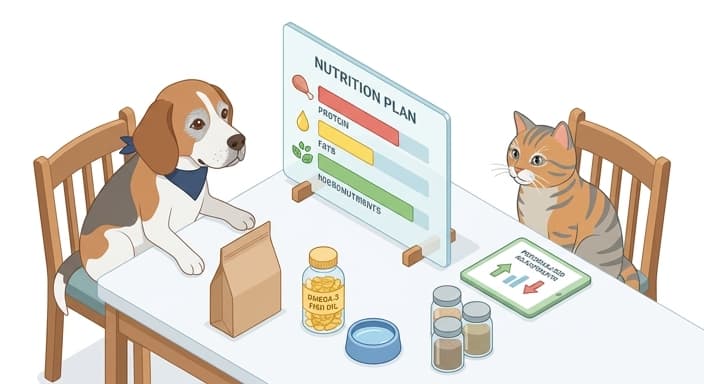
Personalized nutrition plans replace one-size-fits-all 'Senior' labels and address the unique metabolic shifts in aging pets.
Veterinarians use blood work and physical assessments to tailor macro- and micronutrient targets for each animal, considering organ health and inflammatory status.
Protein quality matters more than quantity; high-biological-value proteins support muscle mass and immune function without overburdening the kidneys.
The gut-brain-joint axis is targeted with therapeutic levels of omega-3 fatty acids and carefully chosen micronutrients to manage inflammation, cognition, and mobility.
Hydration, nutrient bioavailability, and calorie density are essential; plans incorporate taurine, L-carnitine, B-vitamins, antioxidants, and kidney- and heart-sensitive adjustments.
There is a persistent, outdated myth in the modern pet care community that senior nutrition is a "one-size-fits-all" endeavor, leading many owners to believe that simply switching to a bag of kibble labeled "Senior" is enough to support their aging companion’s changing physiology. As a veterinarian consultant, I frequently speak with devoted pet parents who view diet as a static necessity rather than a dynamic medical intervention, failing to realize that the metabolic, cellular, and physical requirements of a seven-year-old dog or cat are vastly different from those of a younger animal. We are finally moving toward a more sophisticated, personalized standard of geriatric wellness that treats nutrition not as a passive feeding habit, but as a foundational pillar of longevity, effectively closing the gap between a pet who merely gets older and a senior companion who maintains vitality, cognitive sharpness, and physical comfort well into their golden years.
The Metabolic Shift: Why Aging Requires Precision
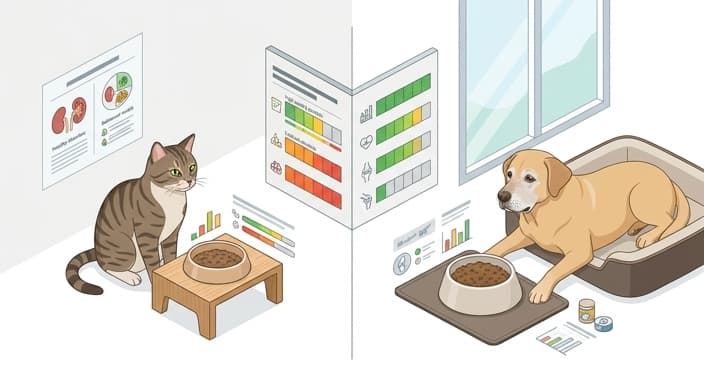
To understand why a personalized nutrition plan is a game-changer, we must first look at the "metabolic drift" that occurs as our pets enter their senior years. Just like humans, pets experience a gradual decline in their basal metabolic rate, a reduction in the efficiency of their digestive enzymes, and a shift in their protein-to-fat requirements. Many senior pets suffer from sarcopenia—the age-related loss of muscle mass—which can be exacerbated by diets that are too low in high-quality, bioavailable protein. When we rely on generic "senior" diets, we often inadvertently provide a "middle-of-the-road" nutrient profile that fails to address the specific cellular stressors unique to your pet, such as joint inflammation, oxidative stress, or declining organ function. Personalization means looking at the individual: a senior cat with early-stage kidney sensitivity needs a vastly different phosphorus and protein balance than a senior Labrador suffering from severe osteoarthritis. By viewing nutrition through this lens, we transition from merely "feeding" our pets to actively managing their aging process through precise nutrient intake.
Decoding the Needs of the Geriatric Body
When we craft a personalized nutrition plan, we aren't just adjusting calories; we are engineering a support system for every organ system. The first priority is often the gut-brain-joint axis. As pets age, their inflammatory response becomes dysregulated, often manifesting as chronic, low-grade inflammation that fuels joint pain and cognitive decline. A personalized plan integrates functional ingredients like Omega-3 fatty acids (specifically EPA and DHA) at therapeutic, rather than just maintenance, levels to dampen this inflammatory fire. Furthermore, we must consider the bioavailability of micronutrients. Senior pets often have reduced absorption capabilities in the gastrointestinal tract, meaning they may require higher concentrations of B-vitamins, antioxidants like Vitamin E and C, and specific amino acids like taurine and L-carnitine to keep the heart muscle strong and the brain functioning clearly. Rather than guessing, we use blood chemistry panels and physical assessments to determine exactly which micronutrients are trending downward, allowing us to build a dietary strategy that compensates for these specific geriatric deficits.
The Role of Protein Quality and Hydration
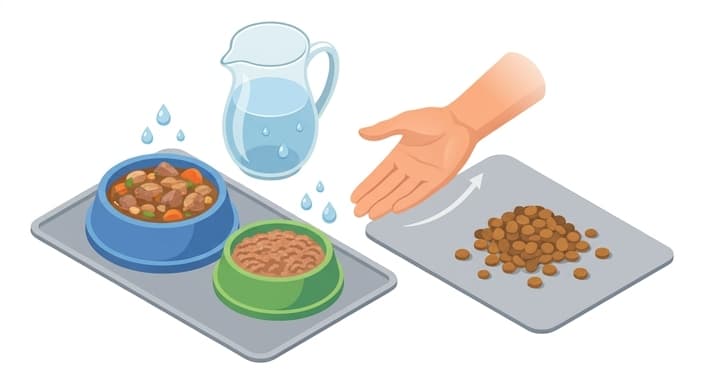
One of the most dangerous misconceptions in senior pet care is the fear of protein. Decades ago, outdated veterinary advice suggested restricting protein for all senior pets to "protect the kidneys," but modern research has shown that for the vast majority of healthy aging pets, this actually leads to muscle wasting and a weakened immune system. In a personalized plan, the focus is not on the quantity of protein, but on the quality and digestibility. We look for high-biological-value proteins that are easy to digest, sparing the kidneys from processing excessive nitrogenous waste while ensuring the body has the building blocks necessary to maintain muscle tone. Simultaneously, we address the silent killer of senior wellness: dehydration. Aging pets often have a diminished thirst drive, which can lead to chronic sub-clinical dehydration. A personalized plan often incorporates moisture-dense foods—such as transitioning from dry kibble to fresh, cooked, or high-quality canned diets—to ensure that the kidneys and joints remain properly lubricated and flushed. This shift in moisture intake alone can often result in a visible improvement in energy levels and skin health within just a few weeks.
Customizing for Comorbidity: The "Owner-Vet" Partnership
The true power of a personalized nutrition plan lies in its ability to navigate the complex landscape of comorbidities—when a pet has more than one condition simultaneously. For instance, consider a senior dog who is struggling with both obesity and heart disease. A generic weight-loss diet might be too high in sodium, which would be detrimental to the heart, while a heart-support diet might be too calorie-dense. A personalized approach allows us to walk that razor’s edge, utilizing specific nutrient ratios that support cardiac output while carefully managing caloric density to achieve a healthy weight. This is where the partnership between the owner and the veterinarian becomes critical. Owners are the "boots on the ground"; you observe the subtle changes in appetite, the way your cat hesitates before jumping, or the slight increase in water consumption. When you bring these observations to a consultation, we can translate them into dietary adjustments. Whether it is adding a specific supplement like glucosamine or chondroitin for joint support or adjusting the fiber profile to help with senior-onset digestive sensitivity, the plan remains a living document that changes as your pet’s needs evolve.
Implementing the Transition: A Gentle Approach
Even the most nutritionally sound plan will fail if the pet refuses to eat it or experiences gastrointestinal distress during the switch. Senior pets are notoriously creatures of habit, and their digestive tracts are often less resilient to sudden changes than those of a young, robust puppy or kitten. The implementation of a personalized nutrition plan must be a patient, gradual process. I always recommend a "ten-day transition" method, where we slowly introduce the new, optimized diet over the course of a week and a half, monitoring the stool quality and overall energy levels daily. During this time, it is vital to keep a "nutrition diary" where you track your pet's body condition score, appetite, and any physical changes. This data is invaluable for the next veterinary check-up. Remember, the goal is to make the transition as stress-free as possible. If your pet is hesitant, we can use "taste bridges"—small amounts of bone broth or a favorite low-sodium topper—to encourage acceptance. The objective is to make the new diet a positive experience that your pet associates with feeling better, stronger, and more comfortable.
The journey into a pet's senior years does not have to be a slow decline marked by inevitable health challenges. By moving away from generic, one-size-fits-all feeding habits and embracing a personalized, evidence-based nutrition plan, we empower ourselves to provide our companions with the highest quality of life possible. Nutrition is the most powerful tool in our veterinary arsenal, and when it is tailored to the unique, aging biology of your specific dog or cat, it becomes the foundation for their comfort, mobility, and happiness. Take the time to consult with your veterinarian about creating a bespoke dietary plan; by addressing their internal needs with the same love and attention you give them in their daily lives, you are giving them the gift of a vibrant, dignified, and well-nourished golden age.
Common Questions
🤔
Frequently Asked Questions
What makes senior pet nutrition different from generic 'senior' labels?▼
Senior nutrition is not a static label. It requires recognizing metabolic drift, changes in digestion, and organ function that vary between pets. A personalized plan uses labs and physical assessments to tailor protein, minerals, and micronutrients to the individual. Regular re-evaluations ensure the diet keeps pace with aging.
How is a personalized plan developed for my senior pet?▼
Development begins with a veterinary consultation, blood chemistry panels, and body condition scoring. The plan specifies target protein quality, fat balance, minerals like phosphorus, and supportive nutrients such as omega-3s and antioxidants. It is adjusted over time based on follow-up tests, weight changes, and functional measures like mobility and cognition.
Is protein always safe for older pets?▼
For most healthy aging pets, high-quality, easily digestible protein supports muscle mass, immunity, and overall resilience. The concern about protein toxicity is less relevant than once believed, but kidney function must be considered. A personalized plan ensures protein type and amount fit the individual’s kidney and metabolic status.
Which nutrients should I expect in a personalized plan?▼
Expect emphasis on omega-3 fatty acids (EPA and DHA) to support inflammation control and cognitive function. A personalized plan also includes B-vitamins, antioxidants, taurine, and L-carnitine to support heart health and energy metabolism. Phosphorus management and hydration strategies are commonly adjusted based on kidney and overall health, all guided by blood work and assessments.