Blog4/14/2026
Probiotics for Dog Gut Health: Boosting Microbiome Wellness
6 mins Read
The Briefing
Quick takeaways for the curious
Proactive probiotic use supports a balanced gut microbiome, which is foundational to immune health and overall vitality in dogs.
A balanced microbiome (eubiosis) helps ferment dietary fibers into short-chain fatty acids, synthesize vitamins, and protect against pathogens.
Dysbiosis can be triggered by environmental stress, poor-quality diets, or antibiotics, leading to inflammation and poor nutrient absorption.
Probiotics work by competitive exclusion, lowering gut pH, and communicating with the gut-associated lymphoid tissue to train the immune system.
Signs of microbiome imbalance include chronic flatulence, recurrent skin or ear issues, and unexplained lethargy, which may warrant a gut health intervention.
There is a persistent, outdated myth in the modern pet care community that a dog’s digestive upset—occasional loose stools, excessive gas, or a sensitive stomach—is simply a "normal" part of being a canine or a random occurrence to be weathered with bland chicken and rice. As a veterinarian consultant, I frequently speak with frustrated pet parents who view these symptoms as unavoidable inconveniences, failing to realize that the gut is the epicenter of a dog’s entire physiological health, and that chronic digestive instability is often a red flag signaling a deeper imbalance in the microbiome. We are finally moving toward a more sophisticated, proactive standard of canine wellness that treats gut health not as a reactive measure to be addressed only during a bout of diarrhea, but as a foundational pillar of systemic immunity, effectively closing the gap between a dog who exists in a state of chronic digestive fragility and one who thrives with a robust, resilient, and efficient internal ecosystem.
The Microbial Landscape: Understanding the Canine Gut
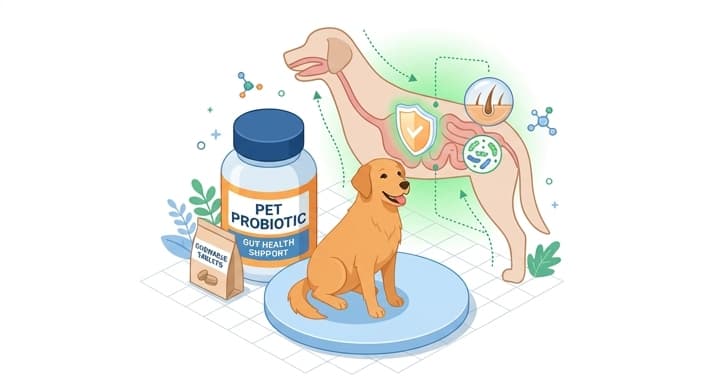
To understand why proactive probiotic supplementation is a game-changer for our canine companions, we must first look at the "microbial landscape" of the dog’s gastrointestinal tract. A healthy canine gut is a bustling, complex metropolis populated by trillions of microorganisms, including bacteria, fungi, and viruses, collectively known as the gut microbiome. This delicate ecosystem serves as the primary training ground for the immune system; in fact, approximately 70% of a dog’s immune cells reside in the gut lining.
When this ecosystem is in balance—a state known as eubiosis—beneficial bacteria help ferment dietary fibers into short-chain fatty acids, synthesize essential vitamins, and act as a competitive physical barrier against pathogenic invaders like Salmonella or E. coli. However, environmental stressors, poor-quality diets, or the use of systemic antibiotics can tip the scales toward dysbiosis, where the population of "good" bacteria dwindles, leaving the door wide open for inflammation, poor nutrient absorption, and a weakened immune response.
The Probiotic Advantage: More Than Just Digestion
When we introduce high-quality, species-specific probiotics, we are not merely "adding bacteria" to the gut; we are seeding the terrain with the biological tools necessary for restoration. Probiotics are live microorganisms that, when administered in adequate amounts, confer a health benefit on the host. For dogs, this goes far beyond simply firming up a stool.
The primary mechanism of action for probiotics is competitive exclusion. By populating the intestinal mucosa with beneficial strains like Enterococcus faecium, Lactobacillus acidophilus, or Bifidobacterium animalis, we physically crowd out harmful bacteria and lower the intestinal pH, making the environment inhospitable for pathogens. Furthermore, these beneficial microbes communicate with the gut-associated lymphoid tissue (GALT), essentially "teaching" the immune system to distinguish between harmless food proteins and dangerous threats. This explains why many pet parents find that consistent probiotic use helps manage not just digestive issues, but also skin and coat conditions, as a healthy gut often manifests as reduced systemic inflammation and a more robust barrier function of the skin.
Identifying the Signs of Microbiome Imbalance
As pet parents, we are the first line of defense in monitoring our dogs' health. Because the gut is so intimately connected to other body systems, the signs of a struggling microbiome are often subtle until they become impossible to ignore. Chronic flatulence, while often dismissed as a humorous quirk, is frequently a sign of maldigestion or an overgrowth of gas-producing bacteria. Similarly, dogs who suffer from "recurrent" skin allergies, ear infections, or unexplained lethargy are often candidates for a gut health intervention.
We must also look at the consistency and frequency of bowel movements. A healthy dog should produce well-formed, easy-to-pick-up stools. If you notice frequent "cow-pat" stools, intermittent diarrhea, or mucus-coated movements, your dog is likely struggling to maintain a healthy microbial balance. Furthermore, if your dog has recently undergone a course of antibiotics—which are essentially "nuke buttons" for both good and bad bacteria—probiotic supplementation is not just recommended; it is a clinical necessity to help repopulate the gut flora that the medication inadvertently wiped out.
Selecting the Right Supplement: Quality Over Quantity
The supplement market is flooded with products, and as a veterinarian, I urge you to look past the flashy packaging and focus on the science. Not all probiotics are created equal. When selecting a supplement for your dog, look for three non-negotiable criteria: survivability, stability, and strain specificity.
First, the bacteria must survive the dog's stomach acid to reach the intestines alive. Look for products that utilize micro-encapsulation or specialized delivery systems that protect the microbes during their journey through the harsh, acidic environment of the stomach. Second, check for "guaranteed analysis" at the end of the product's shelf life, not just at the time of manufacture. If a company doesn't guarantee the live colony-forming units (CFUs) until the expiration date, you may be paying for a bottle of dead bacteria. Finally, look for multi-strain formulas that include both Lactobacillus and Bifidobacterium species, as these have the most robust clinical evidence for efficacy in canines. Avoid human-grade probiotics unless specifically directed by your vet, as the strains and concentrations required for a dog’s unique digestive pH differ significantly from our own.
Creating a Holistic Gut Wellness Routine
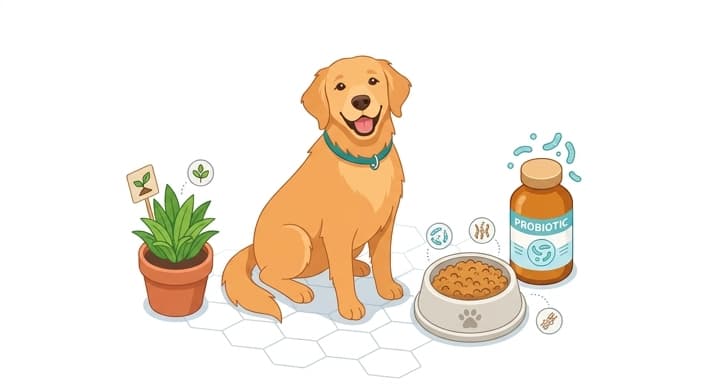
Probiotics are most effective when they are part of a broader, holistic approach to gut health. Think of the probiotic as the "seed" and the diet as the "soil." You can plant the best seeds in the world, but if the soil is nutrient-poor or hostile, they will not thrive. This is where prebiotics come into play. Prebiotics are non-digestible fibers—found in ingredients like chicory root, pumpkin, or beet pulp—that act as "fuel" for the beneficial bacteria you are introducing. By feeding the probiotics, you ensure they can colonize and multiply within the gut.
Consistency is the final, and perhaps most important, piece of the puzzle. The gut microbiome is dynamic and constantly shifting; it is not a "set it and forget it" system. While some dogs show improvement within days of starting a high-quality probiotic, long-term gut resilience is built over weeks and months. I always advise my clients to maintain the protocol for at least 30 days before assessing progress. Pair this with a high-quality, minimally processed diet and consistent exercise, and you have created a internal environment where your dog can truly flourish, protected from the inside out.
Integrating Probiotics into Your Dog’s Life
Ultimately, the goal of incorporating probiotics into your dog’s wellness plan is to provide them with the biological resilience they need to navigate a world full of stressors, from changing weather and dietary indiscretions to the natural aging process. By viewing gut health as a foundational aspect of your dog’s care rather than a reactive fix, you are investing in their long-term vitality, comfort, and immune function. Start by consulting with your veterinarian to rule out underlying medical conditions, select a high-quality, evidence-backed supplement, and watch as your dog experiences the benefits of a balanced, thriving internal ecosystem. Through this proactive care, you aren't just managing digestion; you are fostering a healthier, happier life for your best friend.
Common Questions
🤔
Frequently Asked Questions
Why is gut health considered foundational in canine wellness?▼
The gut is the epicenter of a dog’s health, with about 70% of immune cells residing in the gut lining. A balanced microbiome supports digestion, nutrient absorption, and a robust barrier against inflammation. When the gut functions well, systemic health often improves, including skin and coat condition.
How do probiotics work in dogs?▼
Probiotics are live microorganisms that confer health benefits when given in adequate amounts. They help by competitive exclusion, crowding out harmful bacteria and lowering intestinal pH, which suppresses pathogens. They also interact with gut-associated lymphoid tissue to train the immune system, potentially reducing systemic inflammation and supporting skin health.
What signs suggest your dog might have a microbiome imbalance?▼
Chronic flatulence is a common clue, but more subtle signs include recurrent skin allergies or ear infections, lethargy, and unexplained changes in digestion. Because the gut influences many body systems, signs can be indirect and insidious before becoming obvious. If you notice persistent digestive or systemic symptoms, a gut-focused assessment is reasonable.
How should I choose and use a probiotic for my dog?▼
Choose a high-quality product that is species-specific and lists credible strains, such as Enterococcus faecium, Lactobacillus acidophilus, and Bifidobacterium animalis. Ensure the product provides an evidence-based dose appropriate for your dog’s size and health status. Consult your veterinarian to tailor the selection and timing, especially around antibiotics or GI episodes.