Blog3/24/2026
Sustainable Cat Litter Options for a Healthier Home
6 mins Read
The Briefing
Quick takeaways for the curious
Traditional clay litters contribute to environmental damage through strip mining and create non-biodegradable waste while generating silica dust that can irritate feline airways.
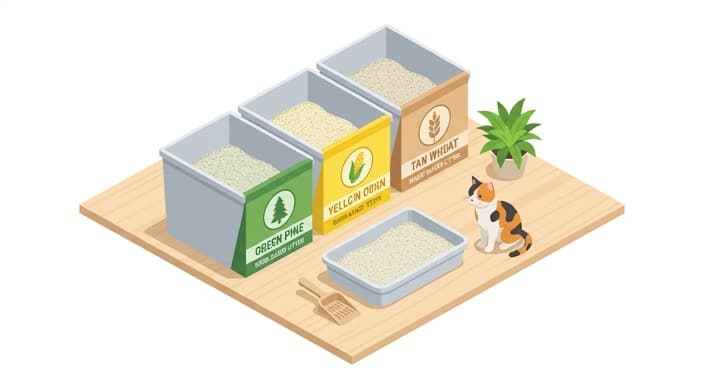
Plant-based litters—wood, corn, and wheat—offer strong absorption without silica dust, are often dust-free, and use byproducts from other industries rather than mined clay.
Switching to sustainable litter can improve indoor air quality and support long-term respiratory health for cats, a concern veterinarians increasingly emphasize.
A gradual transition over about 10 days helps prevent litter box avoidance by cats as they acclimate to different textures and scents.
Although many plant-based litters are biodegradable, avoid composting used cat litter due to pathogens; some materials may be industrially compostable, but home composting of waste is not advised.
There is a persistent, outdated myth in the veterinary world that a cat’s litter box experience is merely a logistical necessity—a "set it and forget it" chore involving the heaviest, most chemically-laden clay available at the local supermarket. As a veterinarian, I frequently consult with pet parents who are deeply concerned about their cat’s environmental footprint and the potential respiratory irritants lingering in their home, yet they feel trapped by the convenience of traditional clumping litter. We are moving toward a new, more conscious standard of care where sustainability is not just an environmental goal, but a proactive choice for the respiratory and systemic health of our feline companions.
The Hidden Cost of Conventional Clay: Beyond the Carbon Footprint
To truly grasp the importance of switching to sustainable litter, we must first look at what we are actually bringing into our homes. Most conventional cat litters are made of sodium bentonite, a clay mined through strip mining—a process that destroys habitats, consumes massive amounts of energy, and results in a non-biodegradable waste product that sits in landfills for centuries. But beyond the environmental damage, there is the issue of "silica dust."
In clinical practice, I often treat cats with chronic upper respiratory issues or feline asthma. While genetics and allergies play a role, I cannot ignore the plumes of fine, crystalline silica dust that billow into the air every time a cat scratches or burrows. When these particles are inhaled, they can settle deep into the delicate tissues of a cat’s lungs. Since cats spend a significant portion of their lives near their litter box, they are essentially breathing in a cocktail of clay dust and, quite often, synthetic fragrances designed to mask odors. By switching to plant-based alternatives, we aren't just saving the planet; we are removing a significant source of indoor air pollution that directly impacts your cat’s long-term respiratory wellness.
Understanding Plant-Based Innovations: Wood, Corn, and Beyond
The shift toward sustainable litter isn't about sacrificing performance; it is about choosing materials that are inherently biodegradable and often compostable (though I always advise against composting cat waste due to potential pathogens like Toxoplasma gondii). Today’s market is flooded with high-performance alternatives that utilize the natural absorbency of agricultural byproducts.
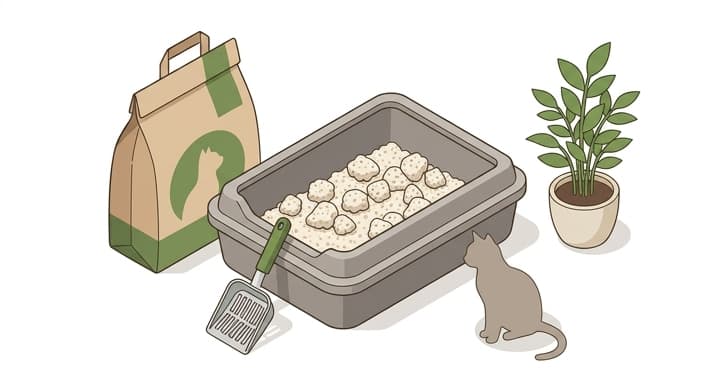
Wood-based litters, typically made from reclaimed pine or cedar, are a fantastic starting point. They are naturally absorbent, provide a mild, pleasant scent, and are often sourced from lumber industry scraps, meaning no new trees are felled to create them. Then there are corn-based and wheat-based litters. These utilize the starches in grain to form tight, manageable clumps that are significantly lighter than clay. Because these fibers are porous, they trap ammonia odors at the source rather than just masking them with artificial perfumes. For a veterinarian, the best part is the absence of silica; these materials are generally dust-free and much safer for cats with sensitive airways.
The Transition Protocol: How to Make the Switch Without a "Litter Strike"
One of the biggest hurdles to adopting sustainable litter is the fear of feline rejection. Cats are creatures of habit, and a sudden change in texture or scent can lead to "litter box avoidance," which is a major clinical concern. I always tell my clients: do not throw out the old litter and replace it entirely overnight.
The most successful transitions follow a 10-day integration plan. Start by adding a small amount of the new, sustainable litter to the existing clay litter—perhaps a 25/75 ratio. Over the next week and a half, gradually increase the percentage of the new material while decreasing the old. This allows your cat to acclimate to the change in grain size and scent at their own pace. If you notice your cat hesitating, slow down the process. Remember, the goal is to create a positive association with the new box. If they are particularly picky, consider leaving one box with the old litter and one with the new for a period to see which they prefer; many cats will naturally gravitate toward the cleaner, more natural option once they realize it feels better on their paws.
Navigating the "Clumping" Conundrum
A common myth I hear is that plant-based litters don't clump as well as clay. While it is true that some early eco-friendly versions struggled with structural integrity, modern manufacturing has made massive strides. Many of the high-quality corn and wood litters now feature natural binding agents that create clumps just as firm as their clay counterparts.
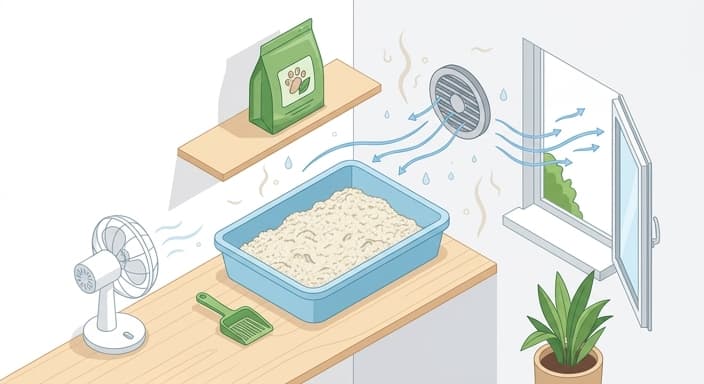
However, the maintenance routine does change slightly. Because plant-based litters are more absorbent and lightweight, you may find that you need to scoop them more frequently to maintain that "fresh" feel. I generally recommend that my clients keep at least two to three inches of litter in the box to ensure there is enough depth for the clumping action to occur fully before it reaches the bottom of the tray. Additionally, because these materials are organic, they are more susceptible to moisture in the air. If you live in a highly humid environment, ensure your litter box is in a well-ventilated area, and keep the bag of unused litter sealed tightly to prevent it from absorbing ambient moisture before it even hits the box.
Why Veterinarians are Championing the Move to Natural
When I evaluate a patient for chronic skin or paw pad irritation, the litter box is one of the first things I investigate. Sodium bentonite clay is highly drying; it acts like a sponge, pulling moisture out of everything it touches—including your cat's skin. If a cat has sensitive paw pads or is prone to dermatitis, the constant contact with drying clay can exacerbate the condition.
Sustainable litters, particularly those made from paper or soft wood fibers, tend to be much gentler on the paws. Furthermore, these litters are often free from the harsh chemical fragrances and "deodorizing crystals" that can cause allergic reactions in sensitive cats. By choosing a sustainable option, you are effectively reducing your cat’s daily exposure to unnecessary chemical compounds. It is a subtle change, but when you look at the cumulative effect over a 15-year lifespan, providing a non-toxic, dust-free, and natural environment for their most private daily habit is a significant contribution to their overall quality of life.
The Bottom Line: Small Changes, Lasting Impact
Transitioning to a sustainable cat litter is one of the most accessible ways for a pet parent to make an immediate, positive impact on both their home environment and the planet. By moving away from strip-mined clay and toward renewable, plant-based materials, you are choosing a path that prioritizes your cat’s respiratory health, protects your home from unnecessary dust, and reduces your household’s reliance on landfill-clogging products. Start slow, observe your cat’s preferences, and take pride in knowing that you are moving toward a more conscious, sustainable standard of care. Your cat’s paws—and the planet—will thank you for it.
Common Questions
🤔
Frequently Asked Questions
Why should I switch to sustainable cat litter from an environmental and health perspective?▼
Traditional clay litters rely on strip-mined sodium bentonite, creating habitat disruption and long-lived waste. They also generate fine silica dust that cats can inhale, contributing to respiratory issues over time. Plant-based litters reduce indoor air pollution and lower exposure to irritants while still offering solid odor control and absorbency. For many owners, the switch aligns ecological responsibility with proactive feline health.
What plant-based litter options exist, and how do they perform compared with clay?▼
Wood-based litters use reclaimed pine or cedar, providing natural absorbency, a mild scent, and typically less dust. Corn- and wheat-based litters form tight clumps from grain starches, are lighter than clay, and trap ammonia at the source rather than masking odors with scents. These materials are often free of silica and suitable for cats with sensitive airways, with competitive or superior clumping and odor control in many cases.
How do I transition my cat to sustainable litter without causing litter box avoidance?▼
Begin with a gradual 10-day plan by mixing the new litter with the existing clay litter, starting at about 25% new and 75% old. Over 10 days, increase the proportion of sustainable litter while decreasing the clay until the cat accepts the texture and scent. If your cat hesitates, slow down the transition or try offering multiple litter options temporarily. Monitor litter box usage closely and adjust the plan as needed.
Should I compost used cat litter?▼
Used cat litter should not be composted at home due to potential pathogens such as Toxoplasma gondii. While some plant-based litters may be biodegradable, composting cat waste can spread risks to gardens and the environment. Industrial composting facilities may accept certain materials, but always check local guidelines. In general, safer disposal means bagging and trash disposal, not home composting.