Blog3/21/2026
Sustainable Cat Litter Options for a Greener, Healthier Home
6 mins Read
The Briefing
Quick takeaways for the curious
Switching from traditional clay litter reduces environmental impact by avoiding strip-mined minerals and long-lasting waste in landfills.
Plant-based litters, made from pine, corn, wheat, wood, or recycled paper, rely on renewable resources and are often compostable with appropriate precautions.
Dust-free options help protect both cat and human respiratory health by eliminating silica dust and artificial fragrances found in many clay brands.
Many plant-based litters offer natural odor control and easy scooping due to their clumping or absorbent properties.
Transitioning to sustainable litter can require patience and a gradual switch, but most cats adapt with careful introduction and proper box setup.
There is a persistent, eco-unfriendly habit in the feline world that often goes unnoticed: the reliance on traditional clay-based cat litter, a product that is strip-mined from the earth and destined to sit in plastic bags in landfills for centuries. As a veterinarian, I frequently discuss the health of our cats, but we rarely talk about the environmental footprint we leave behind in the litter box. Moving toward sustainable cat litter isn’t just an act of environmental stewardship; it is a way to align your home habits with the natural, toxin-free life your cat deserves.
The Problem with the Clay Standard
To understand why a shift is necessary, we must look at where traditional clumping litter comes from. Most commercial litters are made from sodium bentonite, a clay mineral that is strip-mined—a process that destroys topsoil and disrupts local ecosystems. Beyond the environmental damage of extraction, this clay is often processed with silica dust, which can be an irritant to both feline respiratory systems and human lungs.
When you scoop that heavy bag of clay litter, you aren't just moving waste; you are participating in a cycle that relies on non-renewable resources. From a clinical perspective, I often see cats with sensitive paws or those who are prone to asthma-like symptoms; in many of these cases, switching away from dusty, chemical-laden clay litters is the first step toward improving their day-to-day comfort. By choosing sustainable materials, you are opting for products that are often biodegradable, renewable, and far kinder to the delicate tissues of your cat’s paws and nose.
Plant-Based Alternatives: Nature’s Solution
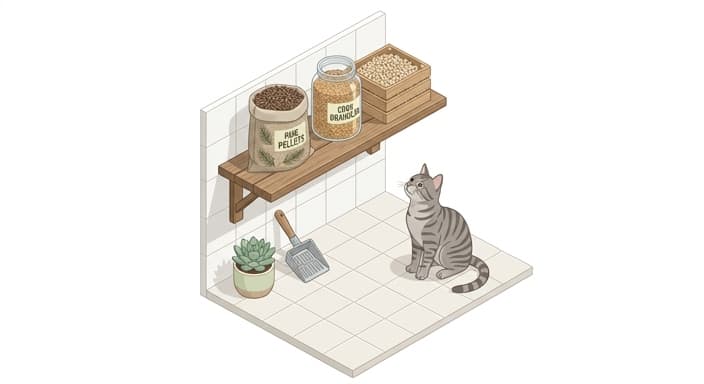
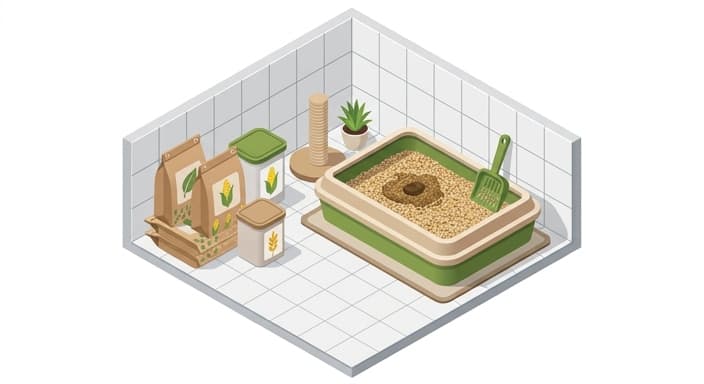
When we move away from clay, we enter the world of renewable, plant-based litters. These are typically crafted from agricultural byproducts—materials that would otherwise go to waste. Common options include pine pellets, corn, wheat, wood chips, and even recycled paper. These materials offer a superior "green" profile because they are compostable (with specific precautions) and are sourced from managed forests or farms rather than deep-earth mines.
Pine litter, for example, is highly absorbent and naturally antimicrobial, which helps manage odors without the need for synthetic fragrances. Corn and wheat-based litters are excellent at clumping naturally, using the plant’s starches to create a firm seal around waste, which makes scooping just as easy as it is with conventional clay. When you choose a sustainable plant-based option, you are effectively closing the loop, turning a waste product into a functional household necessity.
The Health Benefits of Dust-Free Living
Beyond the environmental impact, the health of your cat’s respiratory system is a primary reason to reconsider your litter choice. Many clay litters produce a fine particulate matter that is released into the air every time your cat scratches or you pour a fresh box. In a small bathroom or laundry room, these particles become concentrated. Over time, this constant exposure can lead to chronic irritation of the bronchial tubes, potentially exacerbating feline asthma or simple sneezing fits.
Sustainable alternatives like wood pellets or compressed paper are virtually dust-free. Because they are heavier and larger in particle size, they don't become airborne. Furthermore, natural litters are free from the synthetic silica and artificial perfumes often found in "odor-control" clay brands. These fragrances can be overwhelming to a cat’s highly sensitive sense of smell, sometimes causing them to develop an aversion to the litter box altogether. By eliminating these irritants, you are creating a sanctuary for your cat that is as healthy as it is clean.
Managing the Transition: Avoiding the "Box Strike"
I often hear from clients who are hesitant to switch to sustainable options, fearing that their cat will refuse to use the new material. Cats are creatures of habit, and their litter box is perhaps their most important territory. If you change the medium too abruptly, you may see "protest" behavior—urinating outside the box or refusing to cover their waste. The key to a successful transition is gradual integration.
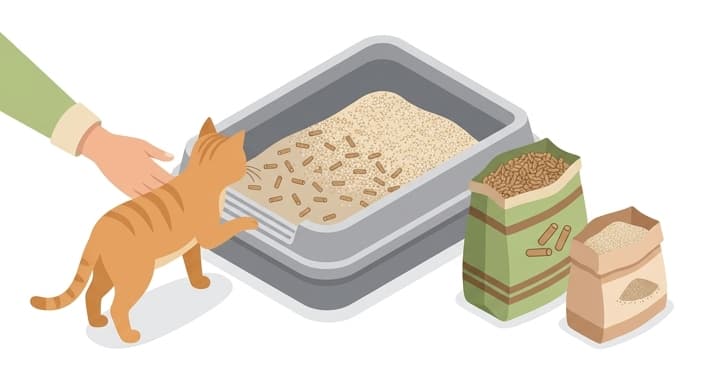
Start by placing a small amount of the new, sustainable litter on top of their existing clay litter. Over the course of two weeks, slowly increase the ratio of the new litter while decreasing the old. This allows your cat to adjust to the change in texture, scent, and paw-feel at their own pace. If you are switching to a pellet-style litter, it is especially important to mix it thoroughly so your cat doesn't feel like they are standing on an unstable surface. Patience is your greatest tool here; by the end of the transition, your cat will likely have accepted the change without ever realizing they’ve joined your sustainability mission.
Practical Considerations for the Eco-Conscious Home
Once you’ve made the switch, you might wonder about the best way to dispose of these materials. While many plant-based litters are marketed as "flushable" or "compostable," I advise a cautious approach. Never flush cat waste—regardless of the litter type—into a septic system or municipal water supply, as it may contain Toxoplasma gondii, a parasite that is notoriously difficult to filter out and can be harmful to marine life.
Instead, look into local composting regulations. If you choose to compost, it should only be used for non-edible landscaping (like ornamental flowers or bushes), never for your vegetable garden. If composting isn't an option, simply bagging the biodegradable litter is still a win; it will decompose in a landfill much faster than clay ever could, and it will be significantly lighter for your waste management team to transport. Every small choice—from the material you choose to the way you manage the waste—contributes to a larger, positive impact on our planet.
Making the Green Choice a Permanent One
Choosing a sustainable litter is a multifaceted decision that improves your cat’s physical health while reducing your household's environmental footprint. It is a transition that requires a little patience and a bit of trial and error, but the long-term rewards are substantial. By prioritizing dust-free, biodegradable, and renewable materials, you are providing your cat with a cleaner, more natural experience that mirrors their evolutionary needs while keeping your home free of unnecessary toxins.
As a veterinarian, I am always encouraged when pet owners view their choices through a wider, more holistic lens. The litter box may be the least "glamorous" part of cat ownership, but it is a fundamental aspect of your cat’s daily life. By upgrading to a sustainable option, you aren't just changing a product—you are committing to a higher standard of care for your cat and a more responsible way of living in our shared world. Give these alternatives a try, monitor your cat’s comfort, and enjoy the peace of mind that comes with making a choice that benefits the planet as much as it benefits your best friend.
Common Questions
🤔
Frequently Asked Questions
What makes a litter 'sustainable'?▼
A sustainable litter prioritizes renewable or recycled materials, lower environmental impact during production, and reduced waste. Plant-based and biodegradable options avoid strip-mining and long-term landfill burden where possible. Many are free from synthetic fragrances and heavy dust, contributing to healthier homes for both cats and people. Life-cycle considerations, including how the litter is disposed of or composted, are important parts of the assessment.
What plant-based options are commonly available?▼
Common plant-based litters include pine pellets, corn, wheat, wood fibers, and recycled paper products. These materials are typically biodegradable and sourced from managed forests, farms, or agricultural byproducts. They often offer natural odor control and varying degrees of clumping. Availability can vary by region, and some require specific disposal methods to be composted or disposed of responsibly.
How do sustainable litters compare in odor control and maintenance to clay?▼
Sustainable plant-based litters can match or exceed clay in odor control when they use natural absorbent materials and lack artificial fragrances. Clumping formulas made from plant starches create firm waste seals similar to clay, making scooping easy. They generally produce much less dust, which helps with indoor air quality. However, performance can vary by brand, so some trial may be needed to find the best fit for your cat and household.
What tips help cats transition to sustainable litter?▼
Start by mixing the new litter with your current litter, gradually increasing the new ratio over 1-2 weeks to give your cat time to adjust. Ensure the box is clean, spacious, and placed in a quiet area; consider adding a second box during the transition. Choose unscented products and low-dust formulas to reduce irritants. Monitor your cat for signs of aversion and be patient, as most cats adapt when given a stable routine and attractive litter texture.