Blog3/31/2026
Sustainable Cat Litter Alternatives for Beginners Guide
6 mins Read
The Briefing
Quick takeaways for the curious
Clay-based cat litter poses environmental and health concerns due to strip mining, non-biodegradability, and silica dust that can affect both humans and cats.
Sustainable, plant-based or recycled-material litters offer lower dust and a smaller environmental footprint while still providing acceptable odor control and clumping for beginners.
Paper-based, wood pellet, and corn-based litters are accessible entry points, with paper offering very low dust and soft paws, wood providing natural odor-neutralizing properties, and corn delivering familiar clumping texture.
A gradual transition is essential to avoid litter box aversion, typically involving a stepwise mix of old and new litter over 10–14 days.
Choosing unscented varieties and observing your cat’s preferences can improve adoption and reduce stress during the switch to eco-friendly litter.
There is a persistent, outdated myth in the veterinary world that clay-based cat litter is the only viable option for modern households, leaving many pet owners to assume that the dusty, strip-mined minerals filling our landfills are an unavoidable cost of feline companionship. As a veterinarian consultant, I frequently consult with devoted cat parents who are surprised to learn that conventional clay litter is not only an environmental burden but can also harbor respiratory irritants and silica dust that challenge both human and feline lung health. We are finally moving toward a more sophisticated, proactive standard of feline husbandry that prioritizes eco-conscious materials, effectively closing the gap between our carbon footprint and the comfort of our indoor feline companions.
The Environmental Toll of Conventional Clay
To understand why sustainable alternatives are becoming a necessity, we must look at the environmental reality of traditional cat litter. The vast majority of standard litter is composed of bentonite clay, a resource extracted via strip mining—a process that destroys topsoil, disrupts local ecosystems, and consumes massive amounts of energy for transport and processing. Beyond the ecological damage, these products are non-biodegradable, meaning that every scoop of waste you toss into the trash will sit in a landfill for decades, if not centuries.
From a clinical perspective, I often caution clients about the "invisible" ingredients in these litters. Many clay-based products contain crystalline silica, which is classified as a human carcinogen when inhaled as fine dust. While cats are smaller and closer to the ground, they are also meticulous groomers; when they kick up dust in the litter box, they inhale those particles and ingest the residue trapped in their fur. Transitioning to biodegradable alternatives is not merely an act of environmental stewardship—it is a proactive measure to improve the air quality of your home and the long-term respiratory health of your cat.
Understanding Plant-Based Absorbents
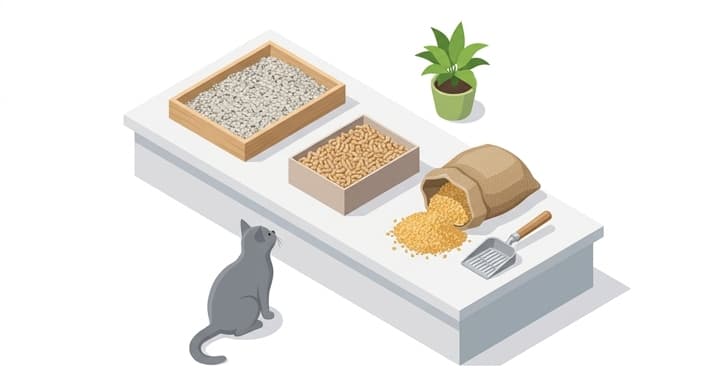
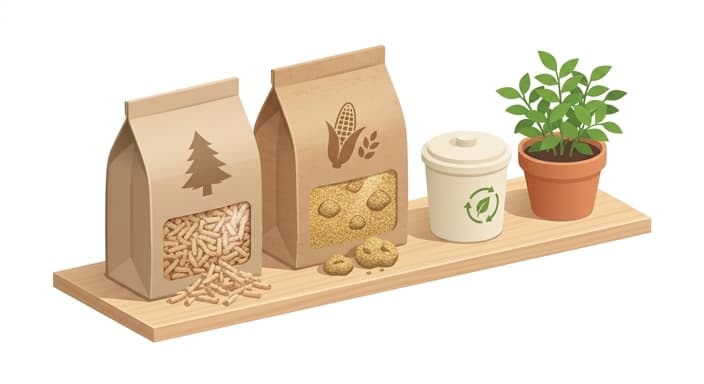
When moving away from clay, the primary concern for most owners is "clumping ability" and odor control. Fortunately, the market has evolved to utilize natural, renewable fibers that perform surprisingly well. Paper-based, wood-pellet, and corn-based litters are the most accessible entry points for beginners.
Paper-based litters are often made from recycled newspaper or corrugated cardboard. They are exceptionally low-dust and soft on the paws, making them an excellent choice for senior cats or those recovering from surgery. Wood pellets, typically sourced from reclaimed pine or cedar, offer a natural, antimicrobial barrier that neutralizes odors through the release of natural resins. Corn-based litters, on the other hand, utilize the starches in corn to create natural, tight clumps that feel familiar to cats accustomed to the heavy texture of clay. Each of these materials is compostable, significantly reducing the amount of waste that ends up in municipal landfills.
The Transition Strategy: A Gentle Approach
As a veterinarian, I often remind clients that cats are creatures of habit. Abruptly swapping out a box of familiar clay for a bowl of wood pellets can lead to "litter box aversion," a common cause of behavioral issues where cats choose to eliminate outside the box. The key to a successful transition is a gradual, phased approach that respects your cat’s sensory preferences.
Start by placing a new box with the alternative litter right next to their current one. Take a handful of the "old" litter and sprinkle it on top of the new material to provide a familiar scent. Over the course of 10 to 14 days, slowly decrease the ratio of old litter to new. If you are using a clumping corn or wheat-based litter, the texture will be closer to clay, which often results in a faster adjustment period. If your cat is particularly sensitive, avoid scented alternatives, as the chemical fragrances in some "green" litters can be overwhelming to a cat’s highly sensitive olfactory system. Patience is your most effective tool during this process.
Addressing the "Ick" Factor: Odor and Hygiene
A common misconception among beginners is that sustainable litters cannot handle the odor profile of a multi-cat household. In reality, the best odor control comes from proper maintenance, not just the material itself. Many natural litters, particularly those made from pine or corn, have excellent absorption properties that lock in moisture and odors at the source rather than just masking them with chemical perfumes.
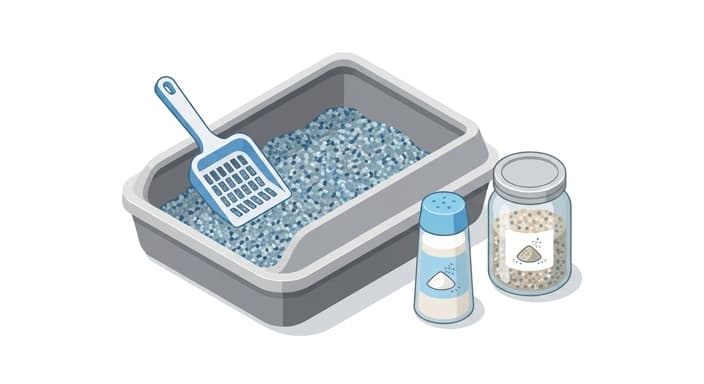
To maintain a hygienic environment with sustainable litter, I recommend "scoop-and-fill" consistency. Biodegradable litters, specifically those made from wood or wheat, often require a slightly deeper litter bed—about 3 to 4 inches—to ensure the liquid doesn't reach the bottom of the box. If you find that a particular brand isn't holding up, try a "topper" of baking soda or a pet-safe natural zeolite powder to boost odor-neutralizing power. Furthermore, ensure that you are cleaning the box completely at least once a month; even the most eco-friendly litter will eventually become saturated, and a fresh start is the best way to keep your cat happy and your home smelling clean.
Why Renewable Resources Matter for the Future
The shift toward sustainable litter is a microcosm of a larger movement in pet care. By choosing materials like wheat, soy, recycled paper, or wood, you are supporting agricultural by-products and circular economies. For example, many corn-based litters utilize the non-food grade portions of the corn crop, effectively turning farm waste into a high-utility product. This reduces the pressure on mineral extraction and lessens the burden on our waste management systems.
When you look at the life cycle of a single cat, the amount of clay litter used over 15 to 20 years is staggering—often weighing in at several tons. By making the switch, you are actively preventing that massive volume of waste from accumulating in our ecosystems. It is a tangible, measurable way to be a responsible pet parent.
Final Thoughts for the Conscious Cat Owner
Transitioning to sustainable cat litter is an empowering journey that balances feline health with global responsibility. While the adjustment may take a few weeks and a bit of trial and error to find the specific texture your cat prefers, the rewards are profound. You are effectively reducing your household's chemical exposure, supporting sustainable manufacturing, and ensuring that your cat’s daily habits align with a healthier, cleaner planet. As we continue to refine our standards for feline husbandry, remember that the smallest changes—like the contents of a litter box—can have the most significant impact on the quality of life for your cat and the world they inhabit. Start slow, observe your cat’s behavior, and take pride in knowing that you are contributing to a more sustainable future, one scoop at a time.
Common Questions
🤔
Frequently Asked Questions
What makes traditional clay litter an environmental concern?▼
Clay litters rely on strip-mined bentonite, a process that damages soil and ecosystems and consumes significant energy. They are non-biodegradable, meaning waste sits in landfills for long periods. Additionally, crystalline silica in many clay products can create dust that harms respiratory health for both people and pets.
What are the main sustainable alternatives for beginners?▼
Beginner-friendly plant-based options include paper-based, wood pellet, and corn-based litters. Paper-based litters are low-dust and paw-safe, wood pellets offer natural odor control through resins, and corn-based litters provide tight, clay-like clumping. All of these options are often compostable, reducing landfill waste.
How should I transition my cat from clay to an alternative?▼
Plan a gradual transition to avoid litter box aversion. Place the new litter in a box beside the old one, and mix a small amount of the old litter into the new gradually over 10 to 14 days. If your cat is sensitive, start with unscented varieties and allow extra time for the smell and texture to adapt. Monitor your cat’s behavior and be prepared to extend the transition if needed.
Are there any considerations for odor and maintenance with alternatives?▼
Alternative litters can control odor effectively, but performance varies by material and clumping ability. Unscented options reduce irritants for sensitive cats and owners. Regular scooping and litter box cleaning remain essential for odor control, and you may need to adjust the amount you use based on your cat’s box usage and scent sensitivity.