Blog3/23/2026
Sustainable Cat Litter Alternatives for a Healthier Home
6 mins Read
The Briefing
Quick takeaways for the curious
Conventional clay litter uses sodium bentonite mined via strip mining, which harms habitats, consumes energy, and creates long-lasting non-biodegradable waste.
Silica dust released when cats scratch and scoop clay litter can be inhaled, contributing to respiratory irritation for both cats and humans in the home.
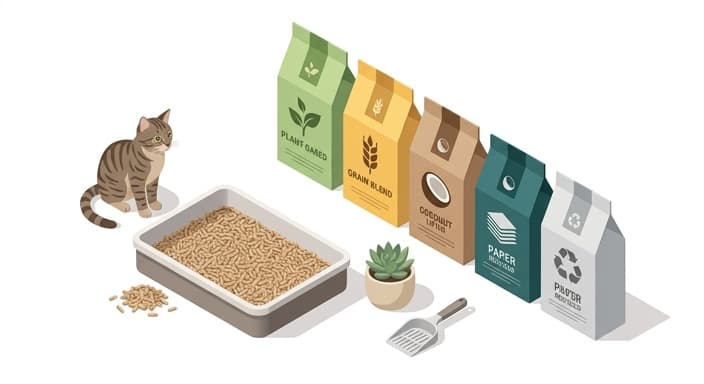
Plant-based litter alternatives are made from renewable byproducts like wood, wheat, corn, coconut coir, or recycled paper and trap moisture through capillary action while neutralizing odors.
Many plant-based litters include natural antimicrobials or enzymes that help manage ammonia and odor without relying on heavy mineral binding.
A gradual transition protocol helps cats adjust without a litter strike, preserving litter box habits while moving toward a more sustainable option.
There is a persistent, outdated myth in the veterinary world that a cat’s litter box experience is merely a logistical necessity—a "set it and forget it" chore involving the heaviest, most chemically-laden clay available at the local supermarket. As a veterinarian, I frequently consult with pet parents who are deeply concerned about their cat’s environmental footprint and the potential respiratory irritants lingering in their home, yet they feel trapped by the convenience of traditional clumping litter. We are moving toward a new, more conscious standard of care where sustainability is not just an environmental goal, but a proactive choice for the respiratory and systemic health of our feline companions.
The Hidden Cost of Conventional Clay: Beyond the Carbon Footprint
To truly grasp the importance of switching to sustainable litter, we must first look at what we are actually bringing into our homes. Most conventional cat litters are made of sodium bentonite, a clay mined through strip mining—a process that destroys habitats, consumes massive amounts of energy, and results in a non-biodegradable waste product that sits in landfills for centuries. But beyond the environmental damage, there is the issue of "silica dust."
In clinical practice, I often treat cats with chronic upper respiratory issues or feline asthma. While genetics and allergies play a role, I cannot ignore the plumes of fine, crystalline silica dust that billow into the air every time a cat scratches or a human scoops. These micro-particles are easily inhaled, reaching deep into the delicate alveolar structures of your cat's lungs. When we transition to sustainable alternatives, we aren't just saving the planet; we are removing a persistent indoor air pollutant that may be contributing to chronic inflammation in our pets.
Understanding Plant-Based Absorbency: How Alternatives Work
Sustainable cat litter isn’t just "eco-friendly"—it is often functionally superior to its clay counterpart. Modern alternatives are crafted from renewable agricultural byproducts like wood pellets, wheat, corn, coconut coir, or recycled paper. These materials operate on a different scientific principle than clay. While clay relies on heavy mineral binding, plant-based fibers utilize capillary action to trap moisture and neutralize odors at the molecular level.
For example, wood-based litters contain natural resins and terpenes that act as antimicrobial agents, inhibiting the growth of the ammonia-producing bacteria that cause that signature "litter box smell." Wheat and corn litters often contain natural enzymes that break down waste proteins, preventing odor before it even starts. When you make the switch, you aren't sacrificing performance; you are shifting the mechanism of cleanliness from heavy-metal sequestration to biological management.
The Transition Protocol: How to Make the Switch Without a "Litter Strike"
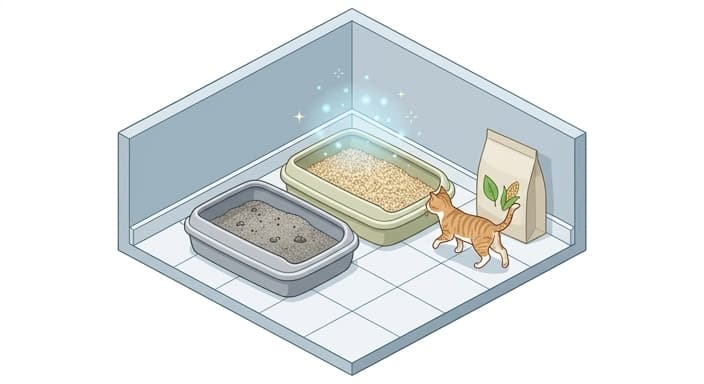
One of the most common reasons pet parents revert to clay is the fear of a "litter strike." Cats are creatures of habit, and their paws are incredibly sensitive sensory organs. If you swap their familiar texture for something entirely different overnight, you risk behavioral issues, including house soiling. As a veterinarian, I advise a gradual "blending" protocol that respects your cat’s neurobiology.
Start by placing a small, secondary box with the new sustainable litter next to their current setup. In the primary box, slowly increase the ratio of the new litter to the old over a period of 10 to 14 days. Begin with 25% new and 75% old, moving to a 50/50 split, and finally 75% new. Observe their behavior closely during this transition. If your cat is particularly sensitive, consider choosing a plant-based litter with a similar granule size to what they are currently using—such as a fine-grain wood or wheat litter—to minimize the shock of the tactile change.
The Health Benefits of Non-Toxic, Biodegradable Options
When we choose sustainable, plant-based litters, we are eliminating a significant source of chemical exposure in the home. Many conventional litters are treated with synthetic fragrances to mask odors. These artificial scents are often far too intense for a cat’s highly developed olfactory system and can trigger sneezing, watery eyes, or even skin contact dermatitis on the sensitive pads of their feet.
Furthermore, clay litter is notorious for being "track-heavy." When your cat steps out of the box, they ingest the dust and residual clay particles during their fastidious grooming sessions. While a small amount is generally considered non-toxic, the long-term ingestion of minerals and binders is simply unnecessary. Sustainable, food-grade ingredients like wheat or corn are inherently safer if accidentally ingested during grooming. By choosing biodegradable options, you are opting for a "clean" indoor environment where the materials your cat interacts with are as natural as the wild landscapes their ancestors once roamed.
Strategic Maintenance: Maximizing the Life of Your Sustainable Litter
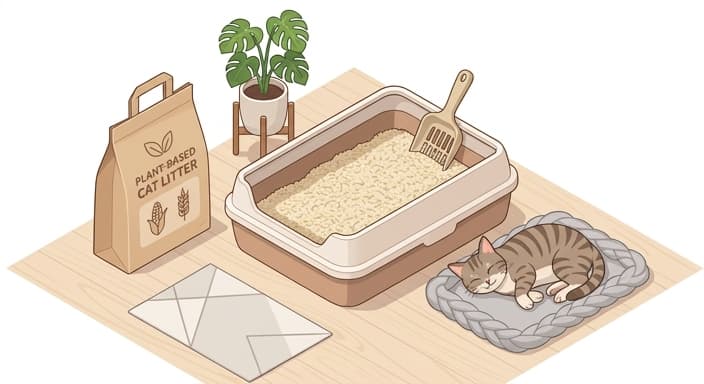
One of the biggest misconceptions about sustainable litter is that it requires more work. In reality, with the right strategy, these litters are often more cost-effective and lighter to carry than clay. Because plant-based litters are significantly lighter, you can often achieve a deeper "scoopable" depth in the box without stressing the plastic tray or the floor beneath it.
To maximize the life of your litter, prioritize "scoop-daily" maintenance. Because natural fibers are organic, they respond well to airflow. Ensure your litter box is in a well-ventilated area—never tucked into a cramped, airless closet. If you are using wood pellets, a sifting box system can be a game-changer, allowing the sawdust from broken-down pellets to fall into a bottom tray while keeping the fresh pellets on top. This dramatically reduces waste and keeps the litter surface pristine. Remember, the goal is to create a space that feels like a natural extension of the outdoors—clean, fresh, and free of the synthetic "perfume" that characterizes the typical pet aisle.
A Holistic Approach to the Litter Box Experience
Sustainability is a journey, not a destination. Whether you choose to compost your cat's waste (always check local regulations and avoid composting if your cat is on certain medications) or simply appreciate the reduction of silica dust in your home, every small change contributes to a healthier lifestyle for your feline. By prioritizing materials that are renewable, dust-free, and inherently safer for your cat’s respiratory system, you are demonstrating the kind of thoughtful, evidence-based care that defines the modern pet parent.
The transition to sustainable litter is an investment in your cat’s long-term wellness and a commitment to a cleaner home environment. Start by identifying which material—wood, paper, or grain—fits your specific cat’s preferences, and move forward with the confidence that you are providing a gold-standard environment for their most private, and most important, daily routine. Your cat may not be able to thank you for the reduced carbon footprint, but their respiratory health and satisfied, clean paws will certainly speak volumes.
Common Questions
🤔
Frequently Asked Questions
What makes conventional clay litter problematic beyond environmental concerns?▼
Clay litter relies on strip-mined sodium bentonite and produces long-lasting waste, increasing landfill burden. It can also generate fine silica dust that becomes airborne when cats scratch or scoop, potentially irritating feline lungs and indoor air. These factors contribute to both environmental impact and respiratory issues in homes with cats.
How do plant-based litters compare in odor control and absorption?▼
Plant-based litters use capillary action to trap moisture and often incorporate natural enzymes or antimicrobial compounds. Wood-based variants bring resins and terpenes that help suppress ammonia-producing bacteria, while wheat and corn versions can neutralize odors enzymatically. In many cases, their performance matches or exceeds clay for odor control without the heavy mineral binding.
What is an effective transition protocol to switch to sustainable litter?▼
Introduce the new litter gradually alongside the current litter by placing a second box with the sustainable option. Increase the ratio of new litter from 25% to 50% to 75% over 10–14 days, monitoring your cat's behavior closely. If your cat resists, match the new litter to a similar grain size as the old litter to ease tactile transition.
Are there downsides or practical considerations when choosing sustainable litter?▼
Some plant-based litters may have different clumping behavior, tracking, or dust profiles, and the price can be higher than traditional clay. Availability varies by region, so shoppers may need to order online or try several brands to find a preferred texture. Not all options are truly flushable or compostable in home systems, so check local guidelines before disposing.