Blog3/28/2026
Sustainable Cat Litter Alternatives for a Greener Home
6 mins Read
The Briefing
Quick takeaways for the curious
Traditional bentonite clay litter is often strip-mined, harming habitats and contributing a significant carbon footprint through mining and transportation.
Clay litters frequently rely on added chemicals and silica dust, which can irritate a cat's respiratory system and increase dust exposure for both pets and people.
Plant-based litters made from wheat, corn, wood, or recycled paper are typically lightweight, biodegradable, and free from many industrial additives found in clay.
Some plant-based options provide strong odor control and clumping through natural fibers and tannins, while also requiring less litter due to higher absorbency.
Transitioning to sustainable litter should be gradual to help cats adjust to new textures and scents, reducing the risk of litter box protest.
There is a persistent, outdated myth in the veterinary world that cat litter choice is a purely aesthetic or olfactory decision for the owner, leaving many to believe that the primary goal of a litter box is simply to mask odors and keep floors tidy. As a veterinarian, I frequently consult with well-meaning cat parents who are baffled by their feline’s sudden litter box avoidance or skin sensitivities, only to discover that the culprit is the very product they’ve been pouring into the box for years—a product that is often strip-mined from the earth and laden with synthetic fragrances that overwhelm a cat's highly sensitive olfactory system. We are finally moving toward a more sophisticated, sustainable standard of feline care that recognizes the litter box as an environmental extension of the cat’s health, rather than just a household chore.
The Environmental Toll of Traditional Clay Litter
To understand why the movement toward sustainable litter alternatives is so critical, we must first look at the ecological reality of conventional cat litter. The vast majority of standard litters on the market are composed of bentonite clay, a material that is primarily harvested through strip mining. This process involves the large-scale removal of topsoil and vegetation, leading to habitat destruction, soil erosion, and a significant carbon footprint associated with the heavy machinery and transportation required to move such a dense, heavy product.
From a clinical perspective, the issues extend beyond the environment. Most traditional clay litters rely on added chemicals for scent control and dust-binding agents, such as silica dust, which is a known respiratory irritant. When a cat kicks up dust in the box, they are inhaling fine particulate matter that can exacerbate feline asthma or chronic bronchitis. Furthermore, because clay is non-biodegradable, every scoop of soiled litter contributes to a permanent waste stream that sits in landfills for centuries. Switching to a renewable alternative isn't just a "green" trend; it is a fundamental shift toward reducing the toxicity of our pets' immediate environment.
The Rise of Plant-Based Biodegradability
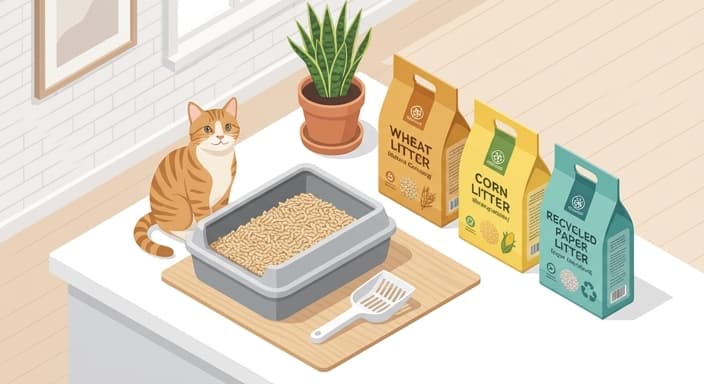
When discussing sustainable alternatives, we aren't just talking about abstract environmental benefits; we are talking about utilizing materials that are inherently safer for your cat’s paws and respiratory system. The most promising alternatives are made from renewable, plant-based fibers such as wheat, corn, wood pellets, or even recycled paper. Unlike clay, these materials are typically lightweight, compostable, and free from the industrial chemicals used to process strip-mined materials.
Wheat and corn-based litters, for instance, utilize the natural starches found in these grains to create a clumping action that rivals clay without the need for synthetic additives. Wood-based litters, often sourced from reclaimed lumber or sawdust, offer superior odor control due to the natural tannins in the wood that inhibit bacterial growth. These options are far more absorbent, meaning you can often use less litter overall, effectively lowering the amount of waste generated per month. For the environmentally conscious pet parent, the ability to compost plant-based waste (in accordance with local regulations and specific product guidelines) represents the gold standard of circular waste management.
[PHOTO_1]
Transitioning Your Cat Without the Behavioral Backlash
One of the biggest anxieties I hear from clients is the fear that their cat will reject a new, eco-friendly litter. Cats are creatures of extreme habit; they find security in familiar textures and scents. If you switch from a fine-grained clay to a chunky wood pellet overnight, you are essentially asking your cat to step onto a completely different surface texture, which can lead to "litter box protest."
The secret to a successful transition is the "gradual integration" method. Start by keeping their current litter in the box, but add a small layer—perhaps 20%—of the new sustainable litter on top. Over the course of two to three weeks, slowly increase the ratio of the new litter while decreasing the old. This allows your cat to acclimate to the change in texture, scent, and clumping behavior at their own pace. During this transition, it is also helpful to keep the box exceptionally clean. If you notice your cat hesitant to use the box, back off on the ratio and stay at a comfortable percentage for a few extra days. Patience is the key to ensuring your cat views the new, sustainable option as a safe and familiar place.
Why Texture and Particle Size Matter
In my clinic, I often emphasize that a cat’s paw pads are incredibly sensitive, equipped with specialized receptors that help them navigate their environment. Many owners choose a litter based on how it smells to them, but the cat is evaluating the litter based on how it feels to their feet. This is why many "eco-friendly" options that are too coarse or sharp-edged fail to gain traction in households with sensitive cats.
When exploring sustainable options, look for "fine-grain" plant-based litters if your cat is used to the sandy texture of clay. Fine-grain wheat or corn litters provide a similar tactile experience to clay, which helps bridge the gap between traditional and sustainable. Conversely, if your cat has long hair, you might find that wood pellets are actually a better choice, as they are less likely to stick to the fur and get tracked throughout the home. Matching the litter texture to your cat’s physical needs is just as important as choosing a sustainable material. It is a balancing act of biology, behavior, and environmental ethics.
[PHOTO_2]
The Economic and Health Long-Term View
While sustainable litters can sometimes carry a higher price tag per bag than low-end clay, it is crucial to look at the "cost-per-use" rather than the "cost-per-bag." Because many of these plant-based alternatives are more efficient at clumping and odor absorption, you will likely find that you need to use less litter in each scoop, and the litter itself lasts longer before needing a full box refresh. When you factor in the potential for reduced veterinary bills—specifically those related to respiratory issues or potential urinary tract irritations caused by dust—the investment in high-quality, sustainable litter pays dividends for your pet’s health.
Moreover, the psychological benefit of knowing you are no longer supporting the strip-mining industry is a significant factor in the holistic care of your pet. We are the stewards of our cats' worlds; every decision we make, from the vertical space we provide to the substrate we place in their litter boxes, contributes to their longevity and happiness. By choosing sustainable materials, we are not just opting for a better product; we are aligning our caregiving habits with a healthier future for both our feline companions and the planet they inhabit.
Transitioning to a sustainable cat litter is one of the most impactful, yet simple, changes a pet parent can make to improve their cat’s quality of life. By moving away from strip-mined clays toward renewable, plant-based alternatives, you are minimizing your cat's exposure to respiratory irritants while significantly reducing your household’s environmental footprint. Start small with a gradual transition, observe your cat’s preferences closely, and remember that the best litter is the one that keeps your cat feeling secure, comfortable, and healthy. With a bit of patience and the right choice, you can turn a mundane daily chore into a proactive step toward a more sustainable and compassionate lifestyle for your feline friend.
Common Questions
🤔
Frequently Asked Questions
Why is traditional clay litter problematic for the environment and cats?▼
Clay litter is often sourced through strip mining, which damages habitats and has a high carbon footprint due to heavy mining equipment and long-distance transportation. Many clay formulas also rely on added chemicals and silica dust, which can irritate feline airways and exacerbate respiratory issues. Clay is non-biodegradable, meaning every scoop contributes to a long-lived waste stream in landfills. Switching to sustainable alternatives helps reduce environmental impact and may create a healthier home environment for cats.
What kinds of plant-based litters exist and how do they perform?▼
Plant-based litters come from wheat, corn, wood pellets, or recycled paper and often clump or absorb effectively without synthetic additives. They tend to be lighter, more absorbent, and compostable under proper guidelines, offering competitive odor control thanks to natural fibers and tannins. Performance can vary by product, so some trial and observation are usually needed to find a good match for your cat. Overall, they provide a greener option with potentially lower ongoing waste.
How should I transition my cat to a sustainable litter?▼
Use a gradual integration method by mixing the new litter with the current litter and slowly increasing the new proportion over days or weeks while keeping a familiar texture available. Monitor your cat for litter box protest and be prepared to adjust the mix or provide additional boxes during the transition. Maintain consistent cleaning and offer positive reinforcement to help your cat accept the change. A patient, staged approach reduces stress and increases the likelihood of a successful switch.
Can plant-based litter be composted and what should I consider?▼
Many plant-based litters are compostable, but you should follow local regulations and product guidelines, as some programs prohibit home composting of pet waste. Avoid composting litter with feces in edible-garden soil unless you know the composting process effectively neutralizes pathogens. If you do compost, keep the litter separate from food crops and use a system approved by local waste-management or gardening authorities for safe disposal.