Blog4/17/2026
Smart Wearable Collars for Proactive Pet Health Monitoring
5 mins Read
The Briefing
Quick takeaways for the curious
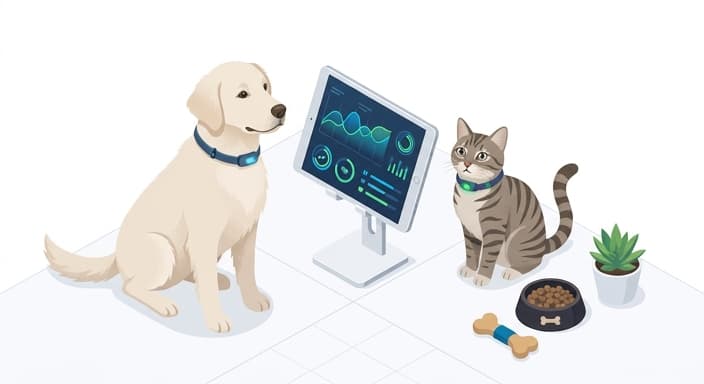
Smart wearable collars shift pet care from reactive to proactive by establishing a baseline of each pet's unique physiological rhythm through data like activity, heart rate variability, sleep, and respiration.
Interpreting long-term trends rather than daily snapshots helps catch early signs of illness—pain, hormonal imbalance, or dermatologic issues—before they escalate.
Tracking behaviors such as scratching or grooming can reveal dermatologic or anxiety-related problems earlier than visible symptoms.
Integrating wearable data with diet and exercise enables precision health plans that can improve longevity and help manage weight more effectively.
Wearables democratize veterinary information by enabling ongoing health monitoring at home and bridging the gap between the clinic and the pet's daily life.
There is a persistent, outdated myth in the modern pet care community that tracking a pet’s health is a reactive process, reserved for the moments we notice a limp, a change in appetite, or a sudden lethargy that sends us rushing to the clinic. As a veterinarian consultant, I frequently speak with devoted pet parents who believe that their animals are "fine" because they appear healthy on the surface, failing to realize that our pets are masters of masking discomfort and that subtle physiological shifts often go unnoticed until a condition becomes chronic. We are finally moving toward a more sophisticated, proactive standard of veterinary wellness that leverages smart wearable technology not as a novelty, but as a vital diagnostic bridge, effectively closing the gap between a pet who hides their pain and a pet whose health markers are consistently monitored in real-time.
The Philosophy of Preventive Monitoring
To understand why smart wearable collars are a paradigm shift for pet health, we must move past the idea that "tech" is merely a way to track a dog’s location during an escape. At its core, the intelligent collar is about establishing a baseline for your pet’s unique physiological rhythm. Much like our own smartwatches, these devices capture data points—activity levels, heart rate variability, sleep quality, and respiratory patterns—that provide an objective narrative of your pet’s daily wellness. For the average dog or cat, the modern home can obscure signs of early-onset illness; a slightly decreased activity level may be mistaken for simple laziness rather than the beginning of osteoarthritis or hypothyroidism. By utilizing wearables, we transform from guessing what our pets are feeling into interpreting hard data, allowing us to intervene before minor irregularities escalate into full-blown medical emergencies.
Deciphering the Data: What to Look For
The sheer volume of data provided by smart collars can be overwhelming, but for the discerning pet owner, it is a goldmine of information. When choosing or utilizing a wearable, the most critical metric to monitor is the "Activity vs. Rest" ratio. A sudden spike in nighttime restlessness, for example, is a classic, early clinical sign of pain or hormonal imbalance. I always advise my clients to look for devices that offer long-term trend analysis rather than just daily snapshots. Tracking your pet’s scratching or grooming frequency can also be a game-changer; many smart collars now include sensors that log repetitive behaviors, which can act as a crucial early-warning system for dermatological issues or anxiety-driven compulsions long before you see a bald patch or raw skin. When we treat data as a conversation with our pet, we become better advocates for their long-term vitality.
The Intersection of Lifestyle and Longevity
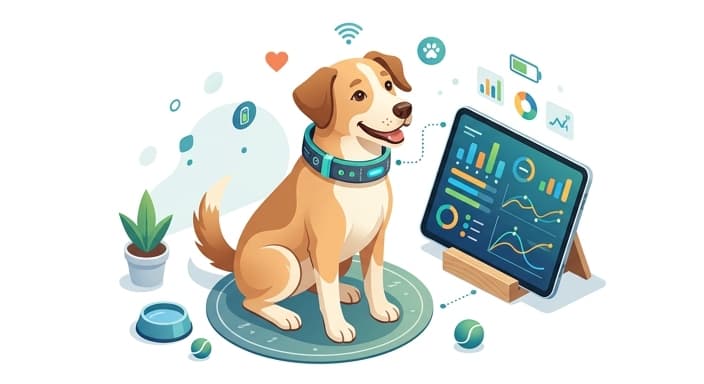
One of the most profound benefits of wearable technology is its ability to tailor exercise and nutrition to the individual pet’s metabolism. We often rely on generalized breed recommendations—"a Labrador should get 45 minutes of walking"—but these suggestions fail to account for the specific fitness level of your unique companion. Smart collars allow us to calibrate physical activity based on actual physiological load. If your dog has a low heart rate recovery time, it may be a sign that they are overexerted, allowing you to adjust their routine to prevent injury. Conversely, for pets on weight management plans, these devices provide the caloric accountability that is often missing from our estimation-based feeding schedules. By syncing activity data with dietary intake, we can create a precision health plan that maximizes longevity and minimizes the systemic strain caused by obesity.
Bridging the Gap Between Home and Clinic
Perhaps the most significant value of the smart wearable is the democratization of veterinary information. Historically, when a pet owner brings their dog or cat into the clinic, the veterinarian is limited to a "snapshot" of the animal during a fifteen-minute appointment—often while the pet is stressed, excited, or adrenaline-fueled. A smart collar provides your vet with a "movie" of your pet’s life, offering a objective history that spans weeks or months. This is invaluable for managing chronic conditions like epilepsy or cardiac arrhythmias, where the ability to show your vet a log of activity patterns and resting heart rates can be the difference between a trial-and-error treatment approach and a precise, successful medical intervention. It turns the consultation into a collaborative, data-driven partnership, ensuring that your pet receives the most accurate care possible.

Addressing Concerns: Privacy and Behavioral Impact
As with any shift toward digitalization, there are valid concerns regarding privacy and the potential for "data anxiety" among pet parents. It is important to remember that these devices are tools to enhance your intuition, not replace it. If the data suggests your pet is sleeping more than usual, do not panic; look for context. Is it rainy outside? Is there a construction crew working next door that has disrupted their routine? Furthermore, ensure the device you choose is lightweight, ergonomic, and non-intrusive. The goal is to improve the quality of life, not to create a source of sensory overload for the animal. When used correctly, the wearable collar should be as unnoticeable to your pet as a standard flat collar, serving as a silent, invisible guardian that works in the background to ensure their comfort.
The Future of Proactive Pet Parenting
We are standing at the threshold of a new era in veterinary medicine, where the integration of smart technology into our daily routines allows us to be more present, informed, and attentive than ever before. By moving away from the "wait and see" model of care and embracing the insights offered by wearable health trackers, we are choosing to honor the biological needs of our pets with the same level of care we apply to our own health. Whether you are managing a senior pet with complex needs or simply want to optimize the wellness of a high-energy puppy, these devices serve as a bridge to a longer, healthier life. As we continue to lean into this technology, our role as pet parents evolves from mere caretakers to architects of a thriving, data-informed lifestyle, ensuring that our companions spend less time in the clinic and more time doing what they do best: living fully by our sides.
Common Questions
🤔
Frequently Asked Questions
What do smart wearable collars measure, and how can that data help my pet's health?▼
Smart wearable collars measure activity, sleep quality, heart rate, heart rate variability, respiration, and sometimes scratching or grooming patterns. This data helps establish a baseline for your pet and track long-term trends, enabling early detection of subtle changes before they become obvious symptoms. By translating raw numbers into patterns, you and your veterinarian can identify potential issues such as pain, hormonal shifts, or dermatologic problems and intervene sooner. It turns daily observations into actionable health insights.
How should I respond if I notice a concerning trend in my pet's wearable data?▼
First, verify that the data is accurate (check the fit of the device, battery level, and syncing). Then consider whether the trend aligns with any observable changes in behavior or symptoms. Share the data with your veterinarian and discuss whether an in-person visit or targeted tests are warranted. Remember that wearable data is a tool for early detection, not a standalone diagnosis.
Can wearables replace vet visits?▼
Wearable collars are a proactive diagnostic bridge and can dramatically improve early detection and individualized care, but they do not replace professional veterinary evaluation. They empower you to monitor your pet more continuously and provide veterinarians with richer data to guide treatment. Regular checkups remain essential for comprehensive health assessment and diagnostics that wearables cannot provide. Use them as a supplement to, not a substitute for, veterinary care.
What should I look for when choosing a wearable collar for my pet?▼
Look for devices that offer reliable long-term trend analysis, validated sensors, and comfortable, well-fitting hardware suitable for your pet's size and breed. Consider battery life, data sharing capabilities with your veterinarian, privacy controls, and how well the device tolerates your pet's activity (e.g., scratching, swimming). Also assess the brand's track record for accuracy and the ease of syncing data to a user-friendly app. Finally, ensure the collar supports your pet's lifestyle and veterinarian's preferred data integration.