Blog4/1/2026
Smart Water Fountains for Cat Hydration: Benefits & Uses
6 mins Read
The Briefing
Quick takeaways for the curious
Traditional still water bowls are a sensory mismatch for cats whose biology favors moving water and fresh streams.
Chronic, subclinical dehydration in indoor cats contributes to urinary tract disease and progressive kidney decline, making hydration a preventative priority.
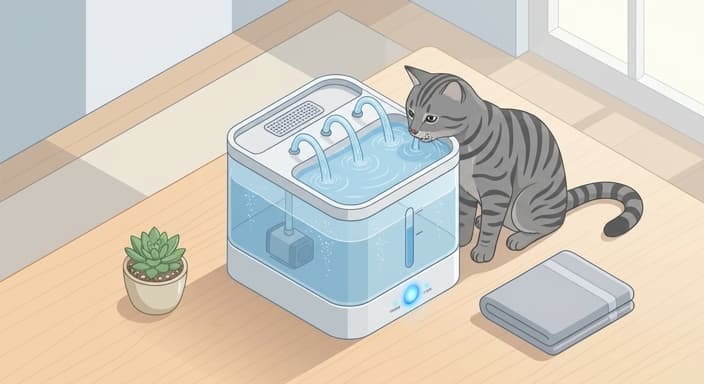
Smart water fountains actively encourage drinking by providing moving, fresher water and can reduce time spent on scarce water sources.
Modern fountains go beyond pumps by managing water chemistry, temperature, and flow to keep water appealing and hygienic.
Adopting smart fountains reflects a shift from passive water provision to proactive feline hydration management in modern husbandry.
There is a persistent, outdated myth in the veterinary world that a cat’s hydration needs are sufficiently met by a bowl of stagnant water left on the floor, leaving many pet owners to assume that if their cat isn't visibly panting or lethargic, they are properly hydrated. As a veterinarian consultant, I frequently consult with devoted cat parents who are surprised to learn that chronic, subclinical dehydration is a silent epidemic in indoor felines, contributing significantly to the prevalence of urinary tract disease and renal insufficiency. We are finally moving toward a more sophisticated, proactive standard of feline husbandry that prioritizes active hydration through smart water technology, effectively closing the gap between a cat's ancestral desert-dwelling biology and the limitations of a modern indoor lifestyle.
The Evolutionary Mismatch of Still Water
To understand why smart water fountains have become a clinical recommendation rather than a luxury accessory, we must look at the biological reality of the feline species. Domestic cats are descended from the African wildcat, a desert-dwelling predator that evolved to derive the vast majority of its moisture from the prey it consumed. Because their ancestors rarely encountered standing pools of water in the wild—which were often stagnant and harborers of bacteria—cats developed a biological aversion to still water. In their instinctual logic, still water is often synonymous with contamination.
From a clinical perspective, I often caution clients that the "water bowl" we provide is essentially a sensory mismatch for their cat. A bowl of water sitting on the floor, exposed to dust, fur, and the ambient air of a home, is not an attractive hydration source for a creature that craves the movement and oxygenation of a running stream. When we rely solely on a bowl, we are asking a cat to override millions of years of evolutionary caution. This is why many cats will ignore their bowl all day, only to follow you to the bathroom to drink from a dripping faucet. That faucet isn't just a quirky habit; it is a desperate attempt to find fresh, moving water that matches their innate survival instincts.
The Clinical Impact of Chronic Dehydration
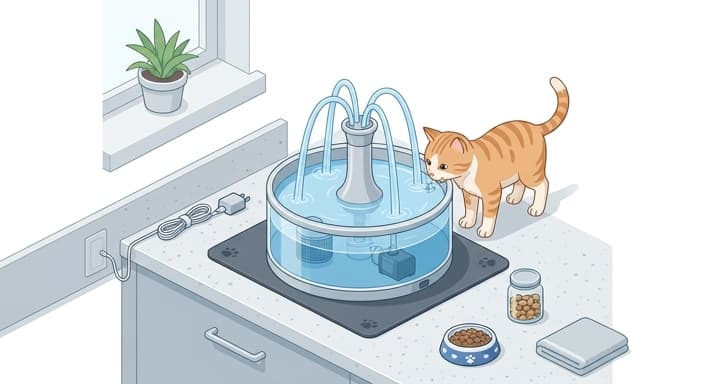
When a cat does not drink enough water, the primary victim is the urinary tract. Feline Lower Urinary Tract Disease (FLUTD) and the formation of bladder stones or "sludge" are directly correlated with concentrated urine. In a dehydrated state, the minerals in a cat's urine—specifically magnesium, ammonium, and phosphate—have a higher likelihood of crystallizing. These crystals can cause inflammation, blockage, and excruciating pain, leading to frequent emergency veterinary visits that could have been mitigated with higher daily water intake.
Furthermore, we cannot ignore the long-term impact on renal function. Chronic Kidney Disease (CKD) is one of the most common diagnoses in senior cats. While genetics play a significant role, consistent hydration throughout a cat's life is the most effective preventative measure we have. By encouraging a cat to drink more frequently through the use of a fountain, we are essentially diluting their urine and reducing the workload on their kidneys. When a cat consumes more water, they produce more dilute urine, which flushes the bladder more frequently and prevents the buildup of debris. It is a simple, mechanical solution to a complex physiological problem, yet it remains one of the most underutilized tools in preventative feline medicine.
Why Smart Fountains Outperform Traditional Models
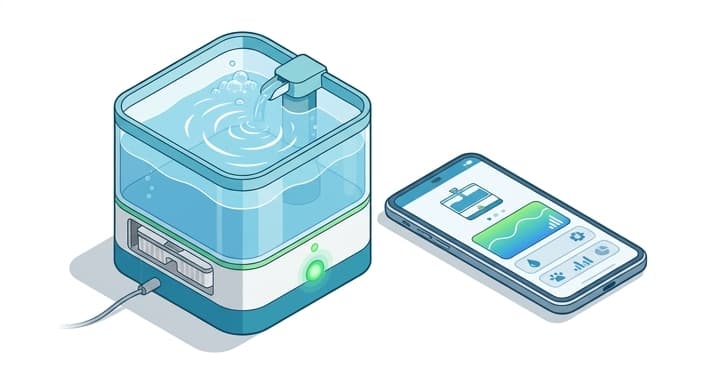
It is important to distinguish between basic gravity-fed fountains and the new generation of "smart" water fountains. A smart fountain is not just a pump in a basin; it is a system designed to maintain water chemistry, temperature, and flow dynamics. Many of these units utilize integrated ultraviolet (UV-C) sterilization, which kills bacteria and viruses at the molecular level, ensuring that the water remains as fresh as if it were coming from a natural spring.
Additionally, smart fountains often feature multi-stage filtration systems that go beyond simple hair-catching mesh. They incorporate activated carbon and ion-exchange resins to remove heavy metals, chlorine, and odors that cats—with their incredibly sensitive sense of smell—find repulsive. If a cat smells the chemicals in your tap water, they will naturally avoid it. Smart fountains address this olfactory barrier, making the water much more palatable. Furthermore, the "smart" aspect often includes app connectivity or LED indicators that alert you when water levels are low or when it is time to change the filter. This removes the guesswork from maintenance, ensuring that the fountain is always functioning at peak performance. For a busy cat owner, this reliability is the difference between a fountain that gets used and a fountain that ends up in a closet.
Strategic Placement and Maintenance Protocols
Even the most advanced fountain will fail if it is placed in the wrong location. In the veterinary world, we talk about "resource distribution." A cat’s water source should never be placed immediately next to their food bowl or their litter box. In the wild, cats avoid drinking from water sources that are near their kill site to prevent contamination from decaying prey, and they certainly wouldn't drink near their waste. Moving the fountain to a quiet, low-traffic area—or even having multiple stations throughout the home—will dramatically increase usage.
Maintenance is equally vital. A fountain is a mechanical device, and if it is not cleaned properly, it can become a biofilm factory. I recommend a "deep clean" protocol every two weeks, where the pump is disassembled and scrubbed, and the basin is sanitized with pet-safe soap. Owners often ask if the noise of the pump will bother their cat; fortunately, modern smart fountains are designed with ultra-quiet brushless motors. If your cat is particularly skittish, look for models that offer "gravity flow" settings that mimic a gentle brook rather than a splashing waterfall. The goal is to create an environment where the water is always accessible, always moving, and always clean.
Transitioning Your Cat to a New Hydration System
If you are currently using a ceramic or plastic bowl, the transition to a fountain should be a gradual process to avoid "resource anxiety." Start by keeping the old bowl in its usual spot while introducing the new fountain nearby. Once you notice your cat investigating or drinking from the fountain, you can slowly phase out the bowl. Some cats may be wary of the movement or the sound, so start with the flow setting on low.
It is also worth noting that cats are individuals. Some prefer a wide, shallow basin, while others enjoy a vertical "bubbler" style. If you have a multi-cat household, ensure the fountain basin is large enough so that one cat doesn't feel "blocked" by another, which could lead to social tension at the water station. If you have a senior cat, consider a fountain with a slightly elevated design to prevent them from having to hunch their neck, which can be uncomfortable for cats with mild arthritis. By tailoring the hardware to the specific needs of your cat, you are doing more than just providing a drink—you are curating an environment that supports their longevity and comfort.
Investing in a smart water fountain is one of the most impactful decisions a cat owner can make for their pet’s long-term health. It bridges the divide between our modern homes and the wild instincts that still drive our companions, turning a basic biological necessity into an engaging, healthy experience. By prioritizing clean, moving, and accessible water, you are not just preventing potential urinary and renal issues; you are honoring the feline’s natural thirst for freshness. As we continue to advance our understanding of feline wellness, the simple water fountain stands out as a fundamental pillar of proactive care that every cat owner should embrace.
Common Questions
🤔
Frequently Asked Questions
Why do cats prefer moving water over still bowls?▼
Cats evolved in arid environments and derived most moisture from prey, so they instinctively favor fresh, moving water over stagnant bowls. Still water can appear contaminated to a cat, which discourages drinking from a bowl exposed to dust and fur. A dripping faucet mimics the natural streams they seek, explaining why many cats will drink at the bathroom sink instead of the bowl. Understanding this instinct helps owners choose hydration strategies that align with feline biology.
What health benefits can smart fountains provide for cats?▼
By encouraging higher daily water intake, fountains dilute urine and reduce crystallization of minerals linked to FLUTD. They can lessen the risk of bladder inflammation and stones and help maintain renal function in the long term. Features like continuous flow and, in some models, UV-C sterilization help keep water fresher and safer between cleanings. However, they are not a substitute for veterinary care, and hydration should be part of a broader preventive plan.
What features should I look for in a smart fountain?▼
Choose a fountain that actively manages water chemistry, temperature, and flow rather than a simple gravity-fed unit. Look for UV-C sterilization, easily replaceable filters, and a design that keeps water accessible and appealing to a picky drinker. Ensure the unit is easy to clean and has a reservoir size that fits your cat's drinking habits while maintaining quiet operation.
How should I introduce a smart fountain to my cat?▼
Because many cats actively seek moving water, place the fountain in a location where your cat already drinks or spends time. Allow a gradual transition by offering the fountain alongside the old water source for several days. Observe your cat's behavior and be patient, as some cats take time to adjust to a new hydration option. Keep the fountain clean and ensure fresh water is available at all times to maximize acceptance.