Blog4/21/2026
Smart Tech for Senior Pet Monitoring: Proactive Care
6 mins Read
The Briefing
Quick takeaways for the curious
Smart monitoring turns subjective observations into objective data about a senior pet's health, enabling earlier recognition of changes that may indicate conditions like Canine Cognitive Dysfunction, osteoarthritis, or hypertension.
AI-powered analytics establish a pet-specific baseline and flag subtle deviations, such as nighttime pacing or altered water intake, so owners receive timely alerts and vets can intervene sooner.
By providing continuous data without relying on episodic checks, smart tech closes the gap between a pet who suffers in silence and the proactive medical care they deserve.
Designing a smart sanctuary means choosing low-friction devices and features like adaptive lighting that support circadian rhythms, while avoiding bulky wearables or complicated interfaces.
Ultimately, smart technology is a diagnostic bridge, not a gimmick, that improves comfort and quality of life when integrated thoughtfully with veterinary guidance.
There is a persistent, outdated myth in the modern pet care community that the subtle decline of a senior pet—the missed jumps, the nocturnal pacing, or the accidental lapses in house training—are simply "part of getting old" that must be endured with passive resignation. As a veterinarian consultant, I frequently speak with devoted pet parents who feel overwhelmed by the invisible struggles of their aging companions, failing to realize that these behavioral shifts are often clinical markers of cognitive dysfunction or underlying systemic changes that can be tracked, managed, and mitigated. We are finally moving toward a more sophisticated, data-driven standard of geriatric care that leverages smart home technology not as a "gimmick" for the tech-obsessed, but as a diagnostic bridge, effectively closing the gap between a senior pet who suffers in silence and one who receives the precise, proactive medical attention they deserve.
The Physiology of Aging: Why Monitoring Matters More Than Ever
To understand why smart tech represents a paradigm shift for senior wellness, we must first demystify the aging process in our pets. As a dog or cat enters their golden years, their homeostatic regulation—the body’s ability to maintain a stable internal environment—becomes increasingly fragile. A senior pet’s ability to communicate pain or distress is often masked by evolutionary instincts that drive them to hide weakness. When we rely solely on our naked eye to "check in" on them, we are often seeing only the symptoms of a condition that has been developing for months.
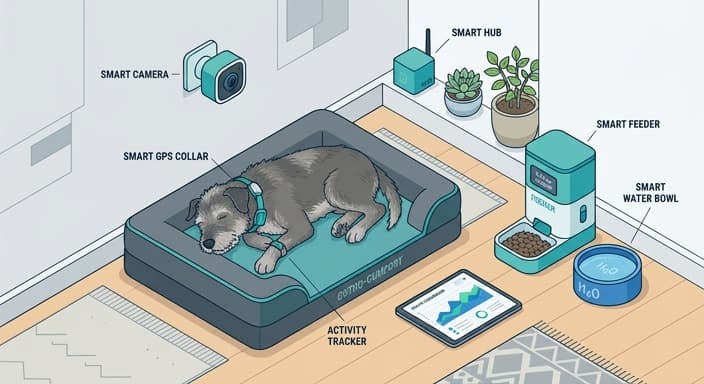
Smart monitoring systems—ranging from high-definition interactive cameras to wearable activity trackers—act as a continuous diagnostic window. They allow us to observe baseline behaviors such as resting respiratory rates, nocturnal wakefulness, and mobility patterns during times when we are away or asleep. By capturing this longitudinal data, we provide veterinarians with objective evidence rather than anecdotal observations, allowing for earlier interventions in conditions like osteoarthritis, hypertension, or Canine Cognitive Dysfunction (CCD).
Beyond the Lens: The Role of AI-Powered Behavioral Analytics
Modern pet tech has evolved far beyond the simple "pet cam" of a decade ago. Today, we are seeing the rise of AI-driven platforms that analyze movement and sound to flag potential health crises before they become emergencies. For a senior pet, the most critical data points are often the ones we miss: the subtle increase in nighttime pacing, the change in the frequency of trips to the water bowl, or the uncharacteristic hesitation before jumping onto a familiar sofa.
These smart systems use machine learning to establish a "normal" for your specific pet. When the system detects a deviation—perhaps a 20% decrease in daily steps or an increase in vocalizations during the night—it sends a notification to the owner. This is the difference between waiting for a senior pet to stop eating entirely (a late-stage symptom) and noticing a gradual decrease in activity levels three weeks prior. From a clinical perspective, this allows us to adjust pain management protocols or dietary support before the quality of life is severely compromised.
Creating a "Smart" Sanctuary: Integrating Tech with Comfort
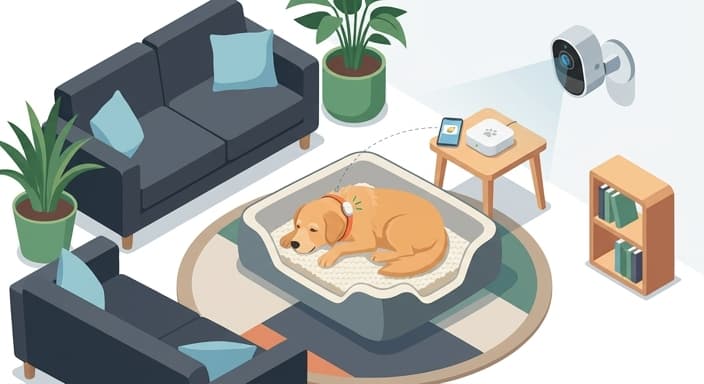
Integrating technology into your home shouldn't feel like turning your living room into a sterile laboratory. The goal is to create a "smart sanctuary" that prioritizes the senior pet’s comfort while maintaining a non-intrusive safety net. For instance, smart lighting systems can be programmed to gradually brighten or dim to help stabilize the circadian rhythms of pets suffering from cognitive decline, who often experience "sundowning" or confusion after dark.
When selecting technology for a senior pet, I always advise focusing on "low-friction" devices. Avoid equipment that requires the pet to wear bulky collars or interact with complex interfaces. Instead, opt for ambient sensors: pressure-sensitive mats that track sleep quality, or acoustic sensors that monitor breathing patterns without needing the pet to be in a specific room. The most effective monitoring tech is the kind that works silently in the background, allowing the pet to be their authentic, relaxed self without the interference of a human constantly checking in.
The Human-Animal Bond in the Age of Data
There is a natural concern among pet parents that relying on technology might distance us from the intuitive connection we share with our animals. However, I have found the opposite to be true. When a device alerts me that a patient is struggling with mobility during the day, it allows the owner to dedicate their limited, high-quality time together to comforting the pet or assisting them with gentle physical therapy, rather than spending that time worrying or guessing what is wrong.
Technology serves to validate our instincts. When you feel that something is "off" with your senior companion, having data to back up that feeling empowers you to advocate for them in the exam room. It transforms the veterinary visit from a frantic, speculative conversation into a structured review of trends. By removing the guesswork, we strip away the anxiety that often plagues the final years of pet ownership, allowing us to focus on the joy of companionship and the dignity of our pets' golden years.
Practical Implementation: A Step-by-Step Approach
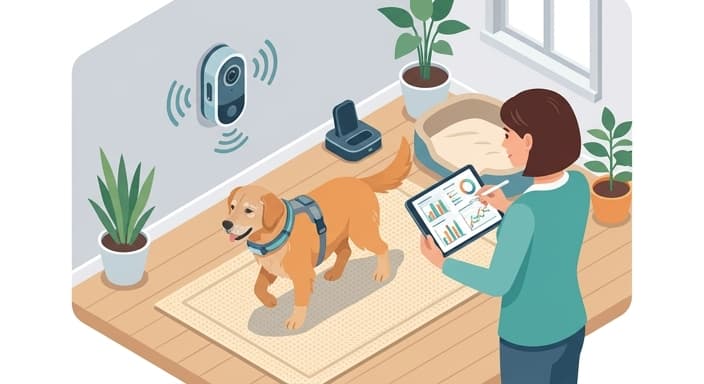
If you are ready to upgrade your senior pet’s environment, start by identifying the specific challenge you are most concerned about. If mobility is your primary concern, look for wearable activity monitors that track gait and step count; if anxiety or cognitive decline is the issue, prioritize interactive cameras with two-way audio and automatic treat dispensers to provide comfort during your absence.
Start by running the tech in "observation mode" for two weeks to establish a baseline. Resist the urge to intervene immediately when you see a minor change. Instead, keep a digital log alongside your app’s data. If you notice a trend, share that data with your veterinarian. Most practitioners are thrilled to receive actionable, objective insights. Remember that technology is a tool, not a replacement for regular wellness exams, blood work, or the physical touch that every senior pet craves. When used in tandem with professional veterinary care, these innovations serve as a powerful safety net, ensuring that your pet’s transition into their senior years is marked by comfort, safety, and the highest possible quality of life.
In conclusion, the integration of smart technology into the lives of our aging pets is one of the most compassionate shifts in modern veterinary care. By choosing to move from reactive observation to proactive, data-informed monitoring, we provide our companions with a voice that transcends their limitations. We move away from the frustration of guessing and toward a future where we can meet our pets exactly where they are, providing the precise support they need to navigate their golden years with the grace and comfort they have earned through a lifetime of unconditional love.
Common Questions
🤔
Frequently Asked Questions
What is the primary benefit of smart tech for senior pet monitoring?▼
Smart tech provides continuous observation and objective data about a senior pet’s daily habits. This enables veterinarians and owners to detect subtle changes before they become obvious emergencies. It supports earlier diagnoses and tailored interventions that can slow progression of conditions like CCD, arthritis, or hypertension. In short, it helps maintain quality of life by catching issues early.
How do AI analytics detect changes in a senior pet's behavior?▼
AI analytics compare ongoing activity and sound data to a pet-specific baseline, learning what is normal for that animal. When deviations occur, such as increased nocturnal vocalizations or reduced total steps, the system can flag them. Owners receive alerts and can discuss findings with their veterinarian to adjust care plans.
What should pet owners consider when selecting devices for a senior pet?▼
Prioritize low-friction devices that are non-intrusive and easy to use. Avoid bulky collars or interfaces that require intense interaction from the pet. Look for devices that integrate smoothly with daily routines and allow data sharing with your veterinarian. Also consider privacy, battery life, and reliability.
How can smart tech be integrated into daily life without making the home feel clinical?▼
Use tech to create a smart sanctuary that supports comfort and safety rather than turning the home into a lab. Choose features like gentle lighting that aligns with circadian rhythms and non-intrusive monitoring that doesn’t disrupt the pet’s routine. Keep veterinary involvement and data review as part of the care plan to ensure insights translate into action.