Blog4/18/2026
Smart Tech for Pet Health: Proactive Wellness Monitoring
6 mins Read
The Briefing
Quick takeaways for the curious
Smart wearable technology transforms pet health care from reactive responses to proactive, baseline-driven monitoring that catches subtle shifts early.
Longitudinal data from these devices builds a digital health narrative, allowing veterinarians to intervene before conditions become obvious to the eye or ear.
The smart pet ecosystem extends beyond collars to smart home devices and cameras, offering multi-system insights that were not previously accessible.
Sleep quality, activity trends, and behavioral anomalies are the most actionable metrics for early intervention and ongoing wellness.
Start with a simple setup focused on a couple of core metrics and establish a routine for sharing data with your veterinarian.
There is a persistent, outdated myth in the modern pet care community that tracking a pet’s health is a reactive process, reserved for the moments we notice a limp, a change in appetite, or a sudden lethargy that sends us rushing to the clinic. As a veterinarian consultant, I frequently speak with devoted pet parents who believe that their animals are "fine" because they appear healthy on the surface, failing to realize that our pets are masters of masking discomfort and that subtle physiological shifts often go unnoticed until a condition becomes chronic. We are finally moving toward a more sophisticated, proactive standard of veterinary wellness that leverages smart wearable technology not as a novelty, but as a vital diagnostic bridge, effectively closing the gap between a pet who hides their pain and a pet whose health markers are consistently monitored in real-time.
The Philosophy of Preventive Monitoring
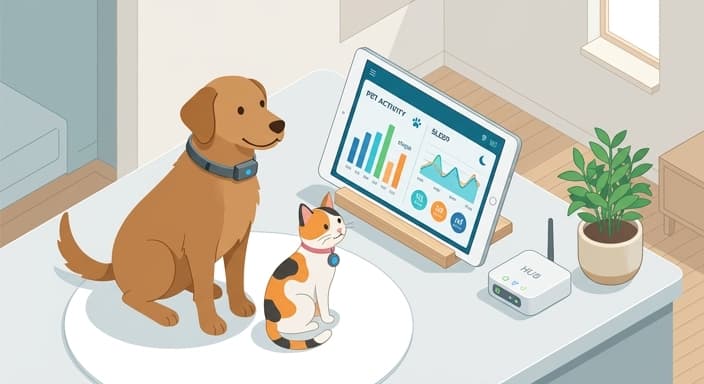
To understand why smart pet tech is a paradigm shift for health, we must move past the idea that "tech" is merely a way to track a dog’s location during an escape or a glorified fitness pedometer. At its core, the intelligent health monitor is about establishing a digital baseline for your pet’s unique physiological rhythm. Much like our own smartwatches, these devices capture data points—activity levels, scratching frequency, sleep quality, and respiratory patterns—that provide an objective narrative of your pet’s daily wellness.
For the average dog or cat, the modern home can obscure signs of early-stage illness. A dog with mild osteoarthritis may stop jumping onto the sofa, a change you might attribute to "getting older" rather than chronic pain. However, a wearable device will show a statistically significant decrease in daily activity and sleep fragmentation, providing data that allows your veterinarian to intervene months before a limp becomes visible. By collecting this longitudinal data, we transform the annual check-up from a snapshot of a single moment into a comprehensive film of your pet’s health journey.
Beyond the Collar: Categories of Smart Tech
The ecosystem of pet health technology has expanded well beyond the simple GPS tracker. Today, we have a robust suite of tools that target specific physiological systems. Smart collars are the most common, utilizing accelerometers and gyroscopes to track movement and rest. These are excellent for monitoring mobility issues or recovering from orthopedic surgery.
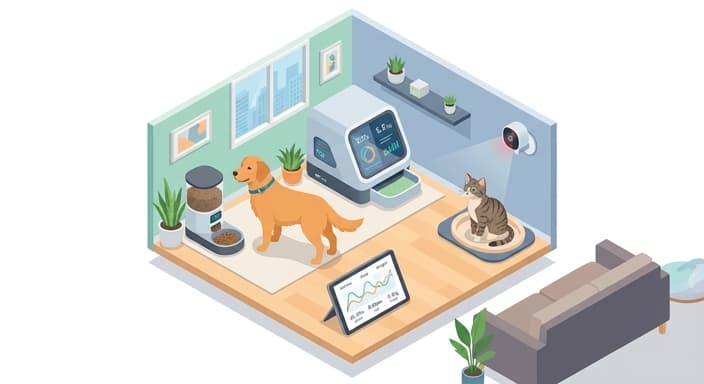
Then, we have the "smart home" integration. Automatic feeders and smart litter boxes, such as those that weigh your cat and track frequency of elimination, are diagnostic powerhouses. For example, a sudden increase in urination volume or frequency is often the first clinical sign of diabetes or chronic kidney disease in felines. By having this data logged automatically, you can present your vet with a graph of output changes rather than guessing whether your cat has been to the box more often than usual. Furthermore, smart pet cameras equipped with AI can now alert you to abnormal vocalizations or coughing fits, allowing you to capture video evidence of "that weird thing he does" to show your vet—a luxury that was previously impossible.
Deciphering the Data: What Should You Actually Track?
With so many metrics available, it is easy for pet parents to experience "data fatigue." It is important to remember that not every data point is equally actionable. As a clinician, I prioritize three specific areas when reviewing patient data from smart devices: sleep quality, activity trends, and behavioral anomalies.
Sleep is perhaps the most underrated health metric. If your dog is moving from deep, restorative sleep into light, interrupted slumber, they are often in pain or experiencing anxiety. Similarly, "activity trends" are more useful than absolute numbers. If your high-energy Border Collie suddenly drops their daily step count by 30%, it is a red flag, even if they are still technically "active."
Finally, pay attention to deviations from the baseline. If your pet has a specific scratching habit, a smart collar that tags "frequency of scratching" can help determine if the issue is environmental (like a pollen allergy) or seasonal. The goal is not to become obsessed with every fluctuation but to identify sustained trends that deviate from your pet’s "normal." Always discuss these trends with your vet before making lifestyle changes, as data without clinical context can be misleading.
Integrating Tech into Veterinary Consultations
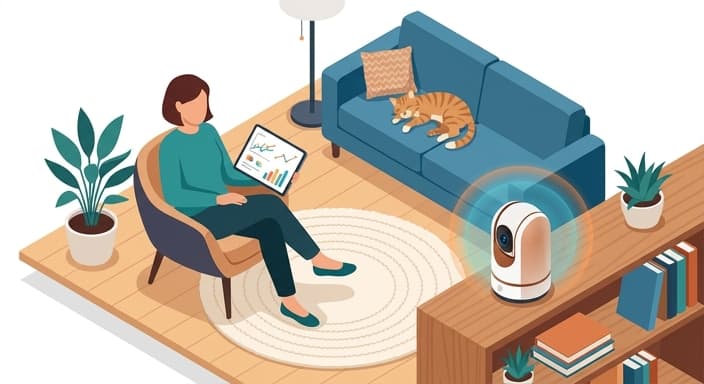
One of the greatest benefits of the digital age is that we are finally bridging the communication gap between the exam room and the living room. When you bring your pet in for a consultation, bringing a printout or a digital export of their activity data is incredibly valuable. It removes the subjectivity of "he seems a bit tired lately" and replaces it with "his activity levels have dropped 20% over the last three weeks."
When presenting this data to your veterinarian, ask for their interpretation of the trends. A good vet will be excited to see this data; it makes their job easier and more precise. If your pet is on medication for a chronic condition, such as heart disease or arthritis, share the data at every follow-up. We can use these metrics to calibrate dosages effectively. If we prescribe a pain medication and see the "activity index" on your dog’s app climb back toward their baseline, we have objective proof that the treatment is working. This is the gold standard of personalized medicine.
Privacy, Accuracy, and Choosing the Right Device
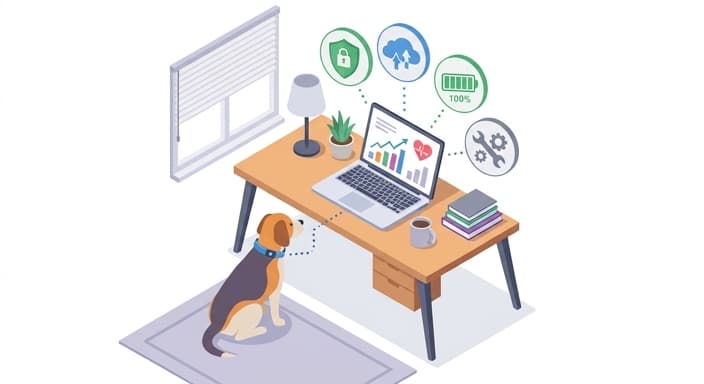
Not all smart tech is created equal, and as a consultant, I urge pet parents to be discerning. When choosing a device, consider the battery life, the durability, and the data security. A device that must be charged twice a day is likely to be left on the counter, leading to gaps in your data. Look for devices that offer long-term cloud storage so you can look back at seasonal trends from the previous year.
Furthermore, ensure that the device's software is compatible with modern veterinary needs. Some companies now offer reports that are specifically formatted for veterinarians, which is a massive bonus. Most importantly, remember that no sensor replaces your intuition. If your pet’s app says everything is fine, but your gut tells you something is wrong—perhaps they are hiding in a corner or have a dull coat—schedule an appointment. Technology is a tool, not a substitute for the bond you share with your pet. The best outcomes occur when we combine the objective data of smart tech with the subjective, loving observation of a dedicated pet parent.
The Future of Proactive Wellness
We are currently standing at the threshold of a new era in veterinary medicine, where "preventive" no longer just means yearly vaccinations and dental cleanings. It means having the ability to detect a metabolic shift, a brewing infection, or the onset of joint degradation before it ever manifests as physical suffering. By embracing these tools, we are effectively giving our pets a voice, allowing them to communicate their internal state in a language that modern science can interpret.
As you navigate this world of smart tech, remember that the goal is always to improve your pet’s quality of life. Whether it is a GPS tracker for the adventurous pup or a smart litter box for the senior cat, these devices are here to help us be better stewards of our pets' health. By staying curious, maintaining a baseline, and keeping a close dialogue with your vet, you are taking the most significant step toward ensuring your furry companion enjoys a long, vibrant, and pain-free life by your side.
Common Questions
🤔
Frequently Asked Questions
What is preventive monitoring in pet health and why does it matter?▼
Preventive monitoring uses continuous data from smart devices to establish a baseline for your pet's normal physiology and behavior. It helps detect subtle changes that may precede visible symptoms, enabling earlier veterinary review and intervention. This shifts care from reacting to problems to actively maintaining wellness throughout a pet's life.
What kinds of devices should I consider for monitoring?▼
Consider smart collars that track movement and sleep, smart home tools like connected feeders, litter boxes, and scales that log weight and elimination data, and AI-enabled pet cameras for recording unusual vocalizations or coughing. These devices collectively provide multi-system insights such as mobility, hydration, urination, and sleep quality. Your veterinarian can use the accumulated data to spot trends and guide diagnostics or treatment plans.
Which data points are most actionable for my pet's health?▼
Prioritize sleep quality, activity trends, and behavioral anomalies, as these often reveal pain, fatigue, or anxiety before an obvious clinical sign appears. Avoid data fatigue by focusing on changes rather than all raw numbers, and compare against your pet's established baseline. Bring the summarized trends to your vet visits to facilitate faster interpretation and decision-making.
How do I start integrating smart tech with veterinary care?▼
Begin by establishing a baseline for your pet's normal sleep, activity, and routine spending time with your vet discussing which metrics matter most for their health. Create a simple data-sharing plan so the vet can access logs and graphs, and schedule regular check-ins to review trends. Address privacy and cost considerations upfront, and treat the data as a tool to guide but not replace professional exams.