Blog4/15/2026
Smart Tech for Monitoring Pet Activity: A Proactive Health Tool
6 mins Read
The Briefing
Quick takeaways for the curious
Smart pet activity monitoring moves beyond step counting by capturing multidimensional data on movement, rest, and overall energy patterns.
These devices create a personal digital baseline for each animal, enabling detection of deviations that may indicate health issues.
Early shifts in activity, mobility, or sleep often precede obvious clinical symptoms and can guide timely interventions.
Sleep architecture data provides a sensitive health metric for pain, anxiety, cognitive changes, and systemic disease.
Using wearable data, pet parents and veterinarians collaborate to catch problems early and tailor care to each animal, improving quality of life.
There is a persistent, outdated myth in the modern pet care community that a dog’s or cat’s daily activity levels are merely a reflection of their mood or the weather, rather than a vital sign of their underlying physiological health. As a veterinarian consultant, I frequently speak with well-meaning pet parents who view "laziness" or "bursts of energy" as simple personality quirks, failing to realize that our pets are masters of compensation, evolutionary programmed to mask early-stage illness until it becomes unavoidable. We are finally moving toward a more sophisticated, proactive standard of animal wellness that leverages smart technology not as a novelty, but as a diagnostic bridge, effectively closing the gap between a pet who suffers in silence and one whose subtle behavioral shifts are intercepted by data-driven insights long before they manifest as a clinical emergency.
The Digital Guardian: Beyond the Step Counter
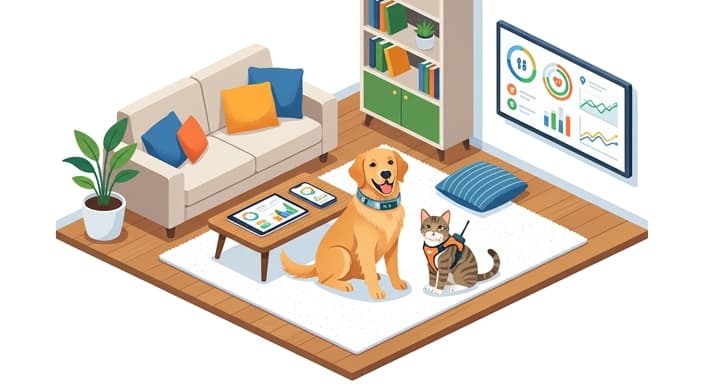
To understand why smart activity monitoring is a paradigm shift for veterinary medicine, we must move past the idea of these devices as simple GPS trackers for runaway pups or pedometers for overweight pets. At their core, modern smart monitors—whether collar-mounted devices or sophisticated pet-safe wearables—are high-fidelity motion sensors that capture multidimensional data points regarding your pet’s physical rhythm. They track more than just steps; they record the intensity of movement, the frequency of posture changes, and the quality of rest.
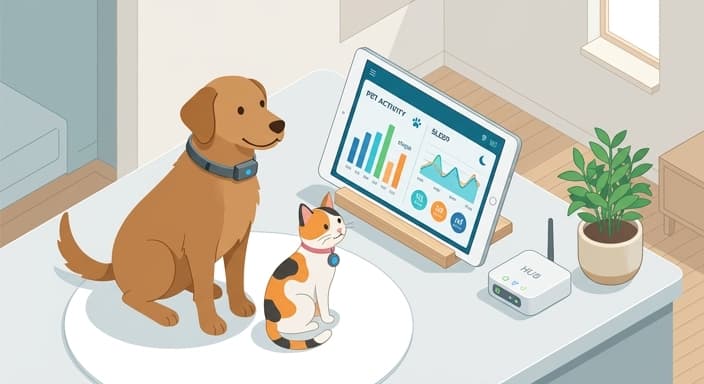
When we rely on human observation alone, we are inherently limited by our own schedules. You might be at work while your pet experiences a morning of lethargy or an increase in nighttime restlessness. Smart tech acts as a 24/7 silent observer, creating a digital baseline of what "normal" looks like for your specific companion. By quantifying these behaviors, we can identify deviations—such as a 15% decrease in daily active minutes or a sudden fragmentation in sleep—that often precede visible symptoms of osteoarthritis, endocrine disorders, or chronic pain.
Decoding the Language of Movement
The data provided by smart trackers serves as a translator for the unspoken language of our pets. For instance, a dog exhibiting "lethargy" might actually be suffering from the subtle, creeping discomfort of joint pain. When a pet is hurting, they don't always limp; often, they simply change their behavior. They may choose to lie down more frequently, take shorter walks, or avoid jumping onto their favorite couch.
By analyzing activity trends, we can differentiate between a "lazy day" caused by a rainy afternoon and a systematic decline in mobility. In my practice, I have seen owners identify the onset of degenerative joint disease months before the pet began favoring a limb. This early detection allows for the implementation of therapeutic interventions—such as weight management, physical therapy, or targeted nutritional supplements—at a stage where they are most effective. By catching these shifts early, we can delay the need for heavy pharmaceutical pain management and significantly enhance our pets' quality of life.
Sleep Architecture as a Health Metric
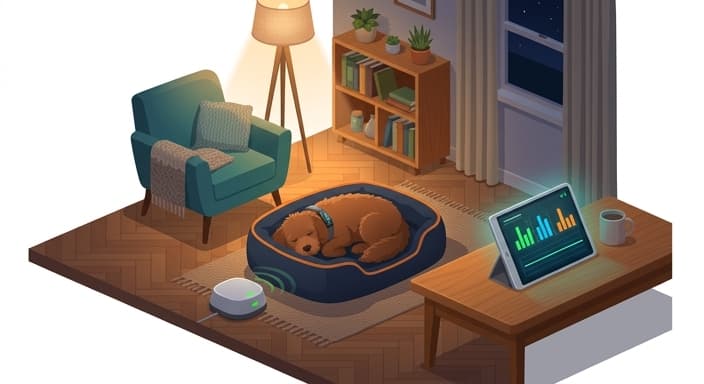
One of the most underutilized features of modern pet wearables is their ability to monitor "sleep architecture." Just like humans, the quality and duration of a pet’s sleep is a massive indicator of systemic health. A pet that is experiencing high levels of discomfort or anxiety will often have a fractured sleep cycle, characterized by frequent wake-ups, pacing, or an inability to reach deep REM sleep.
Smart monitoring allows us to track these patterns over weeks and months. If your senior dog suddenly goes from sleeping through the night to waking up four times between 2:00 AM and 6:00 AM, that is a data point that warrants a conversation with your veterinarian. It could be indicative of canine cognitive dysfunction, urinary issues, or even nocturnal pain. By presenting your vet with a concrete report of these sleep disturbances, you move the conversation from "I think he’s restless" to "He has experienced a 40% increase in nighttime wakefulness over the last two weeks," which allows us to formulate a much more precise diagnostic plan.
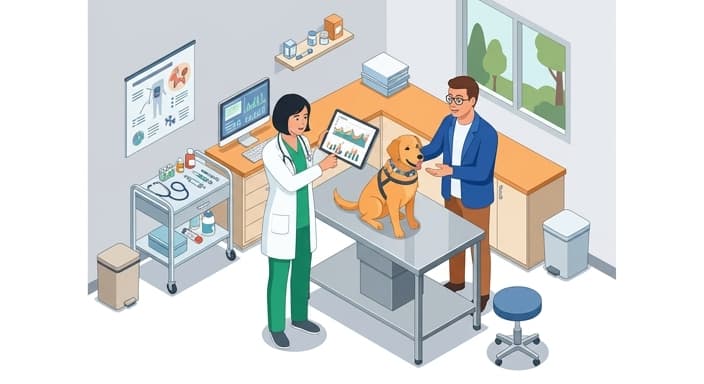
Strategic Data Sharing: Partnering with Your Veterinarian
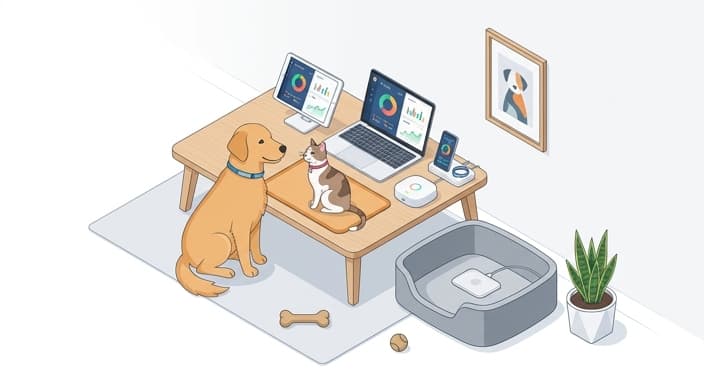
The true power of smart technology is unlocked when the data is shared with your veterinary care team. I encourage pet parents to bring their app data to their annual or biannual wellness exams. When I have access to a pet's activity trends, I am not just looking at a snapshot of their health during a 20-minute physical exam; I am looking at a longitudinal study of their wellness.
To make this most effective, try to maintain a "journal" feature within your chosen app. If you notice a spike in activity, note if it was because you went to the dog park. If you notice a dip, note if they had a vaccination or a change in diet. This context is vital. When we integrate this data into the clinical record, we can make informed decisions about medication dosages, exercise restrictions, or dietary adjustments that are tailored to the pet’s specific lifestyle. It transforms the veterinary visit from a reactive "check-up" into a proactive "wellness optimization" session.
Practical Tips for Choosing and Using Smart Tech
When selecting a device for your companion, consider the specific goal you want to achieve. If you have an athletic dog prone to orthopedic issues, prioritize devices that track high-impact activity and intensity. If you have a senior pet, focus on devices that emphasize sleep quality and resting posture. Regardless of the brand, ensure the device is lightweight, water-resistant, and comfortable enough for 24/7 wear.
Remember, technology should supplement your intuition, not replace it. You know your pet better than anyone—you know their personality, their favorite spots, and their quirks. Smart monitors simply give you the objective evidence to back up your instincts. If the app says your dog is fine, but your "gut" says something is off, always prioritize that internal alarm. Use the data as a conversation starter with your vet, a way to track the efficacy of treatments, and a tool to celebrate your pet’s milestones, like increased stamina after a successful weight-loss program.
Integrating smart tech into your pet’s life is about empowerment. It is about shifting our mindset from "waiting for the other shoe to drop" to "actively curating a healthy life." By paying attention to the subtle data signals provided by your pet’s activity monitor, you are not just tracking steps; you are investing in extra years of health, comfort, and companionship with your best friend. In the end, the most advanced piece of technology in your home will always be the bond you share, but having the data to support that bond is a game-changer for the modern pet parent.
Common Questions
🤔
Frequently Asked Questions
How do smart pet activity monitors translate raw data into meaningful insights?▼
They collect metrics such as movement intensity, posture changes, and rest quality, then translate trends into simple patterns for owners. They establish a baseline for what is normal for each pet and flag persistent deviations, such as a significant drop in daily active minutes or disrupted sleep. Veterinarians can use these trends to differentiate everyday variability from early signs of conditions like arthritis or endocrine disorders. Importantly, wearable data complements clinical exams rather than replacing professional advice.
What new health signals can these devices reveal beyond obvious lameness or lethargy?▼
Devices track not just steps but how much time a pet spends moving vs resting, the length and fragmentation of sleep, and changes in nocturnal activity. Subtle shifts such as increased night awakenings or shorter deep sleep can indicate pain, cognitive issues, or urinary problems. By analyzing trends over weeks, owners can raise concerns with their vet earlier than visible symptoms. These signals empower proactive care rather than reactive treatment.
How should pet parents respond to alerts or unusual patterns detected by wearables?▼
First confirm that the device is functioning correctly and that data is being recorded consistently. Review the trend over a few days to distinguish a short anomaly from a sustained pattern. If a concern persists, contact the veterinarian and share the wearable data along with notes about the pet’s behavior. Use wearable alerts as a starting point for a professional evaluation rather than a diagnosis.
How can veterinarians integrate wearable data into care plans?▼
Data from wearables is used alongside physical examinations and lab results to inform early diagnoses and preventative strategies. Clinicians can adjust weight management, physical therapy, or medication plans based on objective activity and sleep trends. They also help families interpret data quality, device limitations, and how to act on alerts without overreacting. Integrating wearable data supports a proactive, data driven wellness approach.