Blog4/17/2026
Smart Pet Wearables for Proactive Health Monitoring
6 mins Read

The Briefing
Quick takeaways for the curious
Smart pet wearables shift health care from reactive to proactive by creating a digital baseline for each pet’s unique physiological rhythm.
These devices track not only location but metrics like resting respiratory rate, heart rate variability, sleep quality, and daily activity, enabling early detection of subtle health shifts.
The dashboards that compile weeks or months of home data empower veterinarians to intervene during pre-symptomatic phases when treatment is most effective.
By bridging home monitoring with clinic visits, wearables reduce the white coat effect and provide a more accurate, context-rich view of a pet’s health.
Understanding which metrics matter and how to interpret them helps owners manage chronic conditions and tailor pain relief and nutrition before quality of life declines.
There is a persistent, outdated myth in the modern pet care community that tracking a pet’s health is a reactive process, reserved for the moments we notice a limp, a change in appetite, or a sudden lethargy that sends us rushing to the clinic. As a veterinarian consultant, I frequently speak with devoted pet parents who believe that their animals are "fine" because they appear healthy on the surface, failing to realize that our pets are masters of masking discomfort and that subtle physiological shifts often go unnoticed until a condition becomes chronic. We are finally moving toward a more sophisticated, proactive standard of veterinary wellness that leverages smart wearable technology not as a novelty, but as a vital diagnostic bridge, effectively closing the gap between a pet who hides their pain and a pet whose health markers are consistently monitored in real-time.
The Philosophy of Preventive Monitoring
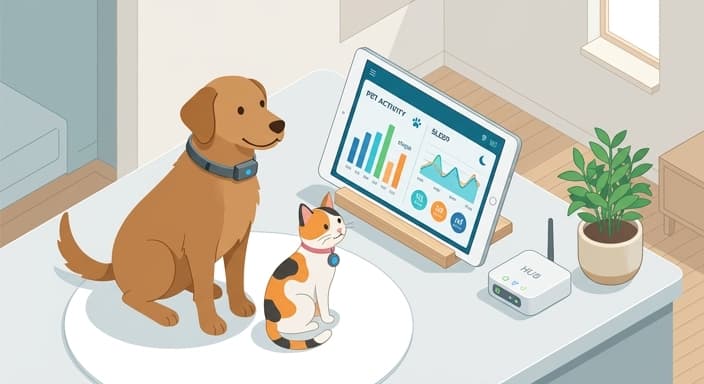
To understand why smart wearable collars and trackers are a paradigm shift for pet health, we must move past the idea that "tech" is merely a way to track a dog’s location during an escape. At its core, the intelligent wearable is about establishing a digital baseline for your pet’s unique physiological rhythm. Much like our own smartwatches, these devices capture data points—activity levels, scratching frequency, sleep quality, and respiratory patterns—that provide an objective narrative of your pet’s daily wellness.
For the average dog or cat, the modern home can obscure signs of early illness. A pet might be slightly less active due to joint pain, or they might be waking up more frequently at night due to an underlying metabolic issue or skin irritation. When you have access to a dashboard that charts these trends over weeks or months, you aren't just guessing; you are observing objective data. This allows us, as veterinarians, to intervene during the "pre-symptomatic" phase, which is often when treatment is most effective and least invasive.
Understanding the Key Metrics That Matter
When you begin researching wearable health monitors, you will encounter a variety of technical terms. It is important to distinguish between "activity trackers" and "clinical-grade health monitors." A basic tracker counts steps, which is helpful for weight management, but a true health monitor looks deeper.
Look for devices that track "resting respiratory rate" and "heart rate variability." In veterinary medicine, a resting respiratory rate is one of the most significant indicators of cardiac or respiratory distress. If your dog’s breathing rate while sleeping suddenly spikes from 20 breaths per minute to 30, it could be the first sign of congestive heart failure long before you see a cough or panting. Similarly, monitoring sleep quality is invaluable. Fragmented sleep is often the first indicator of chronic pain, particularly in senior pets suffering from osteoarthritis. By identifying these shifts early, we can adjust pain management protocols or dietary supplements before the pet’s quality of life significantly declines.

Bridging the Gap Between Home and Clinic
One of the most frequent frustrations for pet owners is the "white coat effect." When you bring your pet into the clinic, they are often stressed, excited, or anxious. Their heart rate is elevated and their blood pressure might spike, which can lead to skewed diagnostic readings. This is where smart wearables become an indispensable tool in the veterinarian's kit.
By providing your veterinarian with the data exported from your pet’s wearable, you are offering them a "window" into your pet’s life at home, where they are relaxed and behaving naturally. Instead of relying on a ten-minute snapshot in an exam room, I can look at three months of sleep cycles and activity levels. This context is transformative. For instance, if a client reports that their dog is acting "slow," but the wearable data shows consistent, high-intensity activity, we can steer our diagnostic focus toward neurological or behavioral issues rather than simple physical fatigue. It removes the guesswork and allows for a more collaborative, data-informed partnership between the owner and the care team.
Selecting the Right Device for Your Pet’s Lifestyle
Not all wearables are created equal, and the "best" device depends entirely on your pet’s specific needs. For a high-energy dog prone to wanderlust, a device that combines robust GPS tracking with activity monitoring is essential. However, for a senior cat or a dog with a known chronic condition, you should prioritize devices that focus on health metrics like heart rate, respiratory rate, and localized movement (detecting limping or favoring a limb).
When choosing a device, consider the "wearability" factor. Is it lightweight? Is it waterproof? Does the battery life last long enough to capture meaningful data without you having to charge it every few hours? A device that is too bulky can cause chafing or discomfort, which is counterproductive. I always advise my clients to look for subscriptions that allow for easy data sharing with their primary vet. If the device requires a proprietary app that you can’t export a PDF report from, it is significantly less useful during your wellness exams.
Addressing Privacy and Data Integrity
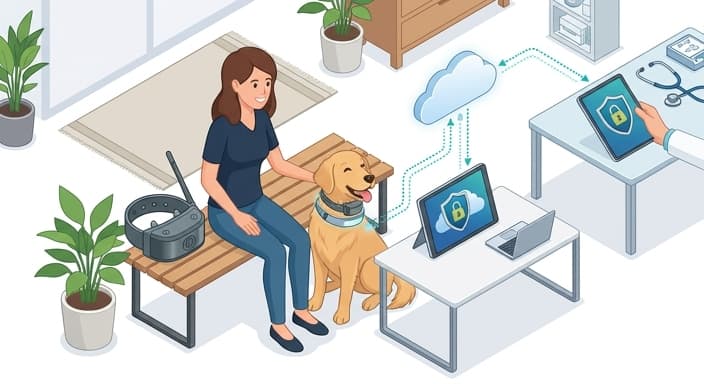
As we integrate more technology into our pets' lives, it is natural to be concerned about privacy. When you invest in a smart collar, you are essentially creating a digital health record for your animal. It is vital to choose reputable brands that prioritize encrypted data storage and transparent privacy policies. You want to ensure that your pet’s health data belongs to you and that it isn't being sold to third-party marketers.
Furthermore, remember that data is only as good as the interpretation. These wearables are not a replacement for professional veterinary care; they are a diagnostic aid. They provide the "what" and the "when," but your veterinarian provides the "why." If your device reports a sudden drop in activity, don’t panic or rely solely on internet forums for a diagnosis. Use the data to initiate a conversation with your vet. A proactive pet parent uses technology to foster better communication with their medical team, ensuring that any potential issues are addressed with a professional, comprehensive approach.
The Future of Proactive Veterinary Wellness
We are standing at the threshold of a new era in animal care. The integration of wearable technology is changing the veterinary landscape from one of "treating the sick" to "optimizing the healthy." By understanding your pet’s unique physiological baseline, you are providing them with the highest level of care possible: the gift of prevention.
Whether it is catching a subtle change in gait that signifies early arthritis or noticing a dip in sleep quality that hints at an environmental stressor, these devices act as an extension of our own senses. They allow us to advocate for our pets when they cannot speak for themselves. As you explore the market, remember that the goal is not to turn your home into a laboratory or to become obsessed with every fluctuation in the charts. Instead, aim to use these tools to build a deeper, more intuitive understanding of your pet. When we bridge the gap between human observation and digital precision, we ensure that our companions live not just longer lives, but healthier, more comfortable ones.
Common Questions
🤔
Frequently Asked Questions
What makes a wearable 'clinical-grade' versus a basic activity tracker, and why does that distinction matter?▼
Clinical-grade wearables provide measurements beyond steps, such as resting respiratory rate and heart rate variability, with validated data accuracy and consistent sampling. They also offer robust data export, long-term trend analysis, and reliable alerts that veterinarians can trust during consultations. This distinction matters because high-quality data enable earlier, more confident decisions and reduce guesswork when pets are at rest or asymptomatic.
How can wearable data be integrated into routine veterinary care without overwhelming pet owners?▼
Wearables should deliver clear dashboards and trend charts that summarize weeks of data rather than raw feeds. Veterinarians can set meaningful thresholds and weekly review routines, with optional alerts for significant changes. The goal is to support proactive conversations at regular check-ins, not to replace in-clinic assessments.
What signals should trigger a consultation based on wearable data?▼
Triggers include a sustained spike in resting respiratory rate, significant changes in heart rate variability, or noticeable sleep fragmentation that persists over several nights. A sudden drop or abnormal pattern in activity or a new increase in scratching can also indicate pain, allergy, or systemic issues. If any of these shifts are observed, especially when paired with owner concerns, a veterinary evaluation is warranted.
What steps should new users take to start using a wearable for their pet?▼
Choose a device that provides veterinary-relevant metrics and data export, and ensure a comfortable, well-fitting harness or collar to minimize stress. Establish a baseline by tracking data for several weeks and share the data with your veterinarian. Start with a plan for regular review and avoid overreacting to short-term fluctuations, using professional guidance to interpret trends.