Blog4/18/2026
Smart Pet Health Tech: Real-Time Wellness Monitoring
6 mins Read

The Briefing
Quick takeaways for the curious
Smart pet tech shifts health monitoring from reactive to proactive by creating a digital baseline of each pet’s unique physiology and tracking it in real time.
Wearables capture not just activity but sleep, scratching, and respiratory patterns, turning subtle shifts into actionable health insights.
When evaluating devices, prioritize reliability, clinical relevance, and easy data sharing, and look for behavioral baselines and long-term sleep trends.
Home-based monitoring helps reveal issues the clinic may miss due to stress or masking, providing a clearer picture of daily wellness.
By analyzing weeks or months of data, owners can spot early signs of problems such as arthritis, thyroid changes, or chronic pain before they become obvious.
There is a persistent, outdated myth in the modern pet care community that tracking a pet’s health is a reactive process, reserved for the moments we notice a limp, a change in appetite, or a sudden lethargy that sends us rushing to the clinic. As a veterinarian consultant, I frequently speak with devoted pet parents who believe that their animals are "fine" because they appear healthy on the surface, failing to realize that our pets are masters of masking discomfort and that subtle physiological shifts often go unnoticed until a condition becomes chronic. We are finally moving toward a more sophisticated, proactive standard of veterinary wellness that leverages smart wearable technology not as a novelty, but as a vital diagnostic bridge, effectively closing the gap between a pet who hides their pain and a pet whose health markers are consistently monitored in real-time.
The Philosophy of Preventive Monitoring
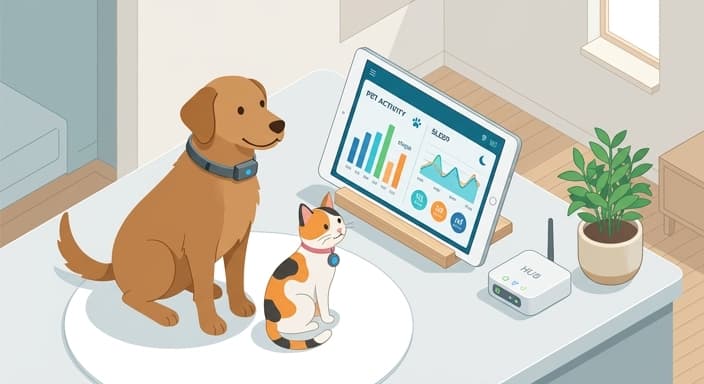
To understand why smart pet tech is a paradigm shift for health, we must move past the idea that "tech" is merely a way to track a dog’s location during an escape or a glorified fitness pedometer. At its core, the intelligent health monitor is about establishing a digital baseline for your pet’s unique physiological rhythm. Much like our own smartwatches, these devices capture data points—activity levels, scratching frequency, sleep quality, and respiratory patterns—that provide an objective narrative of your pet’s daily wellness.
For the average dog or cat, the modern home can often obscure signs of early illness. Because our pets rely on us for their daily needs, they naturally compensate for minor aches or shifts in metabolism to remain "part of the pack." By collecting data over weeks and months, we can identify trends that would be impossible to catch during a ten-minute annual exam. Whether it is a slight increase in nocturnal restlessness indicating potential arthritis or a subtle decrease in daily movement signaling a thyroid issue, these devices turn data into a language we can finally understand.
Decoding the Data: What Should You Look For?
When browsing the market for smart health monitors, it is easy to become overwhelmed by the specs. As a veterinarian, I advise my clients to focus on three key pillars: reliability, clinical relevance, and ease of data sharing. The most effective devices offer more than just a step count; they provide insights into trends. Look for wearables that track "Behavioral Baselines." If your dog suddenly starts scratching 30% more than their average, a good app will alert you to investigate for allergies or external parasites before a full-blown hot spot develops.
Furthermore, look for devices that offer long-term sleep tracking. Sleep quality is one of the most underrated indicators of animal health. A pet that is constantly shifting positions or experiencing interrupted sleep cycles may be suffering from chronic pain, respiratory issues, or even cognitive decline in senior years. When you have this information, you aren't just telling your vet "I think they’re acting weird"—you are handing them a digital report that paints a clear picture of how your pet functions over a 24-hour cycle. This is the difference between an educated guess and a data-driven diagnosis.

Integrating Tech into the Veterinary Consult
The true magic happens when your pet’s technology meets the exam room. One of the biggest challenges in veterinary medicine is the "white coat effect," where a pet’s stress at the clinic causes their heart rate, blood pressure, and cortisol levels to spike, potentially masking their true baseline health. When you bring your veterinarian a summary from your smart monitoring app, you are providing them with the "at-home" version of your pet—the one who is relaxed, eating, and playing in their natural environment.
I encourage my clients to share these reports during their check-ups. It allows me to see, for instance, if a medication for chronic heart disease is actually increasing their activity levels or if a mobility supplement is truly improving their gait. It transforms the patient history from a vague recollection into a concrete timeline. When you are shopping for these devices, ensure they have a feature that allows you to export your pet’s health history into a PDF or share it via email with your veterinary clinic. This interoperability is what makes these tools a legitimate part of your pet’s healthcare team.
Environmental Sensors and Smart Nutrition
Health monitoring doesn’t end with what we put on our pets’ collars; it extends to the environment they inhabit. Smart feeders and water fountains have evolved from simple dispensers to health-monitoring stations. If you have a cat with urinary issues or a dog prone to obesity, a smart feeder that tracks exactly how many grams of food are consumed—and when—is a game-changer. By monitoring intake, you can spot "anorexia" (a loss of appetite) days before your pet shows clinical signs like weight loss or lethargy.
Similarly, smart water fountains that track water intake can be lifesaving for cats. Since cats are naturally prone to chronic kidney disease as they age, monitoring their hydration is one of the most proactive things you can do as an owner. A sudden dip in water consumption is often the first, and sometimes the only, early warning sign that something is amiss. When these environmental sensors are paired with wearable collars, you create a 360-degree view of your pet’s health. You aren't just observing the result; you are controlling the variables that contribute to their long-term longevity.

Privacy, Accuracy, and the Human Element
While the technological landscape is exciting, it is important to maintain a healthy level of skepticism. Not every device on the market is calibrated for medical-grade accuracy. As a consumer, look for brands that have partnered with veterinary institutions or have conducted pilot studies to validate their findings. A device that promises to "diagnose" your pet is a red flag; a device that "reports trends and anomalies" is a tool for a responsible partner.
Furthermore, we must address the "digital fatigue" that some owners experience. While it is tempting to check the app every hour, the goal of pet tech is to provide peace of mind, not anxiety. I recommend setting up alerts for significant deviations only. Let the device work quietly in the background, surfacing only when your pet’s baseline truly shifts. You are the final piece of the diagnostic puzzle—your intuition, combined with the objective data from your pet’s tech, is an unbeatable combination. Your pet cannot tell you where it hurts, but with the right tools, you can finally listen to what their body is saying.
The Future of Proactive Wellness
We are standing at the threshold of a new era in pet parenting. As sensor technology becomes smaller, more sensitive, and more affordable, we will likely see a shift toward "connected" veterinary care where your vet is automatically alerted to significant changes in your pet’s vital signs. While we aren't quite there yet, the smart tech available today is already giving us the power to act sooner, treat more effectively, and ultimately provide our pets with the gift of a longer, more comfortable life. By embracing these tools, you are moving beyond the role of a passive observer and stepping into the role of an active health advocate for your four-legged companion. The best approach is always a hybrid one: combine the latest in wearable innovation with regular, proactive veterinary check-ups, and you will ensure that your pet stays at the peak of their health for years to come.
Common Questions
🤔
Frequently Asked Questions
What is smart pet health monitoring and why does it matter?▼
Smart pet health monitoring uses wearable tech to collect continuous data about a pet’s daily rhythms, creating a digital baseline that stays with them. This makes it possible to detect subtle changes that would not be evident during a short clinic visit. It supports a proactive wellness approach and helps veterinarians intervene earlier.
What should I look for in a wearable for my pet?▼
Prioritize reliability, clinical relevance, and easy data sharing with your veterinarian. Look for features like behavioral baselines, long-term sleep tracking, and alerts for deviations. Also consider comfort for the pet and battery life to ensure consistent data collection.
How do these devices affect veterinary care?▼
They provide an at-home version of the pet’s baseline, capturing their relaxed, everyday state outside the clinic. This helps reduce the white coat effect and lets veterinarians see trends over time, informing more accurate assessments. Data from wearables can guide targeted exams and timely treatment decisions.
Can data from wearables indicate early signs of illness?▼
Yes, changes such as increased scratching, altered sleep, or reduced activity can signal allergies, pain, or endocrine issues. However, wearables are not a standalone diagnosis; they guide veterinary evaluation and help monitor responses to treatment. Used in combination with clinical exams, they enable earlier intervention.