Blog4/16/2026
Smart Home Tech for Pet Safety: Proactive Alerts & Comfort
6 mins Read
The Briefing
Quick takeaways for the curious
Smart home tech is shifting pet safety from reactive one-time checks to ongoing, data-driven protection that works even when you're not at home.
Smart sensors like water leak detectors, air quality monitors, and integrated security turn a home into a proactive safety network rather than a collection of gadgets.
Environmental controls such as smart thermostats and air purifiers help prevent heat stress and poor air quality, especially for vulnerable pets.
Integrated surveillance moves beyond livestreams to intelligent analysis that can detect distress and restrict access to dangerous areas.
When selecting gear, prioritize two-way audio, night vision, and reliable, actionable alerts so you can respond quickly.
There is a persistent, outdated myth in the modern pet care community that home safety is limited to physical barriers like baby gates, cabinet locks, and keeping toxic plants out of reach. As a veterinarian consultant, I frequently speak with devoted pet parents who believe that "pet-proofing" is a one-time chore completed when they first adopt a companion, failing to realize that our homes are dynamic environments where hidden risks—from fluctuating indoor temperatures to undetected environmental hazards—can jeopardize our pets' well-being in seconds. We are finally moving toward a more sophisticated, proactive standard of home safety that leverages smart technology not as a luxury, but as an essential support system, effectively closing the gap between a reactive approach to accidents and a preventative, data-driven sanctuary that keeps our pets secure even when we are miles away.
The Evolution of the Virtual Safety Net
To understand why smart home technology is a paradigm shift for pet safety, we must move past the idea that "tech" is just about cameras or remote-controlled treat dispensers. At its core, the connected home is about creating an intelligent, responsive environment that mitigates the risks associated with modern living. For the average dog or cat, a home is a place of immense comfort, but it is also full of potential traps—the stove that was accidentally turned on, the open window, the rapid rise in humidity, or the sudden, distressing sound of a smoke alarm that no one is home to investigate.
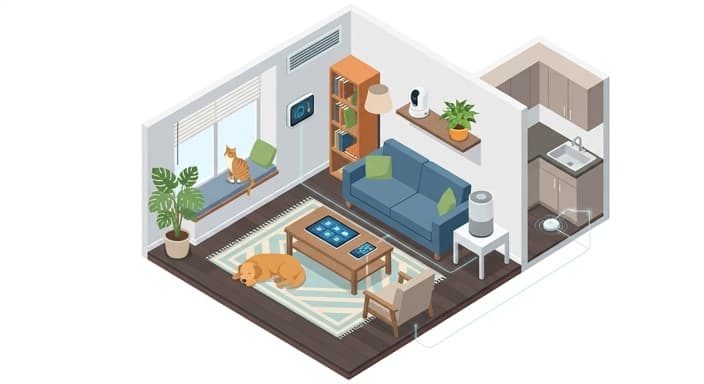
Smart sensors have transformed from novelty gadgets into life-saving tools. Today, we can install smart water leak detectors, air quality monitors, and integrated home security systems that speak directly to our smartphones. This connectivity allows us to bridge the distance between our workplace and our living rooms, ensuring that our pets are not just supervised, but truly protected by an infrastructure that monitors their environment 24/7.
Smart Environmental Controls: Protecting Against the Invisible
One of the most overlooked aspects of pet safety is the environmental envelope of the home. As a veterinarian, I treat far too many cases of heat exhaustion in pets who were left in homes where the HVAC system failed unexpectedly, or respiratory distress caused by undetected mold or poor air quality. We often assume that because we are comfortable, our pets are too, but small animals, senior pets, and those with underlying conditions are significantly more sensitive to fluctuations in heat, humidity, and air purity.
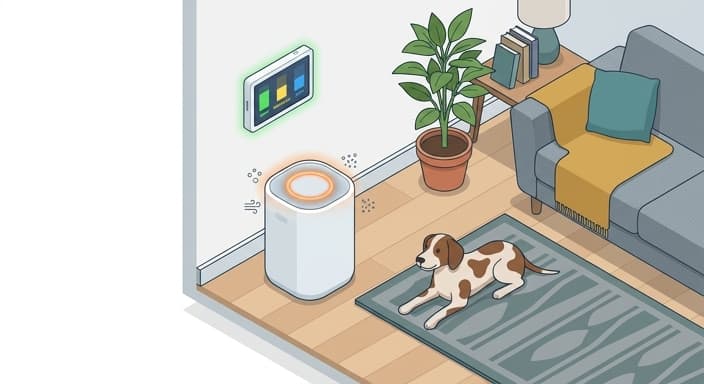
Smart thermostats and environmental monitors provide a crucial layer of defense. By setting up automated alerts, you can receive a notification if your home’s temperature spikes above a safe threshold or if humidity levels reach a point that could promote bacterial or fungal growth. Furthermore, smart air purifiers now come equipped with sensors that track particulate matter, volatile organic compounds (VOCs), and dander levels. These devices don’t just clean the air; they provide you with an objective report on the quality of the atmosphere your pet is breathing every day. When we integrate these systems, we shift from guessing if our home is safe to having empirical evidence that it is.
The Integrated Vision: Beyond Simple Surveillance
Many pet parents rely on simple indoor cameras, but the modern safety landscape demands more than just a livestream. We are seeing a shift toward "intelligent surveillance"—systems that utilize edge computing to distinguish between a pet playing, a pet in distress, and an unauthorized entry into the home. These cameras can now send specific push notifications based on behavior, such as detecting a repetitive "distress" bark or identifying when a pet is in a restricted area of the home, such as the laundry room or near the stove.
When selecting a camera system for pet safety, I always recommend prioritizing those with two-way audio and night vision capabilities. The ability to speak to your pet when they are anxious during a thunderstorm, or to check on them in the dark without turning on lights that might disrupt their circadian rhythm, is invaluable. More importantly, these cameras act as a visual lifeline during emergencies. If a fire alarm triggers or a security breach occurs, having high-definition visual access allows you to guide emergency responders or provide critical information to neighbors who might be able to assist.
Automated Hazard Mitigation: The "Smart" Kitchen and Utility Room
The kitchen is undoubtedly the most dangerous room in the house for a curious pet. From ingestion of toxic foods to the accidental activation of a gas or electric stovetop, the risks are manifold. Smart home tech has introduced sophisticated solutions to these problems, such as smart stove knobs that can be locked remotely or gas sensors that shut off the main supply if a leak is detected. These are not merely conveniences; they are significant safety upgrades that prevent common, yet life-threatening, household accidents.
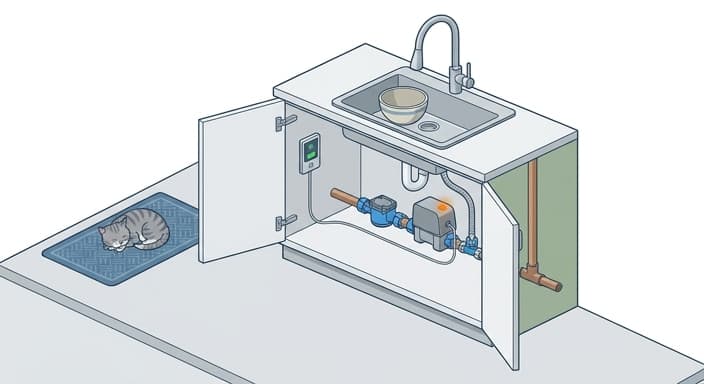
Similarly, we should consider smart water shut-off valves. If a pet accidentally knocks over a faucet or if a pipe bursts while you are away, these sensors can detect the flow of water and shut it down at the source, preventing both water damage and the potential for electrical shorts that could endanger a pet. By automating these hazard mitigations, we reduce the "human error" factor, creating a home that is inherently more resilient to the unpredictable nature of our companions.
Creating a Fail-Safe Infrastructure: Tips for the Tech-Savvy Parent
Integrating this technology requires a thoughtful approach. It is not enough to simply buy the gadgets; they must be implemented as part of a cohesive safety strategy. First, ensure your home network is robust and secure. A smart device is only as reliable as the Wi-Fi connection it runs on; consider a mesh network to ensure there are no "dead zones" where a sensor might fail to report an alert.
Second, I encourage pet parents to perform a "safety audit" every six months. Check the batteries in all your smart sensors, update the firmware on your cameras, and test your notification settings to ensure they are actually reaching your phone. It is also wise to have a backup plan—a trusted neighbor or family member who has access to your home and the ability to view your smart camera feed in the event of an emergency. This "human-tech hybrid" approach ensures that even if you are out of cell service or in a meeting, someone is always watching over your pet.
The Future of Proactive Pet Parenting
The integration of smart technology into our homes is not about replacing our intuition or our love for our pets; it is about providing us with the tools to express that love more effectively. As we continue to embrace the "connected home," we have the power to create environments that are not just comfortable, but genuinely secure. By monitoring our pets' environments and automating safety protocols, we are effectively shortening the time between a potential hazard and a resolution, ensuring that our homes remain the safe, nurturing sanctuaries our pets deserve. Technology is the modern guardian, working quietly in the background to ensure that your pet's life—and your peace of mind—remains undisturbed by the unforeseen.
Common Questions
🤔
Frequently Asked Questions
What is the core shift in pet safety when using smart home technology?▼
The core shift is from reactive precautions to a proactive, data-driven safety net that operates around the clock. Smart devices continuously monitor environmental factors and pet behavior, sending real-time alerts if something appears unsafe. This enables quick responses whether you are at home or away, turning safety into a preventative practice rather than a last-minute fix. The result is more predictable protection for pets in dynamic home environments.
Which smart devices are most impactful for protecting pets' environment?▼
Smart thermostats and environmental sensors help maintain safe temperatures and humidity, reducing risks like heat exhaustion and mold growth. Air quality monitors and smart purifiers provide ongoing data and filtration for particulates and VOCs. Water leak detectors catch problems before damage or stress occurs, and integrated systems synchronize alerts across devices. Together, these tools create an coordinated protective envelope around your pet.
How do intelligent surveillance systems improve pet safety beyond video feeds?▼
Edge computing enables cameras to analyze footage locally and distinguish between normal pet activity and distress signals or intrusions. Behavior-based alerts, such as detecting distress sounds or when a pet is in a restricted area, help you respond promptly. Two-way audio lets you check in or calm a pet remotely, and night vision ensures visibility in low light so hazards aren’t missed.
What features should I prioritize when selecting smart safety gear for pets?▼
Prioritize devices with two-way audio, reliable night vision, and timely, actionable alerts delivered to your phone. Look for strong privacy controls and data security, since these systems collect sensitive information about your home. Ensure the setup works with other devices you own and offers straightforward installation and good support. Consider guidance from veterinarians to ensure the tech aligns with real-world pet safety needs.