Blog4/6/2026
Smart GPS Collars for Pet Safety: Real-Time Location & Health
6 mins Read
The Briefing
Quick takeaways for the curious
Real-time GPS collars shift pet safety from reactive searches to proactive containment, shrinking the time-to-recovery during escapes.
While microchips identify a pet after they’re found, GPS collars actively locate them in real time as they wander, dramatically improving chances of a timely reunion.
Modern smart collars double as biometric monitors, tracking activity, sleep, and other cues to flag health or well-being changes before symptoms appear.
The reliability of GPS safety hinges on connectivity: cellular GPS offers the broadest coverage, Bluetooth is limited, and RF can help in remote areas without cellular service but requires extra gear.
Geofencing and proactive alerts turn data into action, enabling owners to intervene early and maintain a high baseline of pet safety.
There is a persistent, outdated myth in the canine and feline wellness community that a pet’s safety is solely dependent on the strength of a leash or the height of a backyard fence, leading many owners to believe that a "lost pet" flyer is the only recourse for an escaped companion. As a veterinarian consultant, I frequently speak with devoted pet parents who view their pet’s sudden dash for an open door or a stray squirrel as an unpredictable misfortune, failing to realize that we now live in an era where technology can bridge the gap between panic and peace of mind. We are finally moving toward a more sophisticated, proactive standard of pet security that leverages real-time GPS tracking not as a last-ditch effort for recovery, but as a foundational pillar of modern pet ownership, effectively closing the gap between basic containment and the tetherless, data-driven safety our pets deserve.
The Biological Reality of the "Flight Response"
To understand why GPS technology is a non-negotiable upgrade for the modern pet, we must first look at the biological reality of the animal instinct. Whether it is a dog driven by high prey drive or a cat startled by a sudden, localized sound, the flight response is hardwired into their nervous system. When a pet enters a state of high arousal or fear, their cognitive ability to respond to commands like "come" or "stay" is drastically diminished as their sympathetic nervous system takes over. In a younger, high-energy pet, this instinct can override years of training in a matter of seconds. Relying solely on microchips—which are essential for identification but lack the active, real-time location capabilities of GPS—is a reactive approach. While a microchip can reunite a pet once they are found and scanned by a vet or shelter, a GPS collar provides the actionable intelligence required to locate your pet while they are still in motion, significantly reducing the "time-to-recovery" window.
Beyond Location: The Rise of Biometric Monitoring
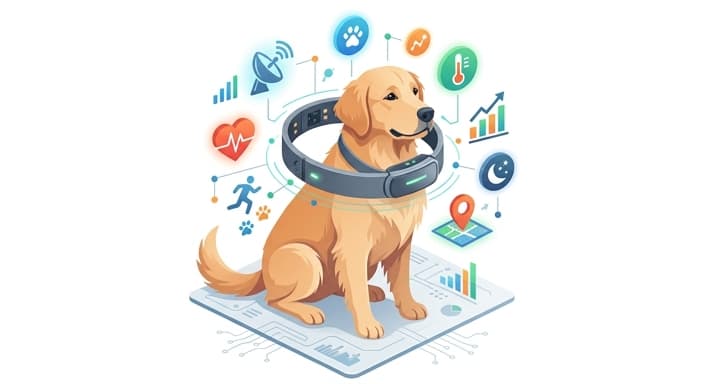
The evolution of smart collars has moved well beyond simple coordinates on a map. Today’s sophisticated hardware acts as a wearable health monitor, providing a continuous stream of data that can alert owners to subtle changes in their pet’s well-being. By tracking activity levels, sleep quality, and even scratching frequency, these devices function as an early-warning system for a veterinarian. If a dog is suddenly sedentary or a cat is spending an unusual amount of time pacing at night, the collar’s data can often flag these behavioral shifts long before a physical symptom becomes apparent during a routine exam. This integration of GPS and biometrics allows us to transition from "guessing" how our pets are doing to making informed, data-backed decisions about their daily health and safety.
Evaluating Connectivity: Cellular vs. Bluetooth vs. Radio Frequency
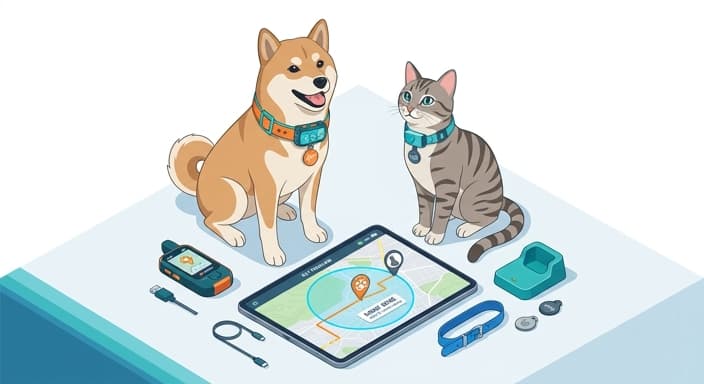
When selecting a smart collar, the most critical decision involves the underlying technology used to transmit data. It is a common mistake for pet owners to assume all "trackers" function identically. Bluetooth-based trackers, for instance, are excellent for finding keys in your house but are virtually useless for a pet that has bolted across a neighborhood, as their range is severely limited. For true safety, a cellular-enabled GPS collar—which utilizes a subscription-based connection to the same networks as our smartphones—is the gold standard. These devices provide near-instantaneous updates regardless of distance, provided there is cellular coverage. For those living in remote or rural areas where cell service is spotty, radio frequency (RF) trackers can be a lifesaver, as they do not rely on local infrastructure, though they usually require a handheld receiver to pinpoint the signal. Understanding your local environment is the first step in ensuring your pet’s collar will actually work when you need it most.
The Importance of Geofencing and Proactive Alerts
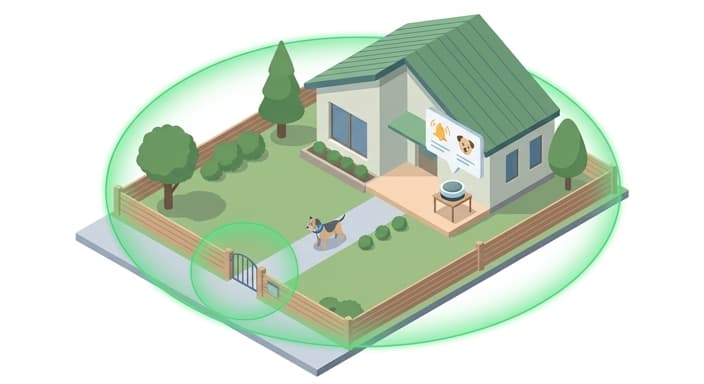
One of the most powerful features of modern smart collars is the ability to create "virtual fences" or geofences. This feature allows you to draw a digital perimeter around your home, yard, or a favorite park using the companion app. The moment your pet crosses this invisible boundary, you receive an immediate alert on your smartphone. This shifts the dynamic of pet safety from "finding" to "preventing." By receiving a notification the exact second a gate is left unlatched or a fence board gives way, you can intercept your pet before they reach a busy road or stray too far into unknown territory. I always advise my clients to set up multiple geofences for common locations they visit, ensuring that whether you are at home or at a vacation rental, you have a digital tether that alerts you to unauthorized excursions.
Designing a Safety Routine That Sticks
Technology is only as effective as the human using it. The most common pitfall I see in my practice is the "set it and forget it" mentality. A GPS collar is a tool, not a miracle cure, and it requires a consistent maintenance routine to be effective. First, battery management is paramount; I suggest creating a charging schedule that aligns with your pet’s quietest hours, such as when they are sleeping at your feet during your own work hours. Second, ensure that the collar is fitted correctly—snug enough to prevent the device from swinging or getting caught on obstacles, but loose enough to avoid skin irritation or discomfort. Finally, conduct a "test drive." Once a month, take your pet on a walk with the app open to verify that the tracking accuracy is calibrated correctly and that the notifications are pushing through to your device without delay. By treating the smart collar as an essential piece of equipment—much like a leash or harness—you turn a piece of technology into a reliable safety net.
Navigating the Future of Pet Safety
As we look toward the future, the integration of smart collars into the standard pet care regimen represents a major leap forward in how we protect our companions. We are moving away from the era of "hope-based" safety and into an era of "evidence-based" security. Whether you are a city dweller navigating dense urban traffic or a country resident managing a large property, these devices offer an objective layer of protection that no amount of training or intuition can fully replicate. By combining the proactive surveillance of GPS tracking with the granular health data provided by modern sensors, we are giving our pets a voice when they cannot speak for themselves. The investment in a high-quality smart collar is, ultimately, an investment in the peace of mind that allows you to enjoy the bond with your pet, knowing that you have done everything in your power to keep them safe, healthy, and by your side for years to come.
Common Questions
🤔
Frequently Asked Questions
How do GPS collars improve safety compared to traditional leashes or microchips?▼
GPS collars provide real-time location data, turning a moment of panic into a trackable trajectory rather than a lost-pet flyer. They complement identification microchips by enabling you to locate your pet while they are still moving, reducing the time between escape and recovery. This active monitoring makes safety a proactive feature of everyday pet care rather than a reactive afterthought.
What is the difference between cellular GPS, Bluetooth, and RF trackers?▼
Cellular GPS collars use a subscription to networked services, delivering near-instant updates regardless of distance as long as there is cell coverage. Bluetooth trackers are great for nearby item tracking but fall short for a wandering pet, since their range is limited by distance and obstacles. RF trackers can work where cellular signals are weak, but typically require a handheld receiver and more setup.
How does biometric monitoring in smart collars work and what can it indicate?▼
Biometric monitoring in smart collars collects data on activity, sleep patterns, and even scratching or pacing. This continuous stream can alert you to subtle shifts in well-being before a vet would detect a problem in a routine exam. It shifts pet care from reactive to proactive by guiding timely health consults and adjustments.
What should I consider when choosing a GPS collar for my pet?▼
Consider durability, battery life, fit, and weight to match your pet's size and behavior. Evaluate connectivity needs: cellular GPS with a reasonable plan generally offers the broadest safety net, while Bluetooth or RF may be better in limited environments but with trade-offs. Also assess price, data privacy, and features like geofencing, alerts, and app usability to ensure you’ll actually use the device.