Blog3/10/2026
Signs Your Indoor Cat Is Unhappy: Vet-Backed Mental Health Tips
7 mins Read

The Briefing
Quick takeaways for the curious
Indoor cats are descendants of hunters who require regular mental and physical activity, so without opportunities to express instinctive behaviors in a constrained space they can develop boredom and stress that harms their wellbeing.
The indoor environment removes many natural challenges cats would have in the wild, making enrichment especially important for high‑energy, high‑intelligence breeds like the Abyssinian, Bengal, and Siamese to prevent indoor blues.
Red flags of distress include psychogenic alopecia from compulsive over‑grooming and shifts in daily routines, which often signal under‑stimulation, anxiety, or discomfort rather than simple misbehavior.
Effective enrichment—vertical space, interactive toys, puzzle feeders, and structured play—recreates hunting opportunities and supports cognitive health, reducing stress and promoting happiness.
Understanding each cat’s needs and consulting a veterinarian when signs persist helps tailor enrichment plans so an indoor cat can flourish instead of merely survive.
Title: Signs Your Indoor Cat Is Unhappy: A Veterinarian’s Guide to Feline Mental Health
Life with an indoor cat offers a unique sense of security and companionship, yet the four walls of our homes can sometimes become a "gilded cage" if we overlook the complex emotional needs of our feline friends. While staying indoors protects cats from traffic and predators, it also removes the dynamic challenges of the wild, making it our responsibility to recognize the subtle whispers of a cat who is bored, stressed, or lonely. By learning to decode the silent language of feline discontent, we can transform our living spaces into thriving sanctuaries where our cats don't just survive, but truly flourish.
The Evolutionary Gap: From Desert Hunter to Apartment Dweller
To understand why an indoor cat might be unhappy, we must first look at their biological blueprint. Our modern domestic cats are descendants of the African Wildcat (Felis lybica), a solitary predator that spends its waking hours patrolling large territories and hunting small prey. In the wild, a cat might engage in 10 to 20 "micro-hunts" every day. When we transition this apex predator into a 700-square-foot apartment, we effectively remove their primary job description.
Historically, the concept of the "strictly indoor cat" is a relatively recent phenomenon. It wasn't until the invention of clay kitty litter by Edward Lowe in 1947 that keeping cats indoors became a convenient reality for the masses. Before this, cats were largely "in-and-out" animals that managed their own mental stimulation through outdoor exploration. Today, while we prioritize safety, we often forget that the feline brain is still hardwired for the hunt. Breeds with high intelligence and high energy, such as the Abyssinian, Bengal, and Siamese, are particularly prone to "indoor blues" because their metabolic and mental needs are so much higher than the average domestic shorthair. When these needs aren't met, the cat’s frustration manifests in behaviors that owners often mistake for "naughtiness" or "spite."
Decoding the Red Flags: Behavioral Signs of Distress
Cats are masters of disguise when it comes to their feelings. In the wild, showing weakness or visible distress could make them vulnerable to larger predators. Therefore, an unhappy indoor cat rarely "cries for help" in a way that is immediately obvious to humans. Instead, we see shifts in their daily routines.
One of the most common signs of a bored or stressed cat is psychogenic alopecia, or compulsive over-grooming. If you notice your cat thinning the fur on their belly or legs to the point of bald patches, they may be using grooming as a self-soothing mechanism to cope with anxiety or a lack of stimulation. Similarly, hyper-vocalization—especially late at night—is often a sign that a cat has "pent-up" predatory energy with no outlet.
Another significant red flag is inappropriate elimination. As a veterinarian, I often tell clients that a cat who stops using the litter box isn't trying to get revenge for your long work hours; they are communicating a profound level of stress. This can manifest as idiopathic cystitis, a painful inflammation of the bladder triggered by environmental stress. If your cat is urinating on your bed or the rug, they are likely trying to mix their scent with yours to feel more secure in a space they perceive as threatening or unfulfilling.
The Lethargy Trap: Is Your Cat Lazy or Depressed?
Many owners believe that a cat who sleeps 20 hours a day is simply a "chill" pet. While cats do sleep significantly more than humans, there is a fine line between healthy rest and clinical lethargy. An unhappy indoor cat may "shut down" because their environment offers zero novelty. If your cat no longer greets you at the door, shows no interest in the sound of the treat bag, or has stopped grooming themselves entirely, they may be experiencing a feline version of depression.
We also see this manifest as overeating. In an environment devoid of toys, climbing structures, or social interaction, food becomes the only source of dopamine. This leads to the "boredom-obesity cycle," where the cat eats because they are bored, becomes too heavy to jump and play, and then becomes even more depressed due to their physical limitations. Pay close attention to your cat's body condition score. A sudden interest in food as a primary activity is often a sign that the cat lacks other forms of enrichment.
Environmental Enrichment: Re-wilding the Living Room
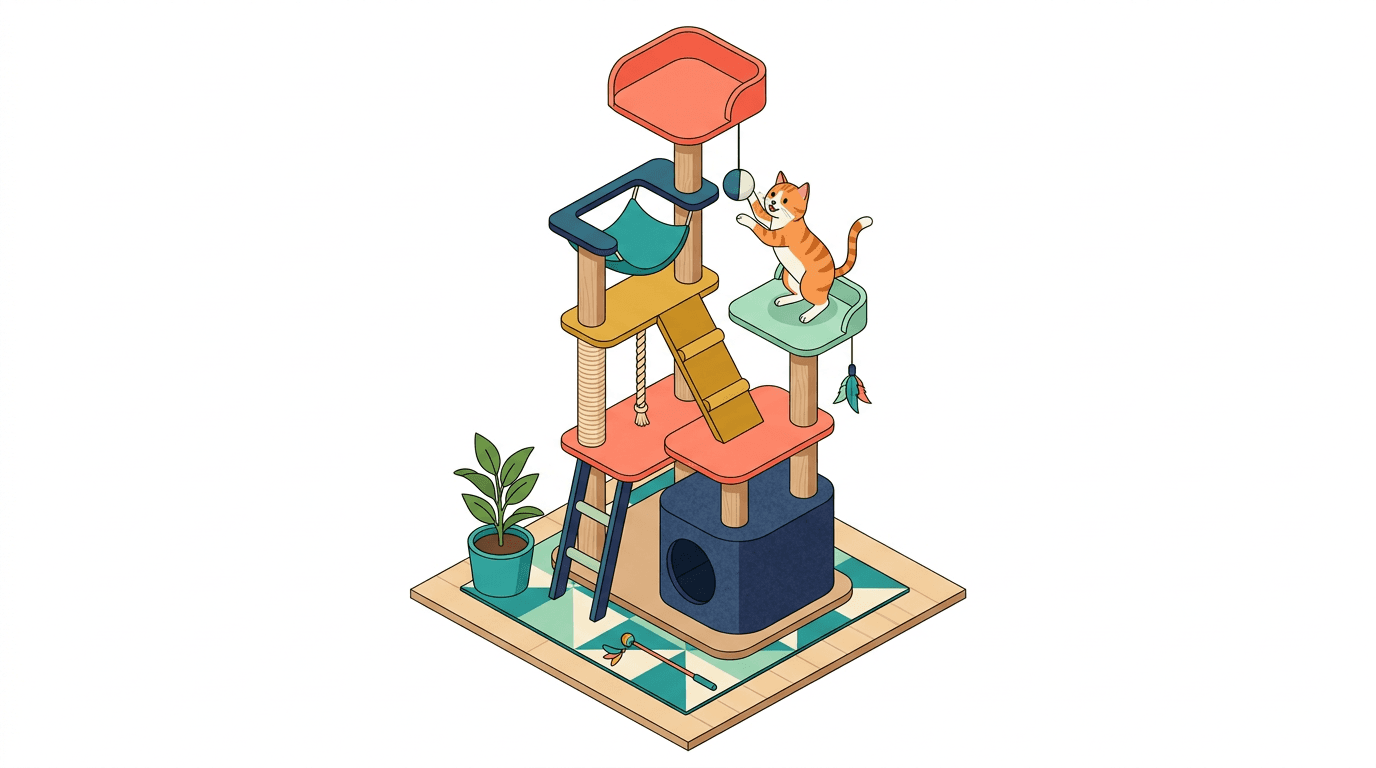
The good news is that feline unhappiness is often reversible through thoughtful environmental modification. We must think vertically. Cats view the world in three dimensions; for a cat, a room without a high perch is like a room without a floor. Installing cat trees, wall-mounted shelves, or even clearing off the top of a bookshelf can instantly double a cat’s perceived territory.
Sensory enrichment is also vital. Consider the following strategies to stimulate their dormant instincts:
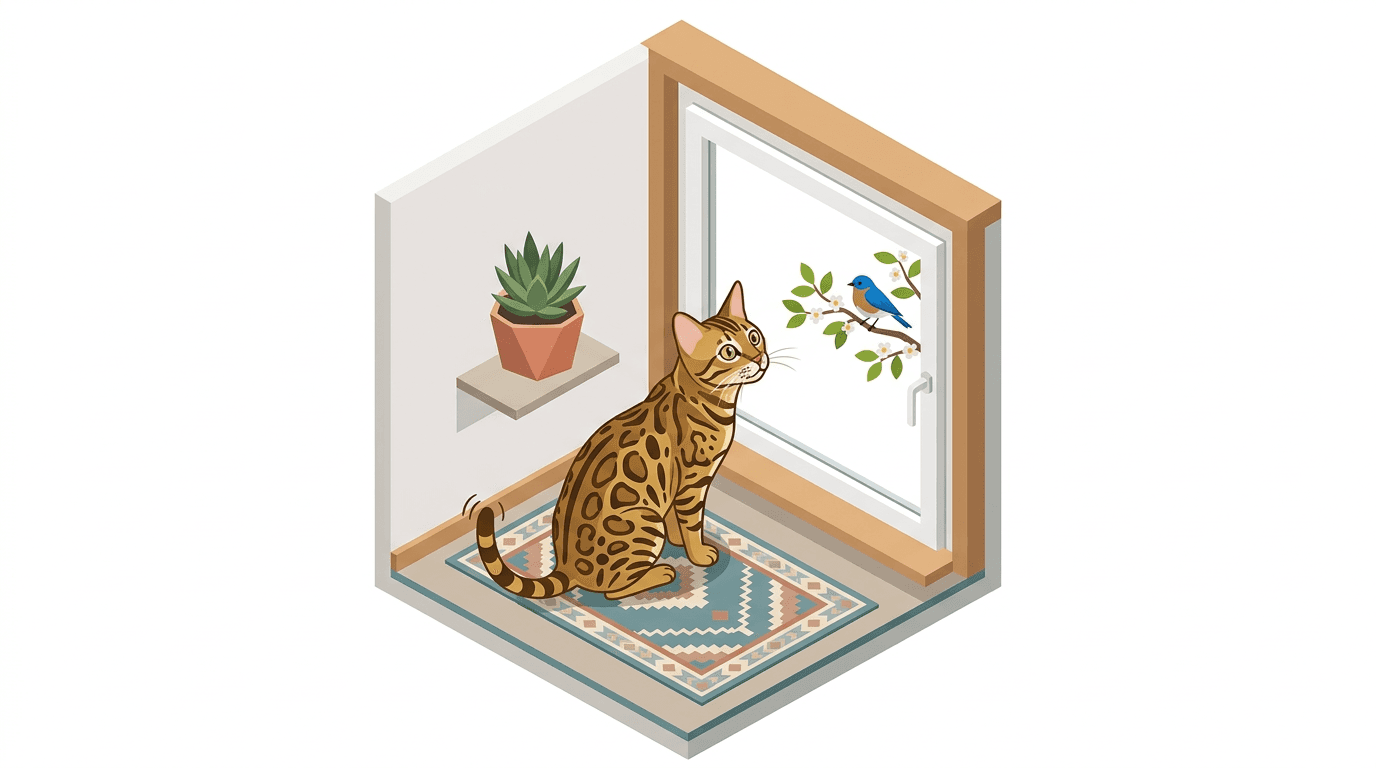
- Visual Stimulation: Place a bird feeder outside a window where your cat can watch "Cat TV" safely.
- Olfactory Exploration: Bring the outdoors in by providing cat-safe plants like silver vine, catnip, or even a tray of organic wheatgrass (cat grass) for them to nibble on.
- The Hunt-Catch-Kill-Eat Cycle: Instead of "free-feeding" from a bowl, use puzzle feeders. This forces the cat to use their paws and brain to earn their meal, mimicking the effort of a hunt.
When playing with your cat, use wand toys to mimic the movement of prey—darting away, hiding behind furniture, and fluttering. End the play session by giving them a small meal or treat so they can complete the biological cycle of "killing" and "eating" their prey. This provides a massive neurological reward that calms the feline nervous system.
When It’s Not Just "Boredom": The Health Connection
As a veterinarian, I must emphasize that behavioral changes can often mask underlying medical issues. Before assuming your cat is simply unhappy with their toy selection, it is crucial to rule out pain. Osteoarthritis is a chronically underdiagnosed condition in indoor cats. If a cat stops jumping onto their favorite counter, it might not be because they’ve "matured"—it might be because their joints hurt.
Similarly, dental disease or metabolic issues like hyperthyroidism can cause irritability and changes in social behavior. Always consult your veterinarian if you notice a sudden shift in personality. Once health issues are ruled out, we can look at pheromone therapy. Products like Feliway, which mimic the "happy markers" cats leave when they rub their cheeks on furniture, can significantly lower the ambient stress levels in a multi-cat household or for a cat prone to anxiety.
Key Takeaways for a Happy Indoor Cat
- Respect the Heritage: Understand that even the cuddliest lap cat is a biological predator that needs a "job" (hunting-style play).
- Monitor Grooming and Litter Habits: Over-grooming and accidents outside the box are primary indicators of feline stress.
- Go Vertical: Increase your cat’s territory by providing high perches and climbing opportunities.
- Ditch the Bowl: Use puzzle feeders to engage their brain during mealtime and prevent boredom-induced obesity.
- Rule Out Pain: Behavioral changes in older cats are often linked to hidden physical discomfort like arthritis.
- Quality Over Quantity: Just 15 minutes of dedicated, interactive play per day can drastically improve a cat’s mental health.
A Bond Built on Understanding
At the end of the day, our cats give us so much more than they ask for. They offer us a quiet, purring presence during our loneliest moments and a spark of wild beauty in our structured lives. By taking the time to truly see the world through their eyes—acknowledging their needs for height, the hunt, and a sense of security—we honor the ancient bond between our species. An indoor life doesn't have to be a limited life; with a little creativity and a lot of love, your home can be the most exciting jungle your cat has ever known. Through this commitment to their well-being, we don't just become better pet owners—we become the guardians of their happiness.
Common Questions
🤔
Frequently Asked Questions
What are the most common signs that an indoor cat is unhappy?▼
Unhappy indoor cats rarely vocalize distress in obvious ways. More commonly, you may notice shifts in daily routines—reduced activity, less interest in play, or changes in sleep patterns. Psychogenic alopecia, or compulsive over-grooming, is a frequent physical sign as cats stress-relieve through grooming. Subtle cues like heightened hiding, avoidance of interaction, or unusual clustering can also indicate unhappiness.
Why do high-energy breeds seem more prone to indoor blues?▼
Breeds such as Abyssinian, Bengal, and Siamese are highly intelligent and energetic, so their mental and physical needs are higher than the average domestic cat. When kept indoors with limited hunting or exploration opportunities, they can become bored and frustrated more quickly. This frustration can show up as stress-related behaviors or apparent unhappiness. Enrichment tailored to their needs helps reduce this risk.
What practical steps can I take to enrich an indoor cat's environment?▼
Create a multi-layered habitat with vertical space like cat trees or window perches to simulate territory exploration. Use interactive toys, puzzle feeders, and treat-dispensing toys that encourage problem-solving and hunting-like play. Schedule regular play sessions that mirror hunting bursts, and rotate toys to maintain novelty. If possible, provide safe outdoor-style stimulation via window views, leash walking, or enclosed outdoor enclosures.
When should I consult a veterinarian about an unhappy indoor cat?▼
If you notice sudden or persistent mood or behavior changes, especially new compulsive grooming, weight changes, or persistent withdrawal, seek veterinary evaluation to rule out medical issues. A veterinarian can assess mental health, guide behavior-based enrichment, and tailor a plan to your cat’s needs. If signs persist despite enrichment, consult a professional promptly to ensure there isn’t an underlying health problem.