Blog6/21/2026
Senior Pet Hydrotherapy for Gentle Mobility and Comfort
6 mins Read
The Briefing
Quick takeaways for the curious
Hydrotherapy provides a low-impact, strength-building option for senior pets with mobility issues by using water to reduce joint load and pain.
Buoyancy acts like an anti-gravity aid, allowing painful joints to move through a greater range of motion with less stress.
Hydrostatic pressure helps reduce limb swelling, improving comfort and enabling more effective movement during therapy.
Warm water, typically 85-92°F, promotes vasodilation and muscle relaxation, preparing the body for exercise and enhancing tissue flexibility.
Professional oversight by a certified canine rehabilitation therapist ensures therapy is biomechanically correct and tailored to each pet’s needs, using adjustable water depth and equipment such as underwater treadmills.
The sight of a senior dog hesitating at the edge of a pool or a cat tentatively stepping into a warm bath may seem unusual, but for those of us in the veterinary field, it represents one of the most effective therapeutic frontiers in geriatric care. As a veterinarian consultant here at MofuDaily, I have seen firsthand how the healing properties of water can transform the quality of life for pets suffering from chronic mobility issues. Hydrotherapy is far more than just "swimming"; it is a sophisticated, low-impact exercise modality that unlocks movement for pets who can no longer comfortably navigate the pressures of land-based activity.
The Physics of Relief: Why Water Changes Everything
To understand why hydrotherapy is so transformative, we must consider the two primary physical properties of water: buoyancy and hydrostatic pressure. For a senior pet suffering from osteoarthritis, hip dysplasia, or recovery from orthopedic surgery, gravity is the constant enemy. Every step on solid ground sends a shockwave through compromised joints, causing pain and inflammation. When a pet enters a hydrotherapy pool or underwater treadmill, buoyancy acts as a natural anti-gravity agent, supporting the pet’s weight and significantly reducing the load on painful, arthritic joints.
Simultaneously, hydrostatic pressure—the gentle, uniform pressure exerted by water against the body—acts like a natural compression garment. This pressure helps reduce peripheral edema, or fluid swelling, in the limbs, which is a common source of discomfort in senior dogs. By alleviating the weight-bearing burden and reducing inflammation simultaneously, hydrotherapy allows a senior pet to engage in a range of motion that would be physically impossible on dry land. It is essentially "exercise without the ache," allowing weakened muscles to be conditioned without the high-impact stress that typically exacerbates joint pain.
Hydrotherapy vs. Swimming: The Importance of Professional Guidance
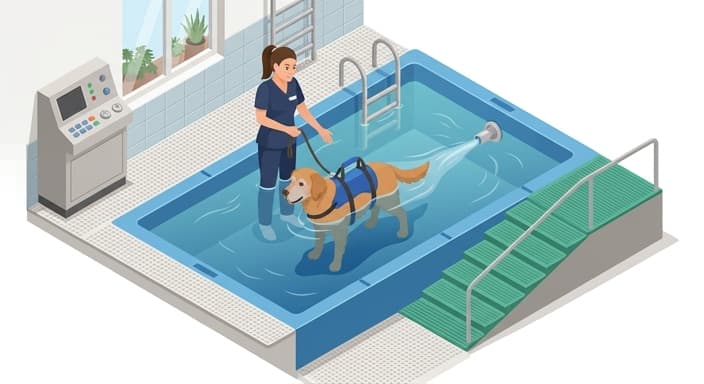
It is a common misconception that simply letting a pet jump into a lake or a backyard pool constitutes effective hydrotherapy. While a dip in the lake is fun for a healthy, young dog, it can be dangerous for a senior pet with mobility limitations. Professional hydrotherapy is performed in a controlled environment, such as a specialized canine pool or an underwater treadmill, where the water temperature is kept warm (usually between 85°F and 92°F). Warm water is crucial because it promotes vasodilation—the widening of blood vessels—which increases blood flow to stiff muscles and joints, further reducing pain and increasing tissue elasticity before the exercise begins.
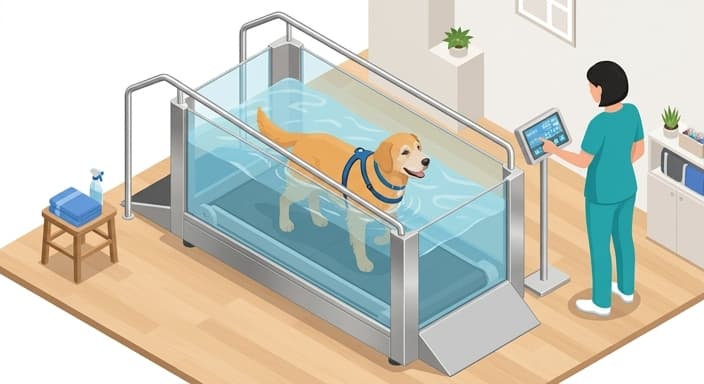
Furthermore, a certified canine rehabilitation therapist (CCRT) works with the pet to ensure their movement is biomechanically correct. In an underwater treadmill, the therapist can adjust water depth to control the level of buoyancy. For a pet with severe arthritis, the water might be set higher to provide maximum support, whereas a pet in the later stages of rehabilitation might have the water level lowered to encourage more weight-bearing and muscle strengthening. This level of precision ensures that we are not just moving the body, but specifically targeting the muscle groups that have atrophied due to inactivity.
Managing Sarcopenia and Building Core Stability
One of the most significant hurdles in senior pet mobility is sarcopenia, the loss of muscle mass that often accompanies aging. When a pet feels pain, they move less; when they move less, they lose muscle; when they lose muscle, their joints become even less stable, creating a vicious cycle of decline. Hydrotherapy is the most effective tool we have to break this cycle. Because the water provides resistance in all directions, every movement becomes a strength-training exercise.
When a pet moves through water, they are forced to engage their core stabilizers—the deep muscles along the spine and abdomen—to maintain balance. This is vital for senior pets who have lost their "proprioception," or their internal awareness of where their limbs are in space. Strengthening these core muscles provides the support the skeletal system no longer can. As the core strengthens, the pet gains confidence, their gait becomes more fluid, and they are much less likely to suffer from the slips and falls that often lead to catastrophic fractures or soft tissue injuries in the home environment.
Integrating Hydrotherapy into a Holistic Pain Management Plan
Hydrotherapy should never be viewed as a standalone "cure," but rather as a pillar of a comprehensive multimodal pain management strategy. For the best results, it should be integrated with other veterinary treatments, such as weight management, targeted nutraceuticals (like Omega-3 fatty acids and glucosamine/chondroitin), and appropriate pain medication or anti-inflammatory protocols. I always tell my clients that hydrotherapy acts as the "rehab engine" that keeps the joints mobile, while other treatments manage the background inflammation.
If you are considering hydrotherapy for your companion, the first step is a consultation with your veterinarian to rule out any conditions that might make water therapy inappropriate, such as severe heart disease or open wounds. Once cleared, seek out a facility that employs certified professionals. You will likely notice that after a few sessions, your pet is not just walking better, but acting younger. The mental stimulation of the water, combined with the physical relief of weightlessness, often results in a "post-rehab glow" that can improve a senior pet’s mood and overall zest for life.
Creating a Home-Based Maintenance Routine
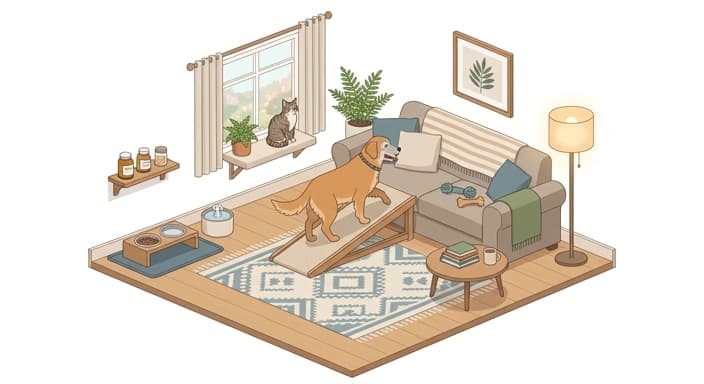
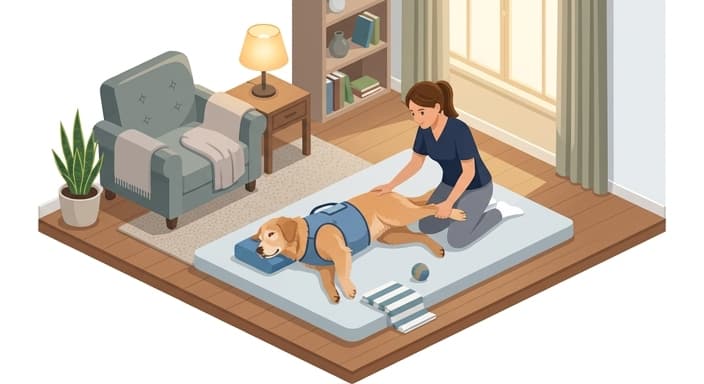
While professional sessions provide the heavy lifting of rehab, there is much you can do at home to support your pet’s mobility between visits. Gentle range-of-motion exercises—such as passive flexion and extension of the limbs while your pet is lying comfortably on a soft mat—can help maintain the flexibility gained during hydrotherapy sessions. Always ensure your pet has non-slip surfaces throughout the home; yoga mats or rubber-backed rugs placed in high-traffic areas are simple, inexpensive ways to prevent the slips that undo the progress made in the pool.
Finally, keep a "mobility log." Note how your pet navigates stairs, how they rise from a lying position, and their willingness to go for walks. These observations are incredibly valuable for your rehabilitation team. Remember, the goal of hydrotherapy is to preserve your pet’s independence. By proactively managing their mobility, you are choosing to provide them with the gift of autonomy, ensuring that their golden years are defined not by what they can no longer do, but by the comfort and confidence they feel every single day.
Senior pet mobility is a journey that requires patience, observation, and a willingness to explore new therapeutic avenues. Hydrotherapy stands out as a compassionate, highly effective way to alleviate the burdens of aging, allowing our companions to remain active participants in our lives for as long as possible. By combining the natural healing properties of water with expert guidance and a loving home environment, we can help our senior pets move with the ease and dignity they have earned through a lifetime of loyalty.
Common Questions
🤔
Frequently Asked Questions
What is hydrotherapy and why is it valuable for senior pets?▼
Hydrotherapy is a controlled, water-based exercise program designed to improve mobility and muscle strength while minimizing joint pain. In a clinical setting, pets may swim or walk on an underwater treadmill under the supervision of a trained therapist, with temperature-controlled water. This environment reduces impact on arthritic joints and allows movements that may be painful on land. Over time, many seniors show better range of motion, improved stamina, and greater willingness to be active.
How do buoyancy and hydrostatic pressure aid in rehabilitation?▼
Buoyancy reduces body weight bearing, letting joints move with less load, which is especially helpful for hips, knees, and spines. Hydrostatic pressure helps move fluid from the limbs, reducing swelling and improving comfort during exercise. The combination enables safer, more effective movements and muscle engagement that are difficult to achieve on land.
Why is professional supervision essential in hydrotherapy?▼
Working with a certified canine rehabilitation therapist ensures the program is tailored, progressive, and biomechanically correct. Therapists adjust water depth, temperature, and duration to match the pet’s condition and response to therapy. They monitor form and signs of fatigue or pain to prevent overexertion and maximize benefit.
How can hydrotherapy be incorporated into a senior pet's care plan, and what should owners expect in terms of progress?▼
Owners can expect a structured plan that may include frequency and progression of sessions. Progress is measured by gait quality, range of motion, pain signals, and activity tolerance. Some pets require weeks to months of therapy, with home exercises to maintain gains. Regular veterinary check-ins help adjust goals and ensure continued improvement.