Blog6/18/2026
Seasonal Grooming Tips for Double-Coated Breeds Year-Round
6 mins Read
The Briefing
Quick takeaways for the curious
Double-coated breeds have a two-part coat that insulates and protects skin, and shaving them disrupts this natural cooling system.
Seasonal grooming is essential to maintain temperature regulation, skin health, and comfort as the coat transitions between states.
Spring and autumn 'blow' periods require proactive line brushing and sometimes a high-velocity dryer to prevent mats and hot spots.
In summer, focus on ventilation by thinning the undercoat, frequent gentle combing, and keeping paw fur trimmed to reduce heat and debris buildup.
Winter care centers on managing dryness and protecting against de-icing salts to preserve skin and coat integrity.
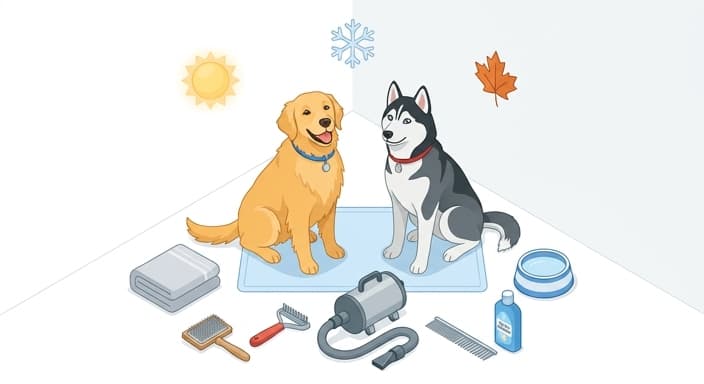
The sight of a Golden Retriever or a Siberian Husky basking in the sun is a hallmark of a happy pet, but for those of us who share our homes with double-coated breeds, that luxurious fur is more than just a beautiful aesthetic. As a veterinarian consultant here at MofuDaily, I frequently see the challenges that come with managing these complex coats, especially as the seasons shift and our pets’ physiological needs change to adapt to the environment.
Understanding that a double coat is a highly evolved, dual-layered cooling and heating system is the first step in moving away from the common—and often harmful—myth that shaving these dogs is an act of kindness. By adopting a proactive, season-specific grooming strategy, we can help our pets maintain their natural temperature regulation, skin integrity, and overall comfort throughout the year.
The Anatomy of the Double Coat: More Than Just Fluff
To provide effective grooming, we must understand what lies beneath the surface. Double-coated breeds, such as Newfoundlands, Border Collies, and Akitas, possess a two-part system: a soft, dense undercoat that acts as an insulator, and a longer, tougher set of guard hairs that repel water and shield the skin from dirt and UV rays.
In the winter, this undercoat thickens to trap heat, keeping the pet warm in freezing temperatures. During the spring and summer, the dog "blows" their coat—a natural process of shedding that dense, insulating layer to make room for air circulation. When we neglect this process or, worse, shave these dogs, we strip them of their natural air conditioning. Shaving destroys the insulating properties of the coat and exposes the skin to the direct, harsh rays of the sun, significantly increasing the risk of sunburn and heatstroke. Proper grooming is not about removing the coat; it is about managing the transition between these seasonal states.
Spring and Autumn: Managing the "Blow"
Twice a year, your home likely becomes a testament to your pet’s shedding prowess. This transition, driven by changes in daylight hours (photoperiodism), is the most critical time for a grooming regimen. During these "blow" periods, the dead undercoat can become trapped against the skin, creating mats that act like heavy, felted wool sweaters. These mats trap moisture, prevent air from reaching the skin, and can lead to painful hot spots or secondary bacterial infections.
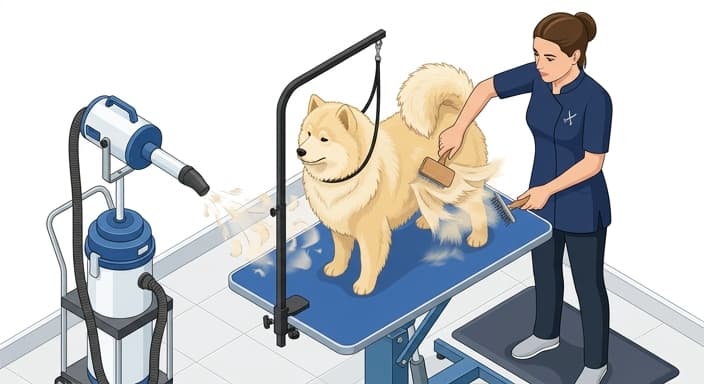
To manage this, I recommend a routine of "line brushing." Instead of simply brushing the surface, use a slicker brush or an undercoat rake to part the fur in sections, starting from the belly and working your way up. This ensures you are reaching the base of the hair where the shedding is most intense. Using a high-velocity dryer—if your dog is acclimated to it—can also be an incredibly effective way to blow out loose hair before it ever has the chance to mat.
Summer Grooming: Ventilation and Hydration
As temperatures rise, our primary goal is to facilitate airflow. Many owners believe that a shorter coat keeps a dog cooler, but in reality, the guard hairs are what protect the dog from overheating. By keeping the undercoat thinned out, you allow the breeze to reach the skin, which is the dog’s natural way of cooling down.
During the summer, focus your grooming efforts on frequent, gentle combing to remove any lingering dead hair. This is also the perfect time to pay closer attention to your dog's paws. The fur between the pads of a double-coated breed can become long and matted, which collects debris and burrs that can cause significant discomfort. Keeping the paw pads trimmed and the "feathers" (the long hair on the legs and tail) brushed prevents the buildup of heat and moisture. Remember, hydration is the internal partner to external grooming; a well-hydrated dog has healthier, more elastic skin, which makes the grooming process much less irritating for them.
Winter Care: The Battle Against Dryness and De-icing Salts
Winter brings a unique set of challenges. While the coat is doing its job of keeping the dog warm, the indoor environment—often characterized by low humidity due to central heating—can dry out your pet’s skin. This can lead to increased dander and itching. During the winter, you may find that you need to brush less frequently, but you must be more diligent about checking for "ice balls" between the toes if your dog enjoys the snow.
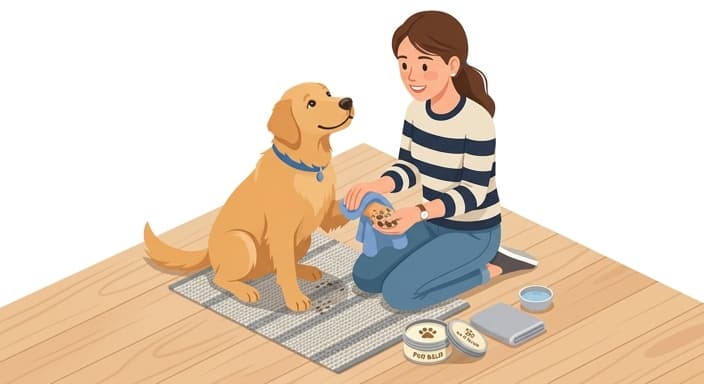
Furthermore, if you live in an area where sidewalk salt or de-icing chemicals are used, these substances can be extremely caustic to your dog’s paw pads and the hair surrounding them. After every winter walk, take a moment to wipe your dog’s paws with a warm, damp cloth. If you see signs of redness or cracking, a pet-safe paw balm can provide a necessary barrier against the harsh elements.
The Role of Nutrition in Coat Health
As a veterinarian, I often remind my clients that the skin and coat are a reflection of internal health. No amount of brushing can compensate for a diet that lacks the essential fatty acids necessary for a healthy skin barrier. Double-coated breeds require high-quality protein to support the constant growth and shedding of their complex hair cycle.
Omega-3 fatty acids, particularly EPA and DHA found in high-quality fish oils, are foundational for reducing inflammation and maintaining the luster of the guard hairs. If you notice your dog’s coat becoming brittle or if they are shedding excessively outside of the standard seasonal windows, it may be a sign of a nutritional deficit or an underlying endocrine issue. Incorporating a veterinarian-approved supplement or ensuring a diet rich in bioavailable nutrients can make the grooming process much more productive, as healthy hair is inherently more resistant to matting and breakage.
Creating a Positive Grooming Ritual
Ultimately, grooming should be a bonding experience, not a chore that leaves both you and your pet feeling stressed. For double-coated breeds, the sheer volume of fur can be overwhelming, so I suggest breaking sessions into manageable ten-to-fifteen-minute intervals. Use positive reinforcement, such as high-value treats or a favorite toy, to build a positive association with the brush.
If you find that your pet is particularly sensitive or if the matting has already progressed beyond what can be handled at home, do not hesitate to consult a professional groomer who specializes in double-coated breeds. A professional can use specialized tools and techniques to safely clear the undercoat without damaging the protective guard hairs. By staying consistent, focusing on the health of the skin, and respecting the biological purpose of that beautiful coat, you ensure that your loyal companion remains comfortable and vibrant through every season of the year.
Common Questions
🤔
Frequently Asked Questions
Do double-coated dogs need shaving to stay cool in the summer?▼
No. The guard hairs and insulating undercoat work together to regulate temperature, and shaving can remove natural protection, increasing the risk of overheating and sunburn. Instead, prioritize grooming that promotes airflow through the coat and keeps the skin healthy. Avoid removing the coat entirely; focus on managing shedding and mats through brushing and occasional thinning if necessary.
What is the best way to handle the spring/fall 'blow' without harming the coat?▼
During the spring and autumn 'blow' periods, use line brushing with a slicker brush or undercoat rake to part fur and reach the base where shedding is thick. Work in sections starting from the belly and moving upward to prevent mats and trap less hair against the skin. When the dog tolerates it, a high-velocity dryer can help blow out loose coat before it mats. This approach reduces the risk of painful mats, hot spots, and bacterial infections.
What grooming steps help during summer?▼
In summer, prioritize ventilation by keeping the undercoat thinned and allowing air to reach the skin. Use frequent, gentle combing to remove dead hair and prevent buildup. Pay attention to paw fur between the pads; trim the fur as needed and brush the leg and tail feathers to minimize heat and moisture retention. Ensure your dog stays well-hydrated to support skin elasticity during grooming.
What winter care considerations are important for double-coated breeds?▼
Winter care centers on preventing dryness and protecting against de-icing salts. Keep the coat and skin hydrated and consider protective grooming practices to maintain integrity during cold, dry air. After outdoor walks, rinse off salt and residue from paws and lower legs to minimize irritation. Monitor for signs of dryness or irritation and adjust grooming and conditioning as needed.