Blog6/16/2026
Personalized Nutrition Plans for Senior Pets: Precision Care
6 mins Read
The Briefing
Quick takeaways for the curious
Senior pets require a shift from maintenance to precision care, focusing on personalized, science-backed nutrition.
Aging changes digestion, muscle mass, and inflammation, so nutrition should aim for metabolic optimization rather than simply feeding less.
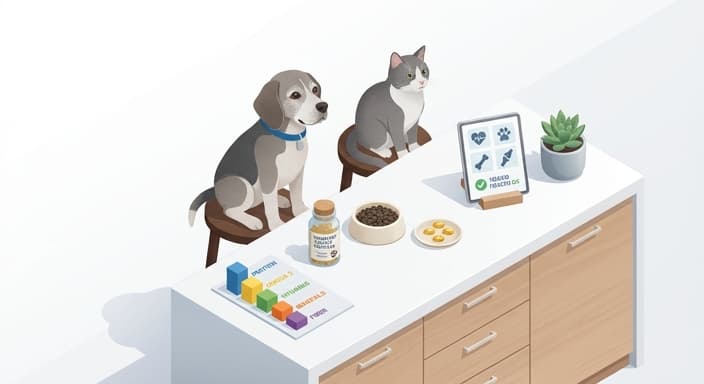
A baseline geriatric workup—blood panels, BUN, Creatinine, liver enzymes, and albumin—combined with body and muscle condition scoring guides diet decisions.
Tracking activity and calculating a precise Resting Energy Requirement allows for calorie-controlled, nutrient-dense plans rather than generic feeding guidelines.
Nutraceuticals, especially EPA and DHA from cold-water fish oils, support anti-inflammatory needs and joint health in seniors, complementing macronutrient targets.
The golden years of a pet’s life are not merely a time for slowing down; they are a profound period of physiological transition that demands a shift from "maintenance" to "precision" care. As a veterinarian consultant for MofuDaily, I see firsthand that the nutritional needs of a senior dog or cat are as unique as their individual medical histories, requiring a departure from one-size-fits-all kibble toward highly personalized, science-backed dietary strategies.
We are moving away from the outdated notion that senior pets simply need "less food" to avoid obesity, and toward a nuanced understanding of "metabolic optimization." Aging is a complex process characterized by changes in digestive efficiency, muscle mass maintenance, and the inflammatory markers that drive chronic diseases like arthritis and cognitive decline. By integrating clinical diagnostics—such as blood panels and body condition scoring—with personalized nutrition, we can empower pet parents to serve as the architects of their pets’ longevity, ensuring that every meal serves as a targeted intervention for health and vitality.
The Metabolic Shift: Why Senior Nutrition is Different
When a pet reaches their "senior" milestone—typically around age seven, depending on breed and size—their metabolism undergoes a quiet but significant transformation. The ability to digest and absorb nutrients often declines, and the body’s requirement for high-quality, bioavailable proteins becomes paramount. Many commercial senior diets are formulated with lower protein levels to protect kidney function in cases of diagnosed renal disease, but for the healthy senior, this can inadvertently lead to sarcopenia, the age-related loss of muscle mass.
Muscle is the "metabolic furnace" of the body. When a senior pet loses muscle mass, their resting metabolic rate drops, making them more prone to weight gain, which then puts excess pressure on aging joints. Personalized nutrition prioritizes high-quality, highly digestible proteins that provide the essential amino acids necessary to maintain lean muscle without overloading the filtration systems of the kidneys. We aren't just feeding a stomach; we are supporting a changing physiological system.
Decoding the Diagnostics: Building a Data-Driven Bowl
Before changing a pet’s diet, we must look under the hood. As your vet consultant, I cannot stress enough that "senior" is not a diagnosis—it is a life stage. A personalized plan begins with a baseline geriatric blood panel. We need to look at markers like BUN (Blood Urea Nitrogen) and Creatinine to assess renal health, liver enzyme levels, and albumin for protein status.
Beyond bloodwork, we utilize Body Condition Scoring (BCS) and Muscle Condition Scoring (MCS). A dog might be at an "ideal" weight on the scale, but if they have lost significant muscle mass along their spine and hindquarters, they are not healthy. When we combine these clinical findings with a pet's activity level—tracked via those smart wearables we love—we can calculate a precise Resting Energy Requirement (RER). This allows us to move away from the "back of the bag" feeding guidelines, which are often generalized, and move toward a calorie-controlled, nutrient-dense plan that supports long-term stability.

The Role of Nutraceuticals and Functional Ingredients
Personalized nutrition for seniors is about more than just macronutrients (protein, fat, and carbohydrates); it is about the "bioactive" components that can mitigate the wear and tear of time. Inflammation is the silent driver of most age-related diseases, including osteoarthritis, chronic kidney disease, and cognitive dysfunction syndrome (CDS).
For the senior pet, we look to incorporate specific omega-3 fatty acids—specifically EPA and DHA derived from cold-water fish oils. These are significantly more effective at reducing joint inflammation than the omega-3s found in plant sources like flaxseed. Additionally, we are increasingly incorporating antioxidants like Vitamin E, C, and L-carnitine, which support mitochondrial health. If your pet is showing signs of "sundowning" or disorientation, we may even explore medium-chain triglycerides (MCTs), which have shown promise in providing an alternative energy source for the aging brain, effectively "fueling" cognitive function.
Navigating Digestive Sensitivity and Hydration
As pets age, the gut microbiome often becomes less resilient. Seniors are more prone to intermittent constipation or sensitivities that didn't exist in their youth. Personalized nutrition often involves increasing soluble fiber intake to support regular bowel movements and nourishing the gut lining with prebiotics.
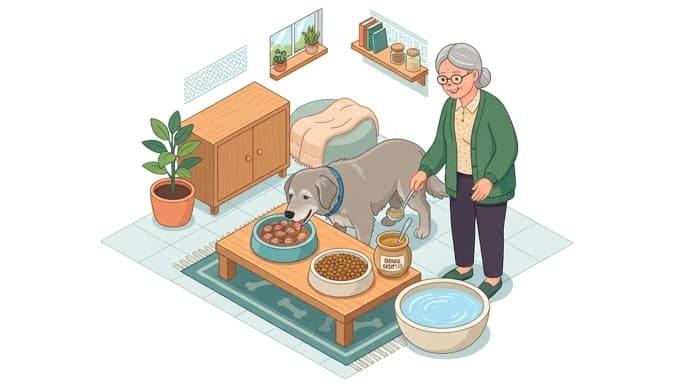
Hydration is another often-overlooked pillar of senior wellness. Cats, in particular, are notorious for having a low thirst drive, which becomes a significant issue as their kidneys lose the ability to concentrate urine efficiently. If your senior cat or dog is on a dry kibble diet, you might be fighting a losing battle against sub-clinical dehydration. Transitioning to a combination of wet and dry food, or adding bone broth (onion/garlic-free) to meals, can drastically improve systemic hydration. This simple shift can take the pressure off the kidneys and improve the skin and coat health that often fades as pets age.
The Partnership Between Owner and Professional
The most critical component of a personalized nutrition plan is the feedback loop. Your pet cannot tell you if a new diet is making their joints feel better or their digestion smoother, but their behavior will. As a pet parent, you are the primary observer. I encourage my clients to maintain a "Senior Wellness Journal." Track their meal completion time, the consistency of their stool, their energy levels after eating, and any changes in their gait or alertness.
When you bring this data to your veterinarian, we can make micro-adjustments. Perhaps we increase the protein slightly to combat muscle loss, or we switch to a lower-phosphorus formula to support early-stage kidney changes. This is not a "set it and forget it" process. It is a dynamic, evolving conversation that changes as your pet’s needs change. By viewing nutrition as a medical intervention rather than just a daily chore, you are actively extending the quality of your pet's life.
Empathy-Led Longevity
We must remember that for our pets, food is often their greatest source of daily joy. A personalized nutrition plan should never feel like a punishment or a deprivation diet. The goal is to find that "sweet spot" where the dietary profile meets their clinical requirements while still providing the sensory pleasure of a delicious meal.
Whether it’s a gentle warm-up of their wet food to release aromas for a pet with a fading sense of smell, or the addition of a joint-supporting topper that they absolutely love, the human-animal bond is strengthened through these acts of care. By taking a proactive, personalized approach to your senior pet’s diet, you are doing more than just managing their health; you are honoring the long, loyal life they have given you. Remember, the best nutrition plan is the one that is sustainable for your lifestyle and supportive of your pet's unique, aging body. Keep observing, keep tracking, and most importantly, keep cherishing these precious golden years together.
Common Questions
🤔
Frequently Asked Questions
What does precision nutrition mean for a senior pet?▼
Precision nutrition means tailoring diet to a pet’s unique physiology, medical history, and current health markers rather than feeding a one-size-fits-all senior formula. It relies on diagnostics and functional ingredients to support muscle, joints, brain function, and overall vitality. The goal is to turn each meal into a targeted intervention that slows decline and supports longevity.
How do I start a personalized plan for my senior dog or cat?▼
Begin with a baseline geriatric blood panel to assess kidney and liver health and protein status. Use Body Condition Scoring and Muscle Condition Scoring alongside activity data to compute a precise Resting Energy Requirement. Then work with your veterinarian to select a high-quality, highly digestible protein source and a calorie-controlled feeding plan that fits your pet’s life stage and medical history.
What role do nutraceuticals play in senior nutrition?▼
Nutraceuticals provide bioactive compounds that can modulate inflammation and support organ health. For most seniors, EPA and DHA from cold-water fish oils are preferred for reducing joint inflammation and supporting cognitive function, though plant-based omega-3s are less effective. These ingredients should be used to complement macro-nutrient targets and under veterinary guidance, especially if kidney disease is present.
How should I monitor progress and adjust the plan over time?▼
Regularly reassess body and muscle condition and track energy, activity, and weight trends. Periodic recheck of bloodwork helps ensure kidney and liver function remain stable as the diet changes. Use these data, along with owner observations and wearables, to fine-tune protein quality, energy density, and portion sizes so the plan remains aligned with aging needs.